
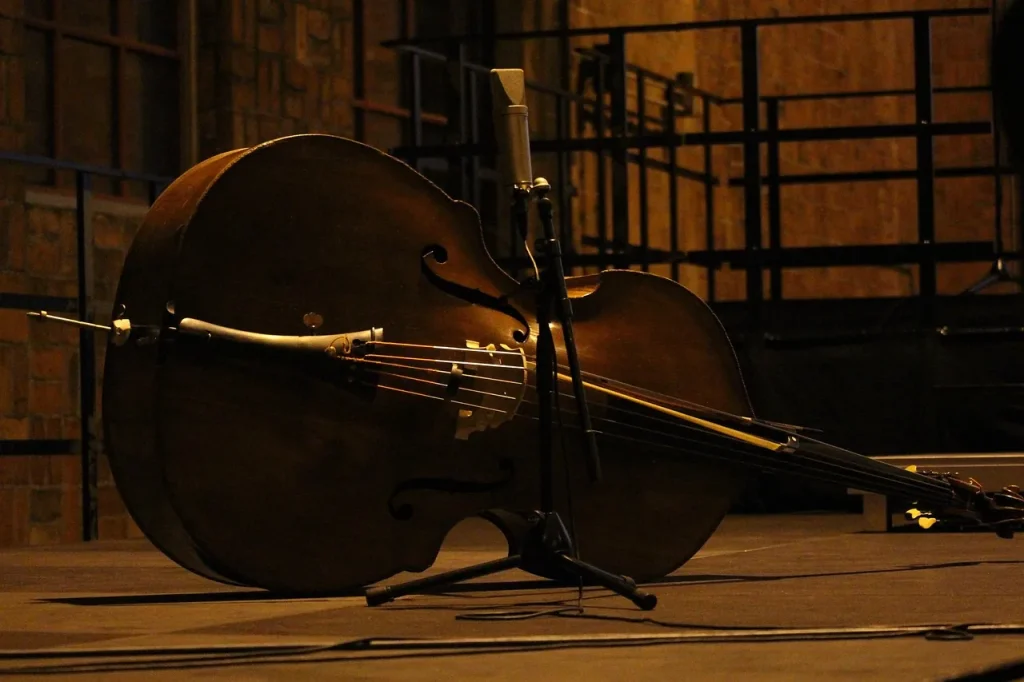
Opera is an artistic world where music and theater come together harmoniously to create an exceptional live performance. This art form combines the power of music with the magic of stage direction, transporting audiences into a world of emotion and beauty. The Paris Opera is renowned worldwide for its grand productions and talented opera singers. Whether it is a classical opera or a ballet, every performance is carefully prepared to captivate the audience and offer an unforgettable experience.
Opera is much more than a musical performance. It brings together sublime voices, a majestic orchestra and sumptuous sets. Every detail is meticulously crafted to transport audiences to another world, ruled by passion and emotion. Stage direction is essential to bringing the story to life and conveying the characters’ emotions. It is a true artistic undertaking, in which every gesture and expression helps create a unique theatrical experience.
Opera is an art form that celebrates the beauty of music and the power of theater. This live performance transports audiences into a world of magic and emotion. Whether you love classical music or are simply curious to discover this art form, opera offers a unique and captivating experience. Attend an opera in Paris and let the splendor of the performance enchant you. Enter a world where music and theater join to tell extraordinary stories.
The origins of opera
The first performance of Claudio Monteverdi’s L’Orfeo in 1607 is often considered the birth of Western opera. However, opera was not entirely new at the time. Monteverdi brilliantly brought together the popular musical forms of his era to create a grand lyrical spectacle.
Monteverdi broke new ground by using music and theater to express the characters’ emotions, evoke settings and develop the plot. Before him, similar performances combining music and theater existed, including medieval mystery and miracle plays.
The creation of L’Orfeo was a success and paved the way for many other operas that shaped music history. Opera originated in Italy, more precisely in Mantua, and quickly became popular throughout Europe, especially among the Italian aristocracy, which supported and financed these grand productions.
| Composer | Opera | Year |
|---|---|---|
| Claudio Monteverdi | Orfeo | 1607 |
“Monteverdi’s L’Orfeo paved the way for a new kind of performance in which music and theater meet harmoniously, captivating audiences and creating a unique artistic experience.” — Music critic
The blend of music and theater in Monteverdi’s L’Orfeo
In Monteverdi’s L’Orfeo, each role is designed for a particular voice type. Composers of the period wrote musical parts suited to singers’ vocal characteristics. For example, Orfeo is often performed by a high-voiced tenor, while Euridice is sung by a soprano and Pluto by a bass.
La Musica, a key character in L’Orfeo, embodies the power of operatic music. At the beginning of the work, she sings of the virtues of music and sets the tone for the opera. Originally, La Musica was performed by a high-voiced man, a castrato. Over time, however, the role evolved and is now generally performed by a soprano.
“La Musica is an icon of opera, representing the magical fusion of music and theater. Her enchanting song opens the door to a world where emotions find expression through magnificent melodies.” — Quotation from a renowned music critic
Monteverdi’s L’Orfeo is a remarkable example of music and theater working together in opera. Its vocal compositions accompany the action onstage and intensify the characters’ emotions. Stage direction uses movement, sets and costumes to bring the story vividly to life. This harmonious union of music and theater makes L’Orfeo an unforgettable artistic experience.
| Role | Voice type |
|---|---|
| Orfeo | Tenor |
| Euridice | Soprano |
| Pluto | Bass |
| La Musica | Soprano (formerly castrato) |
Opera after Monteverdi
After the first performance of Claudio Monteverdi’s L’Orfeo in 1607, opera continued to evolve and develop. One of the most important events in its history took place in Venice in 1637, when the first public opera house, the Teatro San Cassiano, opened. This marked the beginning of opera as we know it today, with performances accessible to a wider audience.
During this period, Baroque music played an important part in opera’s development. Many composers, including Gluck and Meyerbeer, introduced innovations to French opera by incorporating dramatic and expressive elements into their compositions. Meanwhile, operetta, a light and comic genre, became popular thanks to composers such as Offenbach.
Italian opera remained highly influential after Monteverdi. Many composers from other countries, particularly France, traveled to Italy to study and draw inspiration from Italian opera. This influence shaped the development of French opera and helped give it a unique identity.
French and Italian opera
French and Italian opera are two distinct traditions that coexisted for many years. French opera emphasized poetry, dance and sumptuous sets, while Italian opera favored vocal virtuosity and melodic music. This difference in style is reflected in the works of each country’s composers.
For example, the French composer Jean-Baptiste Lully helped establish French opera with works such as “Armide” and “Atys.” His compositions are characterized by a grand style, spectacular dances and elaborate staging. Italian composers such as Vivaldi and Rossini, by contrast, wrote dynamic and energetic operas that showcased singers’ virtuosity.
| French composer | Italian composer |
|---|---|
| Jean-Baptiste Lully | Antonio Vivaldi |
| Jean-Philippe Rameau | Gioachino Rossini |
| Christoph Willibald Gluck | Giuseppe Verdi |
“French and Italian opera each have their own distinctive characteristics. Both traditions, however, have contributed significantly to the evolution of opera as a whole. Their coexistence and mutual influence have enriched this art form and allowed new styles and genres to emerge.” — Music expert
The role of theater in opéra-comique
As its name suggests, the Opéra-Comique is a theater where the literary work and the music are equally important. It is a place where the stage director and conductor work closely together to offer the audience member a complete theatrical experience. Theater plays a central role in bringing out the sensitivity and theatrical power of opéra-comique.
Contrary to a common assumption, stage directors must help audiences hear the music of the language, while conductors must make the work’s theatrical power tangible. Opéra-comique finds its essence in this meeting of music and theater.
“Opéra-comique is an art form that unites music and theater in a unique way. It is an experience that touches both the emotions and the intellect of the audience member, transporting them to a world where the beauty of music meets the power of theater.” — A renowned opera critic
Opéras-comiques are often adaptations of existing plays, in which music reinforces and intensifies the emotion of the text. They rely on a subtle interplay between literary writing and musical composition. Theater gives words physical presence, making them vivid and captivating. Stage directors can thus create visual worlds that complement the music and add another dimension to opéra-comique.
| Benefits of theater’s role in opéra-comique | Drawbacks of theater’s role in opéra-comique |
|---|---|
| Highlights the sensitivity of the works | Can sometimes overshadow the music |
| Gives words physical presence | Can sometimes distract the audience member |
| Creates visual worlds | Can sometimes influence how the work is understood |
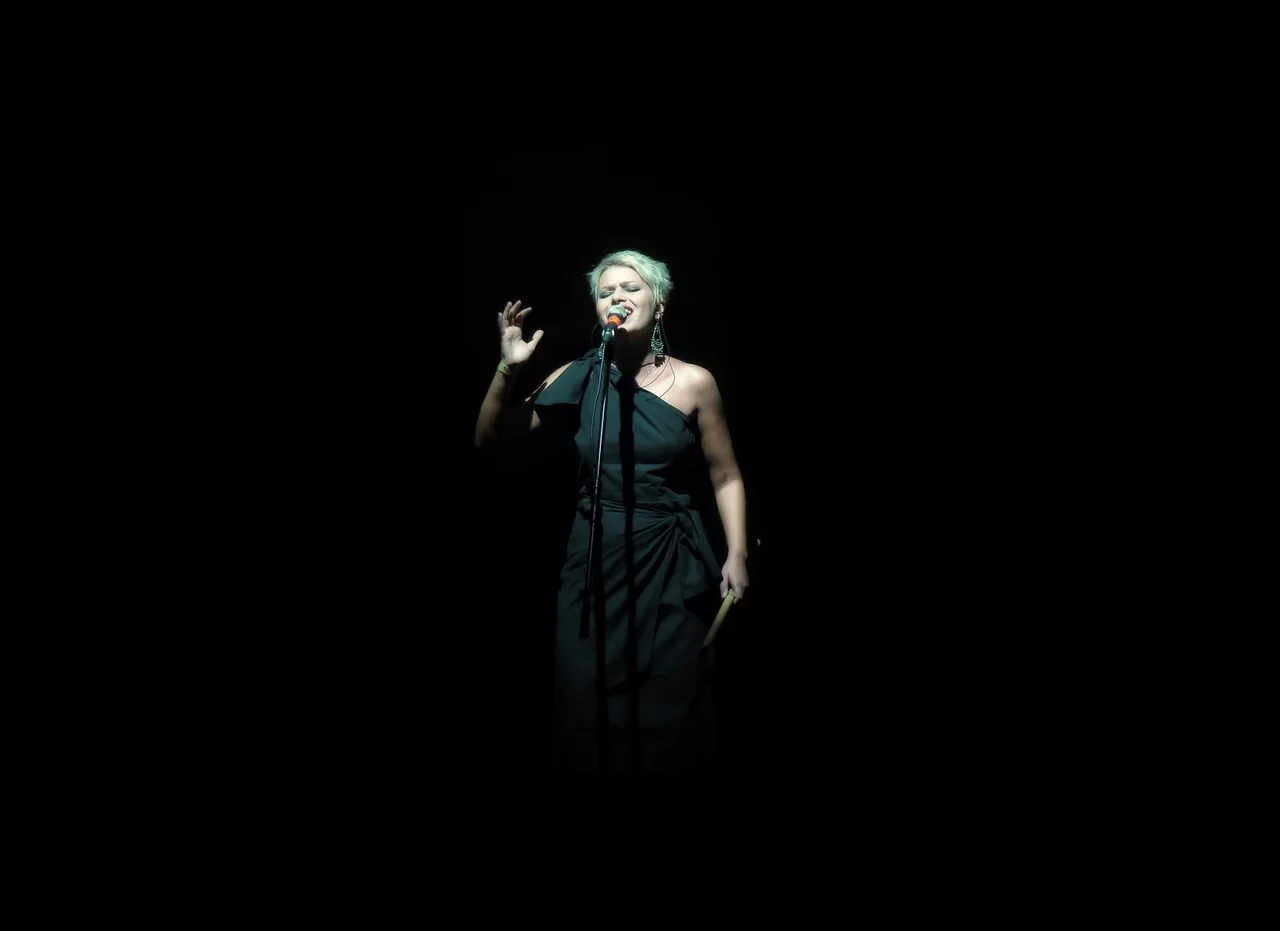
The Opéra-Comique is a place where the power of theater blends with the beauty of music. It offers a unique experience for the audience, transporting people to a world where sensitivity and theatrical power unite to tell moving stories. Opéra-comique continues to play an essential role in the world of opera, offering magnificent, captivating entertainment to everyone who loves music and theater.
The importance of the French language at the Opéra-Comique
The Opéra-Comique takes pride in the French language and its identity. French opera has a long history, marked by many works created in French over the centuries. Composers such as Lully, Gluck, Meyerbeer and Offenbach have all contributed to the richness of French music.
The French language played an important role in the development and popularity of opéra-comique. French composers used it to create works reflecting the country’s history and culture. They also adapted French literary works, adding another dimension to the music and lyrics.
The Opéra-Comique continues to program works in French to preserve this identity and celebrate the cultural heritage of French music. This also lets audiences fully appreciate the beauty and expressiveness of sung French.
“French music has a unique richness and sensitivity that find expression through opéra-comique. It is a real source of pride to present these works and introduce them to the public.” — Louis Langrée, general director of the Opéra-Comique
Table: Famous French composers of the Opéra-Comique
| Composer | Period | Works |
|---|---|---|
| Lully | 17th century | Armide, Atys, Roland |
| Gluck | 18th century | Orfeo ed Euridice, Iphigénie en Tauride |
| Meyerbeer | 19th century | Les Huguenots, Le Prophète |
| Offenbach | 19th century | Les Contes d’Hoffmann, La Belle Hélène |
Louis Langrée’s first season at the Opéra-Comique
Louis Langrée, general director of the Théâtre national de l’Opéra-Comique, presents his first season, centered on the house’s character, the “Favart spirit.” For this season, Langrée has carefully chosen a varied repertoire that includes both major works from the repertoire and contemporary creations. The aim is to offer audiences a rich and varied theatrical experience.
The program will feature classics such as Bizet’s Carmen and Puccini’s La Bohème, alongside contemporary creations such as Hugues Dufourt’s Les Bienveillantes. This combination of works from the traditional repertoire and new creations will showcase the richness and diversity of opéra-comique.
In addition to programming, Louis Langrée places great importance on artistic mentorship. A new academy will therefore be established to train young artists. Through classes, workshops and practical placements, this academy will offer young singers, conductors and stage directors a unique experience. The aim is to pass on the knowledge and skills needed to succeed in the world of opéra-comique.
| General director | Season | Repertoire | New creations | Mentorship | Academy | Conductor |
|---|---|---|---|---|---|---|
| Louis Langrée | 2022-2023 | Classical and contemporary | Yes | Yes | Yes | Louis Langrée |
Louis Langrée’s first season at the Opéra-Comique: a new chapter for the institution
This first season marks the beginning of a new chapter for the Opéra-Comique. Under Louis Langrée’s direction, the institution will continue to explore the possibilities of opéra-comique, creating unique experiences for audiences and preparing a new generation of talented artists. The coming season promises to be exciting and captivating, with a contemporary approach that preserves the richness of the classical repertoire.
With his artistic vision and commitment to mentorship, Louis Langrée strives to help audiences understand and appreciate the true nature of opéra-comique. By highlighting the meeting of theater and music, he hopes to create powerful theatrical experiences that move and captivate audiences. This season marks the beginning of a promising era for the Opéra-Comique and for the future of opéra-comique more broadly.
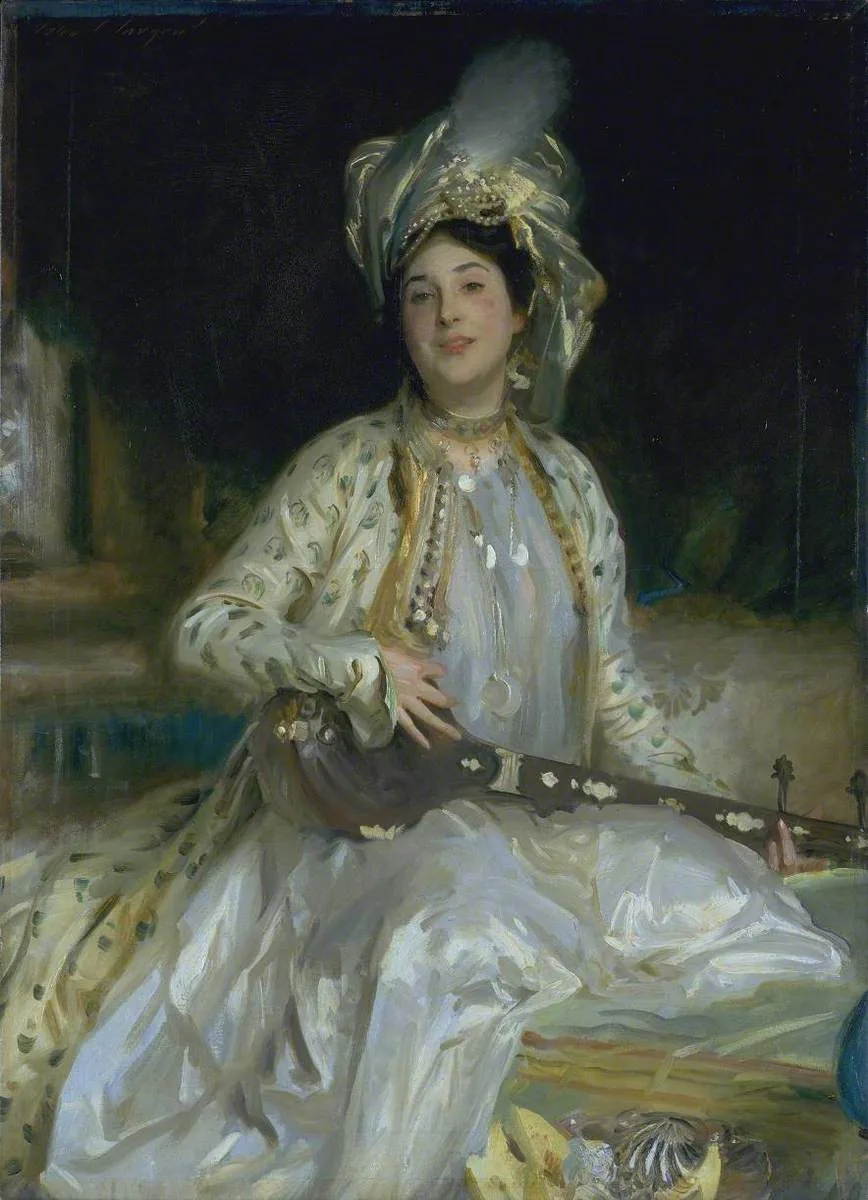
With varied programming, a new training academy and a bold artistic vision, Louis Langrée’s first season at the Opéra-Comique promises to make a lasting impression and celebrate the meeting of theater and music. Audiences will have the opportunity to discover classical and contemporary works, support talented young artists and experience intense, moving moments at the heart of opéra-comique.
Conclusion
Opera remains a unique world where music merges with theater to create exceptional harmony. This live performance continues to evolve and captivate audiences over time. The Opéra-Comique highlights this meeting by programming works that combine literature and music, in which stage direction and musical direction work together to offer a powerful theatrical experience.
Opéra-comique is a true jewel of the artistic world, offering magnificent, moving entertainment to everyone who loves music and theater. The meeting of music and theater creates a unique synergy that allows stories to be told expressively and moves audiences. The Opéra-Comique celebrates this harmony through varied programming that brings together the lyrical, dramatic and humorous aspects of opéra-comique.
Opéra-comique thus continues to play an essential role in cultural life, offering live performances that transport audiences to a world where music and theater meet harmoniously. The Opéra-Comique is a true institution, a place where artists and audiences can share intense emotions and unforgettable moments. Whether presenting major works from the repertoire or contemporary creations, opéra-comique offers live performances in which music and theater come together brilliantly.
FAQ
What is opera?
Opera is an art form that brings together music and theater to tell a story in an expressive and moving way.
When did Western opera originate?
Western opera is generally considered to have originated with the first performance of Claudio Monteverdi’s “L’Orfeo” in 1607.
What are the origins of opera?
Opera as we know it today grew from an innovative combination of the musical forms popular in Monteverdi’s time.
How are roles assigned in opera?
Each role in an opera is generally designed to be sung by a particular voice type.
How did opera evolve after Monteverdi?
After Monteverdi, opera continued to evolve through new innovations and the contributions of renowned composers.
What is the Opéra-Comique?
The Opéra-Comique is a theater where literary works and music are equally important and where the meeting of theater and music is celebrated.
Why is the French language important in opera?
French opera has a long history, and programming works in French helps celebrate that cultural identity and keep French music alive.
What defines Louis Langrée’s first season at the Opéra-Comique?
Louis Langrée’s first season at the Opéra-Comique centers on the house’s character, the “Favart spirit,” with varied programming and particular attention to artistic mentorship.
Sources
- https://www.rbo.org.uk/people/claudio-monteverdi
- https://www.operaamerica.org/industry-resources/2019/201906/world-opera-forum-2018-a-summary/world-opera-forum-an-introduction/
- https://www.lemonde.fr/en/culture/article/2023/04/01/louis-langree-the-opera-comique-comes-from-fairground-theater-which-is-its-strength_6021369_30.html