
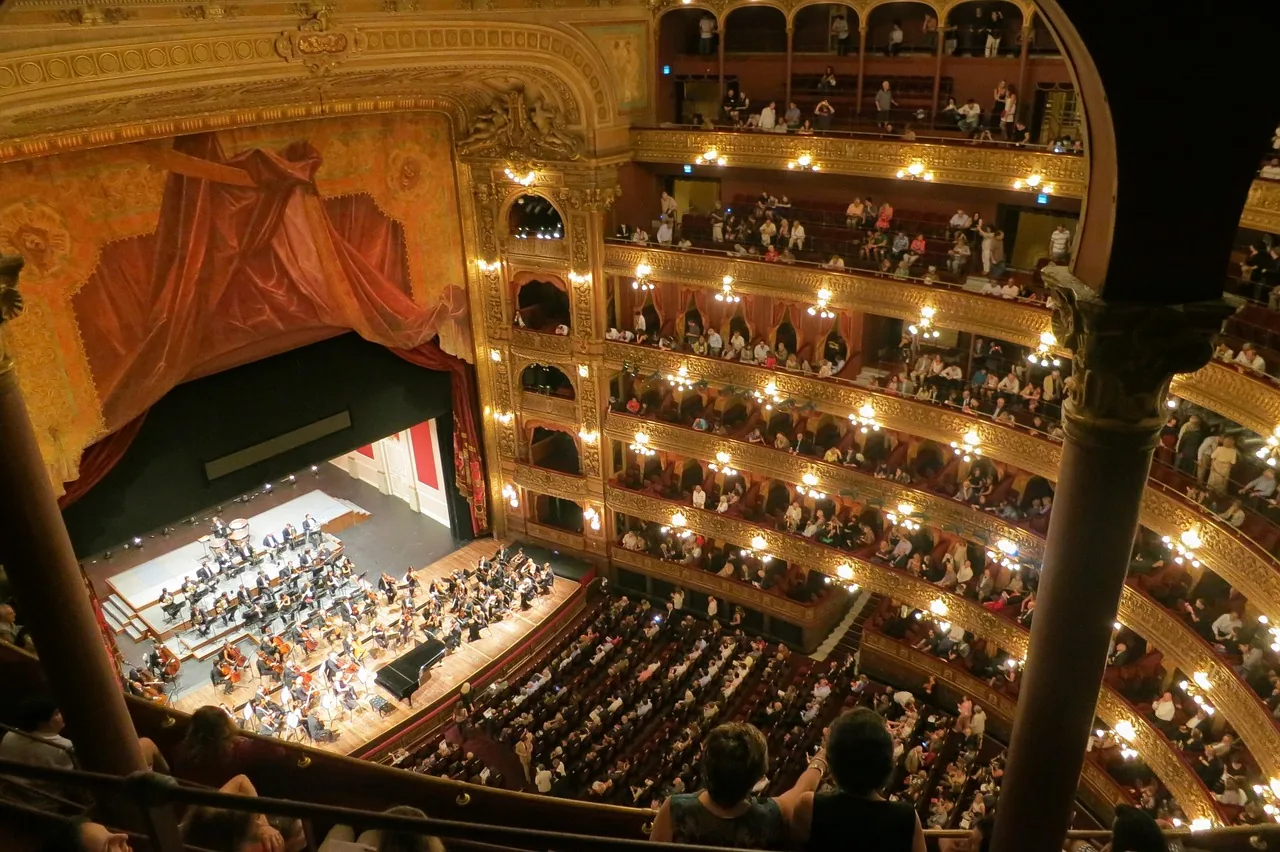
The meeting of the symphony orchestra and film music is fascinating. It enriches both cinema and classical music. These two worlds come together to create melodies that touch audiences’ hearts.
Works such as “Also sprach Zarathustra” by Richard Strauss take on a new dimension in film, lending it majestic grandeur. They show the importance of orchestration in creating emotionally charged atmospheres.
The meeting of the symphony orchestra and film music lets audiences rediscover the classical repertoire in a new light. Famous compositions, such as works by Chopin in “The Pianist,” have become part of cinematic heritage.
They heighten the emotional impact of stories while honoring the works that inspired them.
Introduction to symphonic music and film
Symphonic music and films share a long history. Since the silent-film era, film music has become a genre in its own right. Composers with classical backgrounds create music specifically for films.
Nearly 70% of soundtracks, such as those for Titanic and Star Wars, illustrate this trend. This figure highlights the importance of music in cinema.
Film music transforms our experience of cinema. It connects shots and stirs emotions. Composers such as Hans Zimmer and Alexandre Desplat continue to innovate in symphonic music.
From the 1960s to the 1990s, film music stood out for its diversity. The rise of digital technology in the 1990s brought even more styles. Music for films drew on varied influences, from theater to opera.
Here is a table showing the different types of film soundtracks:
| Type of soundtrack | Percentage |
|---|---|
| Original compositions created by composers | 70% |
| Popular artists | 15% |
| Compilations of existing pieces | 10% |
| Live concert recordings | 5% |
The role of the symphony orchestra in film music
Film music plays a crucial role in creating an immersive atmosphere. The symphony orchestra is central to this process and helps tell the story. Composers, especially those associated with Hollywood symphonic scoring, use it to convey powerful emotions.
Narrative and emotional function
Every note played by the symphony orchestra enriches a film’s story. For example, roaring brass heightens the tension of a scene, while strings bring intimacy to important moments.
This music turns images into distinctive emotional experiences. It lets audiences feel every moment of the film. Ratatouille concerts demonstrate the importance of this collaboration.
The evolution of orchestration techniques
Orchestration techniques have evolved over time, combining tradition and innovation. This development can be heard from early cinema through modern compositions.
Classical music continues to exert its influence, while new styles offer greater flexibility. The wealth of contemporary techniques sustains this tradition and highlights the importance of the symphony orchestra in cinema.
| Era | Notable composers | Musical characteristics |
|---|---|---|
| 1930–1940 | Max Steiner, Erich Wolfgang Korngold | Influence of the aesthetics of program music |
| Contemporary era | John Williams, Hans Zimmer | Modern and varied orchestration techniques |
Symphony orchestras and film: when classical music meets cinema
Classical music and cinema have come together to create distinctive moments that showcase the beauty of classical music and the art of filmmaking. The concert “The Morricone Duel” at the Copenhagen Concert Hall is one example.
The Danish National Symphony Orchestra, conducted by Sarah Hicks, performs works by Ennio Morricone and Nino Rota. Audiences hear pieces from westerns and gangster films. They can appreciate a variety of sounds, including those of ocarinas and jaw harps.
Iconic examples of musical fusion
Iconic compositions have been used in cinema. For example, “Also sprach Zarathustra” by Richard Strauss appears in “2001: A Space Odyssey.” “Ride of the Valkyries” plays a crucial role in “Apocalypse Now,” illustrating the impact of classical music.
These famous compositions enrich cinematic stories and captivate generations of viewers.
An analysis of famous compositions
Joe Hisaishi’s collaboration with Hayao Miyazaki shows the importance of original compositions. Hisaishi created unforgettable melodies for films such as “Princess Mononoke” and “Ponyo.” These melodies capture the essence of the characters and themes.
Zahia Ziouani presented a major concert at the Philharmonie de Paris. One hundred and twenty musicians, including young people from the suburbs, performed works there. Events such as the Verbier Music and Cinema Encounters show the importance of musical fusion in cinema.
The evocative power of classical music in cinema
Classical music has a distinctive evocative power. It deeply enriches the cinematic experience. Compositions such as those by Richard Strauss show how music can go beyond the image.
It creates another emotional dimension. For example, “Also sprach Zarathustra” by Richard Strauss lends philosophical depth to 2001: A Space Odyssey. The work transforms the relationship between sound and image.
Richard Strauss and “Also sprach Zarathustra”
Richard Strauss demonstrated the power of classical music in cinema. His work “Also sprach Zarathustra” symbolizes a cosmic, introspective journey. Every note evokes the grandeur of space and humanity’s search for meaning.
This striking piece embodies exploration and discovery. It underscores music’s crucial role in the cinematic experience.
Chopin and his impact in “The Pianist”
In The Pianist, the music of Chopin plays a central emotional role. His delicate melodies and poignant harmonies stir deep feelings. They express the protagonist’s resistance and despair.
The power of classical music comes to the fore: it evokes the human spirit in the face of adversity. Its use heightens the film’s emotional impact and makes the story more personal.
To learn more about the relationship between music and images in cinema, consult this educational resource.