
Guide objective: help you put together a microphone and amplifier setup that suits your needs, budget, and performance venue.
We cover familiar models such as the Shure 520DX “Green Bullet” and versatile microphones such as the SM57 and SM58. These choices reflect feedback from sound engineers, musicians, and performing harmonica players.
First, consider volume and venue: a bar, an outdoor stage, or a community hall. These constraints will largely determine your amplifier choice.
A practical approach: try equipment, borrow it, and compare. How you hold the microphone and cup your hand around it greatly affects the tone.
Prices range from affordable modern microphones to very expensive vintage pieces. For examples and discussion, see this practical reference.
The following sections present typical setups and real-world situations to help you choose.
Understand what you need today: venue, style, and budget
To choose well, start by defining where you play and the sound you want. This shapes every decision: a bar, an outdoor venue, and a community hall call for different volume levels and equipment.
Define your role: soloist, singer-harmonica player, or band member. If the band has no PA system, plan for a portable solution. Your answers will determine the type of amplifier and vocal microphone to consider.
Set a realistic budget. As used-equipment benchmarks, allow around €300–400 for a Roland amplifier and about €100 for a Shure Beta58. Take time to try equipment before buying.
“Borrow, try, compare: it is the best way to avoid a rushed purchase.”
| Key question | Impact | Recommended action |
|---|---|---|
| Performance venue | Volume and sound coverage | Choose a suitable amplifier or PA system |
| Solo or band role | Number of microphones needed | Plan for a versatile vocal microphone or a separate microphone |
| Budget | Quality and used options | Look for used equipment and test it |
Choosing a harmonica microphone: from the Green Bullet to a vocal mic
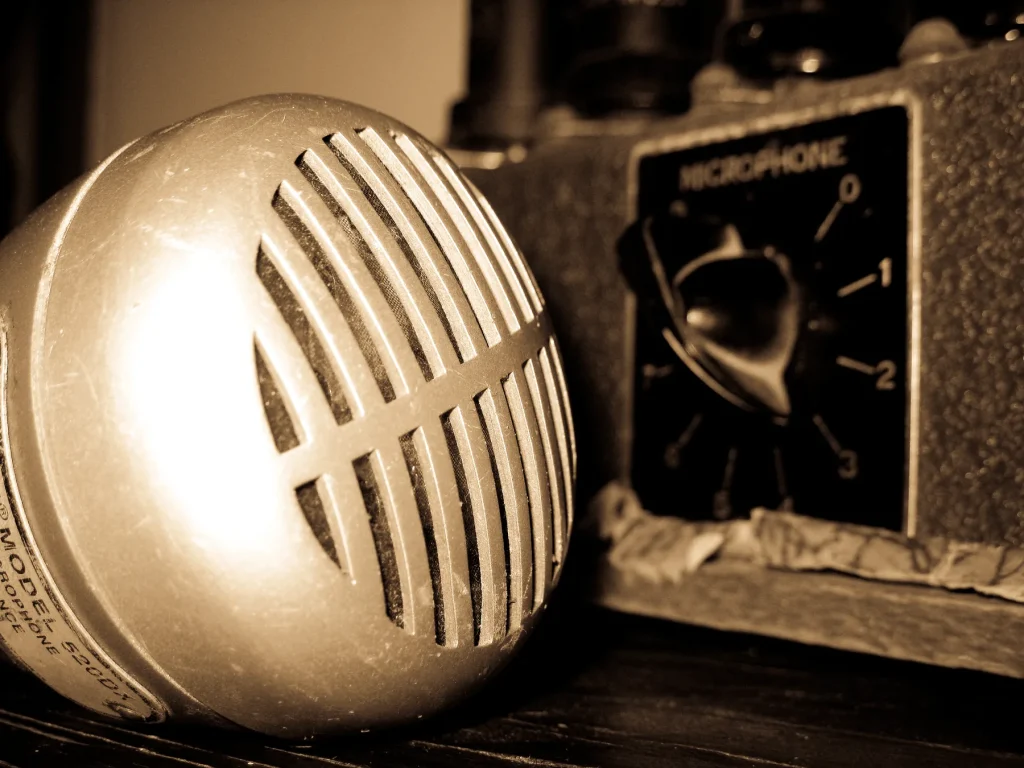
Depending on your hand position and playing style, certain models remain popular choices. The 520DX “Green Bullet” is prized because it is designed to be cupped in the hand and immediately produces a distinctive tone.

Shure 520DX Green Bullet
Advantages: a shape designed for handheld use, good feedback resistance, and, on some versions, a built-in volume control. It is ideal if you hold the microphone while playing and want a rough-edged rock sound.
SM57, SM58, or Beta58A
The SM57 is valued for its handling and versatility on stage. The SM58 and Beta58A excel for vocals while remaining useful to harmonica players.
Holding the microphone, preventing feedback, and adjusting settings
How you hold the microphone changes the sound as much as the model does. Form a tight cup with your hands, adjust its opening, and test the volume setting.
Chromatic, diatonic, and vocals: which microphone suits your playing?
For diatonic playing close to the capsule, a handheld microphone produces a rock tone. For chromatic harmonica, when your right hand is occupied, choose a vocal microphone on a stand. If you sing and play harmonica, a versatile vocal microphone simplifies your stage setup.
| Use | Recommended model | Main reason |
|---|---|---|
| Diatonic harmonica with a handheld microphone | Shure 520DX | Distinctive tone, easy to cup, good feedback resistance |
| Versatile stage use | SM57 | Easy to hold and versatile for instruments |
| Singing and speaking | SM58 or Beta58A | Balanced vocal sound, useful in rehearsals and on stage |
“Try the SM57, SM58, and 520DX in your performance setting to find the right balance between articulation and tone.”
Amplifier, PA, or acoustic amp: what works with your harmonica microphone?
Choosing a suitable amplifier can dramatically change your playing sound and how well it carries on stage.
Electric guitar amplifier: ideal if you want a colored tone and musical compression. A Sennheiser E609 placed in front of the speaker is a practical option: it can hang from its cable, avoids the need for a stand, and captures clean and overdriven sounds accurately.
Acoustic amplifier or compact PA: these offer a more neutral response and often include reverb. They suit traditional and folk music when you want to preserve the harmonica’s natural attack without coloring the sound too much.
Used equipment and budget: used Roland amplifiers can be found for around €300–400. Prices vary more for new or vintage gear: always test at stage volume and check the knobs, connections, and unwanted noise.
- Signal chain: check impedance and levels between your microphone and PA system.
- For a colored sound, choose a guitar amplifier and place an E609 in front of its speaker.
- For a neutral sound, choose a compact PA or acoustic amplifier.
“Try both setups—the E609 in front of a speaker and the acoustic amplifier—in your own playing environment before deciding.”
Harmonica microphone and amplifier: an effective blues setup
For a warm, controlled sound, many harmonica players favor a handheld microphone paired with a tube amplifier.
Classic combination
Handheld Shure 520DX and tube amplifier
The 520DX remains a standard choice for playing with your hand cupped around the harmonica and microphone. Its construction helps limit feedback, and some versions include a volume control.
Pair it with a tube amplifier, boost the midrange slightly, and keep an ear on the treble. Set the volume to control feedback on stage.

Versatile option
A handheld SM57 plugged into a well-adjusted guitar amplifier produces a blues tone without going overboard.
This is a practical option when your repertoire mixes rock and traditional music. It means carrying less equipment and works easily with a used amplifier.
Subtle effects and starting settings
Choose subtle effects: a short reverb and, if needed, a little delay. Avoid heavy distortion if you play a varied repertoire.
- Clarity: start with moderate volume in clubs.
- Position: adjust the cup formed by your hands and move away from the amplifier if feedback starts.
- Simple signal chain: less equipment makes adjustments between songs easier.
“The best setup is one you can control in your hands and rely on from one stage to the next.”
For advice on choosing a microphone, see this useful guide.
Real-world setups: bars, outdoor venues, community halls, home, and folk or rock duos
Each setting calls for a practical solution: light equipment in a pub, more power outdoors. Here are examples and quick tips for choosing a suitable microphone and amplifier.
Small and medium stages, and pubs
Choose a light setup: a handheld microphone or one on a stand, connected to a small PA. Setup should be quick.
- Allow enough headroom to cover the room without distortion.
- Write down useful volume settings for each venue.

Home, rehearsals, and traditional bands
At home, a MiniVox 3 G2-type mini amplifier helps you learn how your equipment responds at low volume.
For a traditional band without a PA, look for a neutral sound with a little reverb. Borrow equipment or buy it used to keep costs down.
Folk or rock duo
Aim for an articulate sound: a versatile microphone and a clean-sounding amplifier leave room for vocals and guitar.
- Keep the cabling simple.
- Record settings that work across different venues.
“Borrow and test equipment: it is often the best way to avoid buying the wrong gear.”
Action plan: make the right choices at the right price and time
A sound decision starts with a clear list of practical needs and the tone you want. Answer the practical questions before buying.

Define where you play and the sound you want
Step 1: list your venues, volume needs, and desired tone. Use this list to guide your choices and avoid impulse purchases.
Try before investing: borrow, compare, and test under real conditions
Step 2: arrange to try the SM57, SM58, Beta58A, and 520DX, preferably with your band.
- Step 3: set a budget and target prices—about €100 for a Beta58 and €300–400 for a used Roland amplifier.
- Step 4: take time to try the equipment and write down your impressions.
- Step 5: decide what to buy first—microphone, then amplifier, then effects—to limit your risk.
- Step 6: check compatibility and accessories before the final purchase.
| Step | Goal | Price guide |
|---|---|---|
| Requirements list | Define venues and sound | — |
| Trials | Compare models under real conditions | Beta58: about €100 |
| Final purchase | Check compatibility and accessories | Used amplifier: €300–400 |
“Patience, borrowing, and comparing remain the best strategy.”
Conclusion
In short, the goal is to find the right match between your playing, equipment, and venue. The 520DX remains a strong choice for handheld playing; the SM57, SM58, and Beta58A offer useful versatility in a wider range of situations.
The E609 is practical for miking a guitar amplifier speaker. For traditional or folk music, choose a neutral response with a touch of reverb.
Practical advice: test equipment under real conditions, borrow gear from local musicians, and write down your impressions. Find the right balance between comfort, stage control, and consistent sound coverage.
Finally, remember the instruments, cables, and cases: good organization makes rehearsals and concerts easier. Be prepared to repeat your trials; finding what works often takes more than one attempt.