

The piano is a stringed instrument invented in Florence in the early eighteenth century by Bartolomeo Cristofori. It developed from earlier keyboard instruments, including the clavichord and hammered dulcimer. The piano is widely used in Western art music and often features in composers’ works. It is also used in other musical genres, including jazz, blues and ragtime.
In art music, many famous works were written specifically for the piano or arranged for it. The piano accompanies singers, features in chamber music and takes the solo role in piano concertos. The classical piano repertoire developed from the late Baroque period and reached maturity with composers such as Beethoven, Chopin, Liszt and Brahms.
The evolution of the piano in classical music
The piano has a fascinating history in classical music. Invented by Bartolomeo Cristofori in the eighteenth century, it was initially called the pianoforte because it could produce a range of dynamics. Many classical composers were also pianists and used the instrument to create their best-known works.
Over time, piano technique developed, allowing pianists to push the limits of their virtuosity. Composers such as Beethoven, Chopin, Liszt and Brahms explored the piano’s expressive possibilities in complex and compelling works. Piano technique also evolved through staccato and legato playing and the use of pedals to sustain notes. Musicians could thus choose from a broad range of classical pianos.
The piano brought a new dimension to classical music by allowing composers to explore new sounds and emotions. Its use in solo works, concertos and chamber music enriched the classical repertoire and gave pianists a wide variety of pieces to perform.
Famous composers of classical piano music
Many classical composers made their mark on music history through their piano works. Frédéric Chopin, known for his nocturnes and études, is considered one of the greatest composers for piano. Franz Liszt pushed the instrument’s technical limits with virtuoso pieces such as the Transcendental Études. Other composers, including Mozart, Beethoven, Schumann and Rachmaninoff, contributed varied and compelling works to the classical piano repertoire.
| Composer | Famous piano works |
|---|---|
| Frédéric Chopin | Nocturnes, Preludes, Études |
| Franz Liszt | Transcendental Études, Hungarian Rhapsodies |
| Wolfgang Amadeus Mozart | Piano sonatas, piano concertos |
| Ludwig van Beethoven | Piano sonatas, piano concertos |
| Robert Schumann | Carnaval, Fantasiestücke |
| Sergei Rachmaninoff | Preludes, piano concertos |
Through these composers and many others, the piano underwent a remarkable technical and creative evolution in classical music. It remains central to the classical repertoire, captivating listeners with its rich sound and ability to express a wide range of emotions.
The piano repertoire in classical music
The classical piano repertoire is vast and varied. It offers pianists many works to explore and perform. Numerous famous compositions were written specifically for the piano, while others were arranged for it. Classical piano scores allow pianists to learn and play these celebrated works.
Classical piano scores are available in many editions, sometimes offering different interpretations or versions of a work. Pianists must choose the version that best suits their musical vision. Interpretation plays a crucial role in performance, allowing pianists to communicate their emotions and musical style to an audience.
The tradition of classical piano performance gives pianists considerable freedom to express their musical sensitivity while respecting the composer’s original intentions. Each pianist brings a personal interpretation to a work, creating a distinctive and engaging experience for listeners.
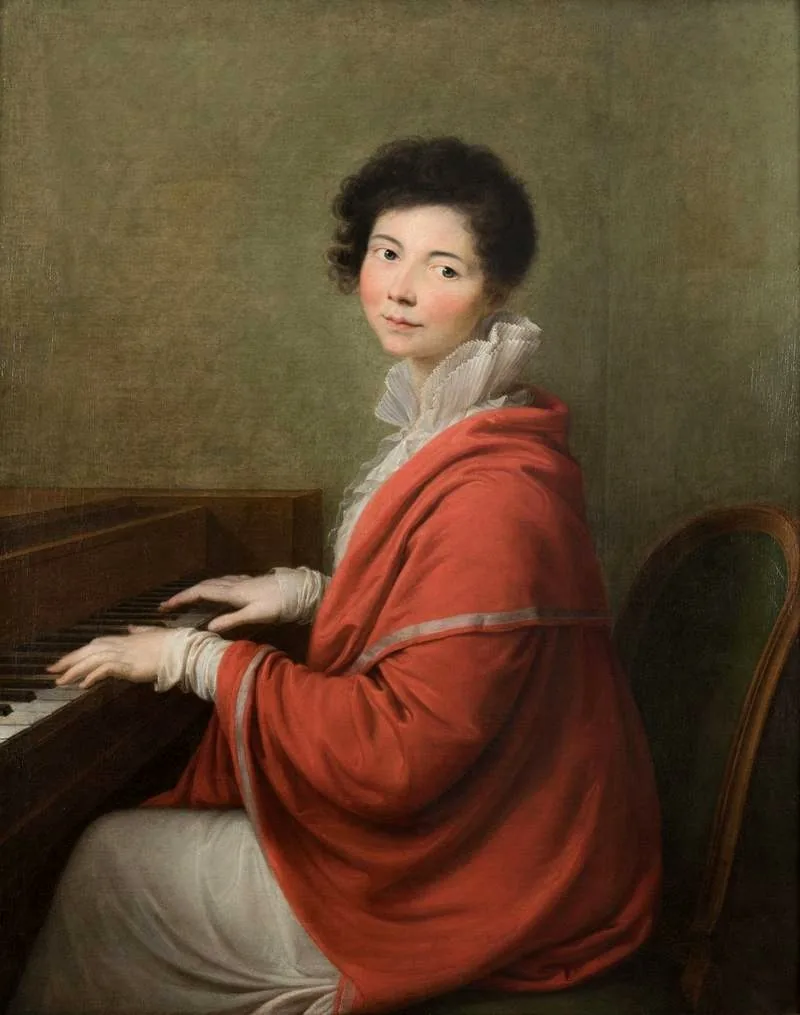
Great pianists in the history of classical music
Classical music has seen many exceptional pianists who shaped the instrument’s history. Their talent and virtuosity helped develop the piano repertoire and left a lasting mark on musical performance and expression.
Among these great pianists is Frédéric Chopin, known for his Romantic compositions and refined piano technique. Chopin was renowned for expressing intense emotions through music. His works, including his celebrated Nocturnes and Ballades, continue to captivate listeners around the world.
Franz Liszt is another legendary pianist, known for his exceptional virtuosity and breathtaking performances. He transformed piano technique and composed complex, demanding works, including his Transcendental Études and Sonata in B minor, that push the limits of piano virtuosity.
“Music is more than a universal language; it is a voice of the human soul. The piano allows me to express it fully.” — Clara Schumann
Clara Schumann, one of the first women to achieve renown as a virtuoso pianist, also shaped the history of classical music. She was an accomplished pianist and a gifted composer. Her contributions to piano music paved the way for many pianists and composers who followed.
These great pianists, along with others such as Sergei Rachmaninoff, Arthur Rubinstein and Vladimir Horowitz, left an enduring musical legacy and inspired generations of pianists worldwide.
| Name | Period | Contributions |
|---|---|---|
| Frédéric Chopin | Romantic era | Romantic compositions, refined technique |
| Franz Liszt | Romantic era | Exceptional virtuosity, complex compositions |
| Clara Schumann | Romantic era | Virtuoso pianist, composer |
| Sergei Rachmaninoff | Romantic and modern eras | Lyrical compositions, virtuosity |
| Arthur Rubinstein | Modern era | Brilliant interpretation, extensive repertoire |
| Vladimir Horowitz | Modern era | Virtuoso interpretation, captivating performances |
These pianists helped develop the repertoire and piano technique. They also inspired new generations of musicians to explore the piano’s possibilities in classical music.
The piano’s importance across musical genres
The piano is a versatile instrument with an important place in many musical genres. Although mainly associated with Western art music, it also features in jazz, blues, rock and pop.
In Western art music, the piano often accompanies singers and features in chamber music. It can produce a wide range of sounds, making it ideal for expressing the emotions and nuances of classical music. Composers have written many piano works that explore the instrument’s versatility.
The piano is also important in other musical genres. In jazz, for example, it often serves as both a solo instrument and a source of harmonic support. Jazz pianists develop techniques such as jazz chord voicings and improvisation, adding richness and depth to the music.
Table: how the piano is used in different musical genres
| Musical genre | Use of the piano |
|---|---|
| Western art music | Vocal accompaniment, chamber music, solo performance |
| Jazz | Solo instrument, harmonic support, improvisation |
| Blues | Accompaniment, solo performance, improvisation |
| Rock | Accompaniment, musical arrangement |
| Pop | Accompaniment, musical arrangement |
The piano has made an important contribution to many musical genres. Its rich tone and versatility make it one of the world’s most popular and beloved instruments.
Many renowned artists have used the piano in their compositions and performances, contributing to music’s evolution and diversity. Whether in Beethoven’s sonatas, jazz improvisations or pop ballads, the piano continues to captivate listeners and add an expressive dimension to contemporary music.
Forms used in classical piano music
Different musical forms have been used in classical piano music over the centuries. Each period introduced new forms and styles that reflected artistic developments and composers’ preferences.
The Baroque era
In the Baroque era, musical forms were based mainly on dances and counterpoint. The suite, fugue and toccata were especially popular. A suite brought different dances together in a flexible sequence of movements. A fugue highlighted polyphony and the complexity of counterpoint. The virtuoso character of a toccata showcased a keyboard player’s technical skill.
The Classical era
In the Classical era, new musical forms emerged, including the sonata and fantasia. The sonata was widely used and generally had three contrasting movements: a fast movement, a slow movement and a fast finale. The fantasia gave composers greater freedom of expression, allowing them to explore new ideas and create varied moods.
The Romantic era
The Romantic era saw the emergence of freer, more expressive forms. Genres such as the nocturne, impromptu and ballade gave composers more freedom to tell stories and express intense emotions through music. These forms were often used for solo pieces that showcased pianists’ virtuosity.
Overall, the forms used in classical piano music evolved over time to suit the artistic tastes and trends of each era. Each form contributed to the piano repertoire and gave composers and performers a rich, varied range of musical expression.
Conclusion
The piano has played an essential role in the evolution of classical music. Invented by Bartolomeo Cristofori in the eighteenth century, this stringed instrument underwent remarkable changes over time. It found a place in Western art music and in other genres, including jazz, blues, rock and pop.
The classical piano repertoire is vast and varied, offering pianists many pieces to learn and perform. Numerous famous works were composed specifically for the piano, while others were arranged for it. Available classical piano scores allow pianists to develop their own interpretations and express musical emotion.
Great pianists have shaped classical music history through their talent and performances. Frédéric Chopin, Franz Liszt, Clara Schumann, Sergei Rachmaninoff, Arthur Rubinstein and Vladimir Horowitz remain prominent figures in music history. Their virtuosity and expressiveness have inspired listeners and musicians over time.
In conclusion, the piano remains central to classical music. Listeners and musicians around the world continue to value it. Its sound and versatility make it a richly expressive instrument capable of evoking distinctive emotions and sensations.
FAQ
What is a piano?
The piano is a stringed instrument invented in Florence in the early eighteenth century by Bartolomeo Cristofori.
How did the piano evolve in classical music?
The piano developed from earlier keyboard instruments in the eighteenth century. Bartolomeo Cristofori invented it, and it was initially called the pianoforte.
What is the classical piano repertoire?
The classical piano repertoire is vast and varied. It includes many famous works composed specifically for the piano, as well as arrangements of works originally written for other instruments.
Why is the piano important in classical music?
The piano has played an essential role in the evolution of classical music. It is used across different musical genres and has enabled composers to create celebrated works.
Who are some great pianists in classical music history?
Great pianists include Frédéric Chopin, Franz Liszt, Clara Schumann, Sergei Rachmaninoff, Arthur Rubinstein and Vladimir Horowitz.
Which musical genres use the piano?
The piano is widely used in Western art music and in other genres such as jazz, blues, rock and pop.
Which forms are used in classical piano music?
In the Baroque era, forms were based mainly on dances and counterpoint, including the suite, fugue and toccata. Forms such as the sonata and fantasia emerged in the Classical era. Freer, more expressive forms developed in the Romantic era, including the nocturne, impromptu and ballade.