What defines classical music?
Classical music is a complex and diverse genre, characterized by several distinctive elements that give it its identity. These include its historical heritage, sophisticated musical language, precise written notation and depth of artistic exploration.
One of the defining characteristics of classical music is the richness and diversity of its historical heritage. It spans centuries and encompasses many periods, from medieval and Renaissance music to Baroque, Classical, Romantic, modern and contemporary music. Each period has its own styles, forms and aesthetic conventions, offering an impressive variety of compositions and musical approaches.
The language of classical music also stands out for its complexity and diversity. Classical composers developed a wide range of compositional techniques, including counterpoint, harmony, musical form and thematic development, to express a broad spectrum of emotions and musical ideas.
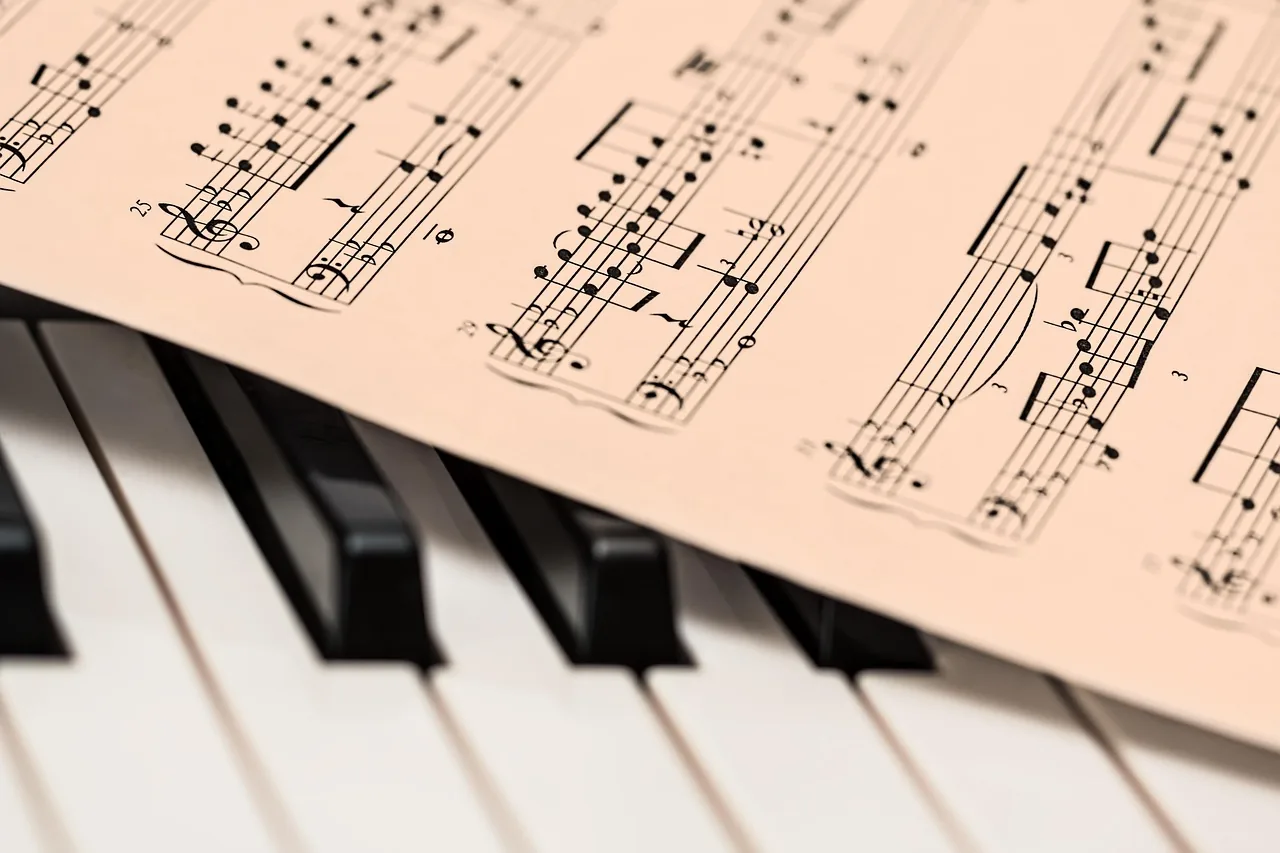
Written notation plays a crucial role in classical music. It enables composers to convey their musical ideas precisely and in detail, giving performers a solid foundation for bringing the music to life on stage. Classical notation includes specific symbols for pitch, rhythm, dynamics, articulation and other musical elements, providing both clarity and flexibility in interpretation.
Finally, classical music is distinguished by the depth of its artistic exploration and its ability to transcend cultural and historical boundaries. It addresses a wide variety of subjects, from intimate, personal expression to philosophical and universal questions, offering listeners a rich and stimulating musical experience.
Classical music is therefore defined by its historical heritage, sophisticated musical language, precise written notation and depth of artistic exploration. These qualities make it a genre of unparalleled richness and diversity.

Who are some famous classical composers?
Classical music is a world brimming with creativity, and many composers have shaped its history with their enduring works. Among its most celebrated figures, Franz Schubert holds a prominent place alongside his illustrious peers.
Franz Schubert, born in Austria in 1797, is widely recognized as one of the greatest composers of the Romantic period. His music, imbued with lyricism and emotion, reveals deep sensitivity and explores human feelings with remarkable intensity. Schubert is celebrated for his captivating melodies, song cycles (lieder), passionate symphonies and exquisite piano compositions. His best-known works include “The Fair Maid of the Mill,” “Winter Journey,” the “Unfinished Symphony” and the “Trout Quintet.”
Beyond Schubert, other renowned classical composers have left an indelible mark on music history. Johann Sebastian Bach, regarded as one of the greatest musical geniuses of all time, enriched the Baroque repertoire with monumental works such as the “St. Matthew Passion” and “St. John Passion,” the “Cello Suites” and “The Well-Tempered Clavier.”
Ludwig van Beethoven, a towering figure in classical music, crossed the boundaries of Classicism and paved the way for musical Romanticism. His nine symphonies, including the monumental “Symphony No. 9 in D minor,” and his groundbreaking piano sonatas, such as the “Moonlight Sonata,” continue to inspire and amaze generations of music lovers.
Wolfgang Amadeus Mozart, an Austrian musical prodigy, left an incomparable legacy with landmark operas such as “The Marriage of Figaro,” “Don Giovanni” and “The Magic Flute,” as well as his piano concertos and symphonies. His music, with its timeless beauty and dazzling virtuosity, still captivates audiences around the world.
These composers, among many others, illustrate the diversity and richness of classical music, offering listeners a transcendent and unforgettable artistic experience.
What are the main periods of classical music?
Classical music is a form of artistic expression that has developed over centuries and passed through different historical periods, each characterized by distinct styles, techniques and aesthetic conventions. Here is an overview of its main periods:
- Medieval music: This period extends approximately from the 5th to the 15th century. It includes Gregorian chant, early medieval polyphony, and both liturgical and secular songs. Medieval music was primarily vocal and often associated with religious practices.
- Renaissance: This period, from the 15th to the early 17th century, saw the flourishing of vocal and instrumental polyphony. Composers such as Josquin des Prez, Giovanni Palestrina and William Byrd created sacred and secular vocal works, as well as madrigals and songs.
- Baroque: The Baroque period, from the early 17th century to about 1750, is marked by abundant ornamentation, dynamic contrasts and intense expressiveness. Composers such as Johann Sebastian Bach, George Frideric Handel and Antonio Vivaldi dominated this period with musical forms including the fugue, concerto and opera.
- Classical period: The Classical period, extending roughly from 1750 to 1820, is characterized by formal clarity, balance and symmetry. Wolfgang Amadeus Mozart, Ludwig van Beethoven and Franz Joseph Haydn are among its most important figures, with works including symphonies, sonatas and string quartets.
- Romantic period: This period, from the early 19th to the early 20th century, is marked by intense emotional expression, artistic individualism and exploration of human feelings. Composers such as Ludwig van Beethoven, Franz Schubert, Frédéric Chopin and Johannes Brahms created deeply expressive works, from symphonies and lieder to symphonic poems.
These main periods of classical music reflect the evolution of musical styles, techniques and ideas throughout history, offering invaluable artistic diversity and cultural richness.
8-Tine Kalimba: Who Is It For and How Do You Choose One?

21-Tine Kalimba: Benefits, Tuning and Choosing a Model

17-Key Kalimba: A Complete Beginner’s Guide

Where Did the Kalimba Come From? History and Traditions

Kalimba or sanza: What are the differences, and which should you choose?