
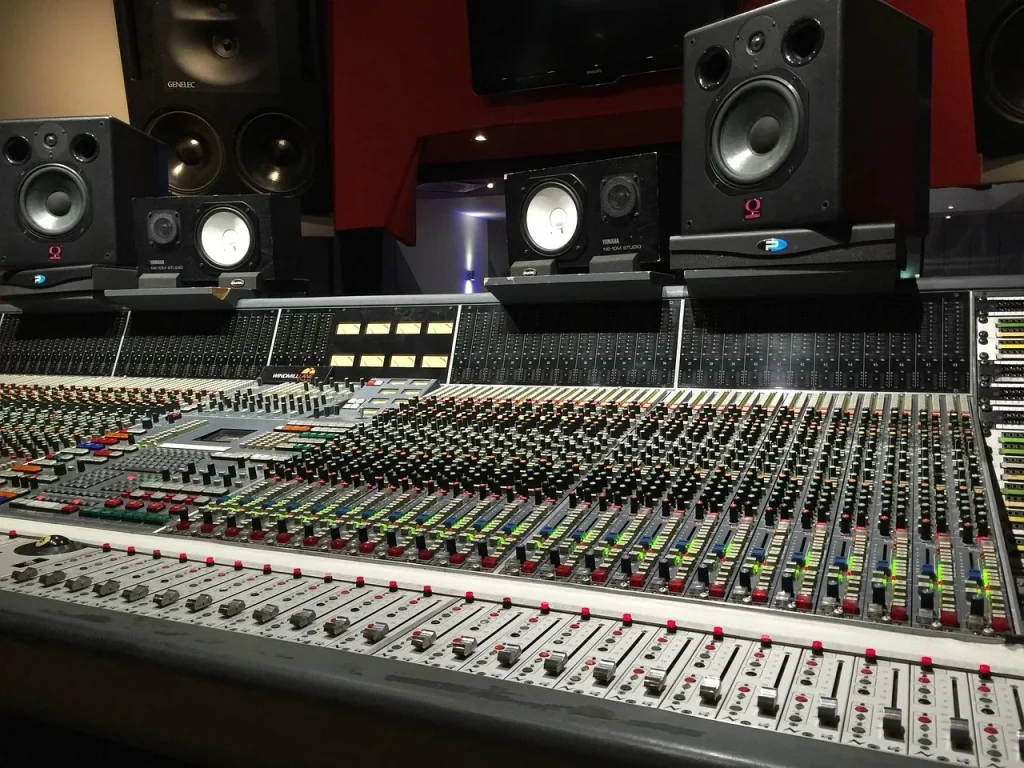
Working as a studio sound engineer is a dream for many: artists, legendary microphones, a dark control room lit by LEDs, and that moment when a track comes to life through the speakers. Behind that image, though, the job is chiefly about precision, listening, method, and working with people. A good sound engineer does more than add effects: they capture a performance, guide an artist, organize a session, solve problems in real time, and deliver a mix ready for release.
The studio sound engineer’s job: much more than turning knobs
In a studio, the sound engineer may be responsible for the entire audio process, from recording to the final result, depending on the project. In practice, their work can include:
- Recording : choosing and positioning microphones, managing levels, directing sessions (takes, comping, retakes), organizing tracks, preventing clipping, and checking for unwanted noise.
- Editing : cleanup, fades, alignment, timing, tuning, preparing stems, and keeping the session consistent.
- Mixing : balance, dynamics, clarity, depth, stereo placement, frequency control, automation, character, and artistic intent.
- Premastering and basic mastering : optimizing audio for release, maintaining consistency across an album or EP, setting levels, and preparing exports and formats (streaming, music video, radio, live performance).
Day to day, the job also means managing files, preparing sessions before artists arrive, anticipating requests, putting people at ease, explaining things without jargon, working quickly, and keeping your ears fresh despite fatigue. Technical skills matter, but method and communication often make the difference between an adequate session and a memorable one.
The key skills for becoming a sound engineer
You can teach yourself, but progressing quickly and effectively calls for a structured approach. These are the essentials:
1) Audio fundamentals
Before even discussing plug-ins, you need to understand:
- audio levels (dBFS, headroom, gain staging),
- dynamics and transients,
- frequencies (where problems arise and where a sound has impact),
- noise, distortion, phase, and stereo,
- the difference between “louder” and “better.”
This foundation helps prevent 80% of the mistakes that lead to harsh recordings, muddy mixes, or distorted masters.
2) Recording: capturing the right sound at the source
A good recording makes everything that follows easier. You need to learn how to choose and position a microphone, manage room acoustics even in a basic setup, control levels, and understand how a voice behaves in a room. In the studio, you cannot always rely on fixing things later: the quality of the recording shapes the quality of the final result.
3) Editing: the discipline that makes a project professional
Editing is often the most underestimated part of the process. Yet a professional mix begins with a tidy session: organization, naming, routing, buses, cleanup, silences, fades, consistent tracks, preparation of choruses and verses, breath control, and more. Editing turns a raw take into material that is both usable and enjoyable to hear.
4) Mixing: technique and intent
A successful mix is not a collection of tricks: it starts with a clear sonic goal. A sound engineer needs to know how to:
- create balance,
- make room for the voice,
- manage dynamics without crushing the sound,
- add depth (reverbs, delays),
- shape the energy (automation),
- preserve the track’s emotion across different playback systems.
Above all, they need to learn to listen. Really listen. Identify what gets in the way and what is missing, then act precisely.
5) Studio workflow: speed, discipline, reliability
Efficiency matters during a session. Backups, versions, exports, templates, playlist organization, latency management, headphone settings, artist feedback… The job calls for an engineer’s mindset: solve problems, improve the workflow, and protect the work.
What path can you take to get there?
There is no single route, but a realistic path often looks like this:
- Build a solid foundation (audio, levels, listening).
- Practice regularly : record vocals, mix tracks, revisit mixes, compare, and start again.
- Build a portfolio : before and after examples, excerpts, complete projects, and sessions you can explain.
- Work with artists : even when you are starting out and the projects are small, so you can learn what the work is really like.
- Get feedback : it is the best way to speed up your progress. Without it, you can keep going in circles.
- Learn to deliver finished work : clean exports, stems, versions, notes, organization, and deadlines.
The hardest part of learning on your own is knowing what to work on first and how to correct your mistakes without losing months. That is where structured training can save a great deal of time.
Training designed for studio work: Le Chalet Studio
At Le Chalet Studio, the “Sound Engineer” course is designed for people who want to understand the job in real working conditions through a practical, results focused approach centered on what you will do in a studio or when providing services remotely.
The goal is to prepare you to work independently through a clear workflow, practical methods, and a logical progression. It is about building good habits rather than piling up concepts.
The course covers topics including:
- setting up equipment and making connections,
- configuring an audio interface and a DAW,
- good recording practices (vocals, session direction, levels),
- editing (cleanup, organization, comping, preparation),
- mixing fundamentals followed by more advanced techniques (EQ, compression, spatial placement, automation),
- preparing exports and deliverables,
- analyzing mixes and developing a listening method.
The approach is designed to fit your circumstances: your level, your software, and your goals (becoming a studio sound engineer, offering mixing services remotely, improving your productions, working with artists, and so on). In this profession, progress depends as much on your working environment and focused, repeated practice as it does on technical skill.
If you would like to explore the program and see how the training could fit your plans, you can find all the information here: https://online.suu.edu/degrees/arts-communications/master-music-technology/graduate-certificate-audio-engineering/
Conclusion: becoming a sound engineer means becoming dependable
Studios value people who take the work seriously: those who can listen, organize, reassure, move quickly, and deliver consistent results. Passion is essential, but it needs the support of a reliable method. By learning the fundamentals, practicing within a structured framework, and getting specific feedback, you can make real progress.
Sound engineering is demanding, but it is also one of the most rewarding jobs: you take part in the creative process, give emotion its final form, and help artists make their music sound the way they imagined it. Once you have experienced that, it is hard to imagine doing anything else.