
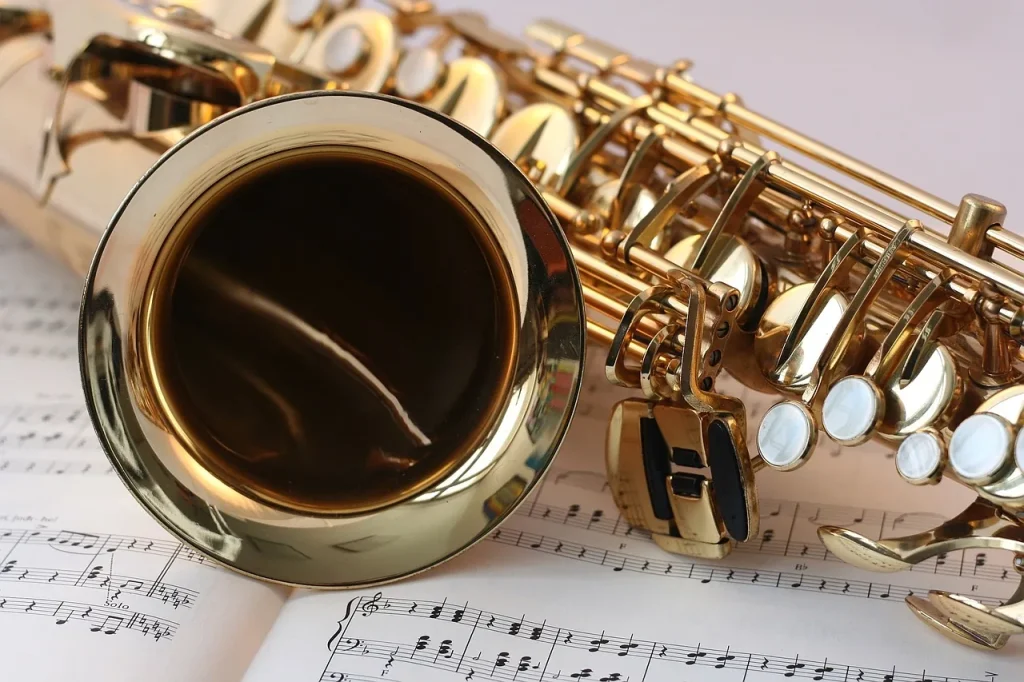
Learning to read music is an essential part of musical education. It provides the foundation you need to understand music theory and read sheet music. In this essential beginner’s guide, you will find the information you need to get started. The lessons are organized by topic, so you can choose the ones that interest you most. You will discover musical notes, pitches, note durations, dynamics, and the basics relevant to your instrument. Whether you play piano, violin, guitar, or saxophone, or you sing, this guide will give you the essential knowledge to develop your musical abilities.
Lorem ipsum dolor sit amet, consectetur adipiscing elit. Phasellus auctor suscipit risus sit amet luctus. Cras dignissim pharetra metus, eu varius lectus suscipit sit amet. Quisque ac dui elit. In tincidunt mauris vitae orci ultricies efficitur. Donec sed purus nibh. Nullam cursus consectetur eros, quis blandit nibh tincidunt et. Maecenas eleifend tempus urna, id congue lorem faucibus nec.
The fundamentals of music theory
Music theory is a set of principles that describes how music works. It includes fundamental concepts such as musical notes, pitches, note durations, and dynamics. By understanding these basics, you will be able to read and interpret sheet music accurately. You will also learn about scales, intervals, and keys, which are essential for understanding musical structure and harmony.
Music theory underpins our understanding of music. By learning about musical notes, which represent different pitches, and note durations, which show how long each note should be played, you will be able to interpret sheet music accurately and faithfully.
Dynamics are also an important part of music theory. They indicate the volume and character of a note or musical passage. Dynamics such as piano, forte, and mezzo-forte add richness and expression to music.
As you explore music theory further, you will discover scales: specific sequences of notes used to build melodies and harmonies. Intervals measure the distance between two notes and play a crucial role in building harmonic progressions.
Understanding the fundamentals of music theory is essential for every musician, whether you sing, play piano or guitar, or play another instrument. It gives you a solid foundation for learning and making music.
In the next section, we will take a closer look at musical notes and scales.
Learning to read music for your instrument
Learning to read music is even more useful when it is tailored to your chosen instrument.
In this section, you will find lessons for different instruments and disciplines, including piano, violin, guitar, saxophone, and singing.
Each lesson covers the basics of reading music through practical examples and exercises suited to the instrument.
Whether you are a beginner or want to deepen your knowledge, these lessons will help you learn to read music in direct connection with your instrumental practice.

| Instrument | Lesson length | Lesson content |
|---|---|---|
| Piano | 30 minutes | Notes, scales, chords |
| Violin | 45 minutes | Pitches, playing techniques |
| Guitar | 60 minutes | Chords, tablature, rhythms |
| Saxophone | 45 minutes | Scales, embouchure techniques |
| Singing | 30 minutes | Vocal scales, breathing |
Whether you choose piano, violin, guitar, saxophone, or singing, you can follow lessons suited to your chosen instrument or discipline.
With this tailored approach, you can apply your music-reading knowledge directly to your instrumental practice. This will speed up your progress and help you become a skilled musician.
Tips for learning to read music more easily
Learning to read music can sometimes seem daunting, but a few tips can make it easier and more enjoyable. One key is to combine learning to read music with practicing your instrument. Connecting theory with practice strengthens both your understanding and your motivation.
“Learning to read music is, above all, a matter of practice, regular work, and perseverance. When you combine music theory with instrumental practice, you strengthen your understanding and make faster progress.” — Jeanne Martin, professional pianist
Regular practice is also recommended, whether you are sight-reading simple pieces, developing your musical ear, or using apps and online games to make learning more enjoyable.
Here are some practical tips to help you learn to read music:
1. Practice your instrument regularly
Regular practice on your instrument is essential for strengthening your music-reading skills. By playing often, you will become familiar with different notes, pitches, and note durations, making music theory easier to understand.
2. Sight-read simple pieces
Sight-reading simple pieces is an excellent way to improve your ability to read music and understand notation. Start with easy pieces, then gradually move on to more complex scores. This will help you become familiar with the different symbols and conventions used in sheet music.
3. Develop your musical ear
Developing your musical ear will help you recognize intervals, chords, and melodies more easily. Listen to music regularly, try to reproduce melodies by ear, and practice singing. This will strengthen your understanding of musical concepts and make learning to read music easier.
4. Use apps and online games
Many apps and online games are designed specifically for learning to read music. These interactive tools can make learning more enjoyable and help reinforce your knowledge. Use them alongside your music-reading lessons to vary the way you learn.
These tips can help you approach learning to read music more effectively and enjoyably. Remember to practice regularly and connect music theory with instrumental practice. With perseverance and enthusiasm, you will make rapid progress on your musical journey.
Conclusion
Learning the basics of reading music is an essential step for anyone beginning a musical journey. By understanding music theory, you will be able to read, interpret, and play music accurately. Whether you are a beginner or want to strengthen your knowledge, this essential beginner’s guide will give you the foundation you need to develop your musical abilities.
Explore the lessons tailored to your instrument to deepen your instrumental practice. By applying the tips above to make learning to read music easier and more enjoyable, you will progress quickly in your musical education.
Begin this musical journey and discover the fascinating world of music notation. Whether you make music for personal enjoyment or pursue a musical career, learning to read music helps you express your creativity and passion through music. Explore, learn, and develop your musical abilities through a solid understanding of the basics of reading music, musical education, music theory, and instrumental practice.
FAQ
What is solfège?
Solfège is an essential part of musical education. It provides the foundation you need to understand music theory and read sheet music.
What is music theory?
Music theory is a set of principles that describes how music works. It includes fundamental concepts such as musical notes, pitches, note durations, and dynamics.
Are there music-reading lessons for specific instruments?
Yes. In this section, you will find lessons for different instruments and disciplines, including piano, violin, guitar, saxophone, and singing.
How can I make learning to read music easier?
One tip is to combine learning to read music with practicing your instrument. Connecting theory with practice strengthens both your understanding and your motivation.
Why is learning to read music essential?
Learning the basics of reading music is essential for anyone beginning a musical education. You will be able to read, interpret, and play music accurately.