
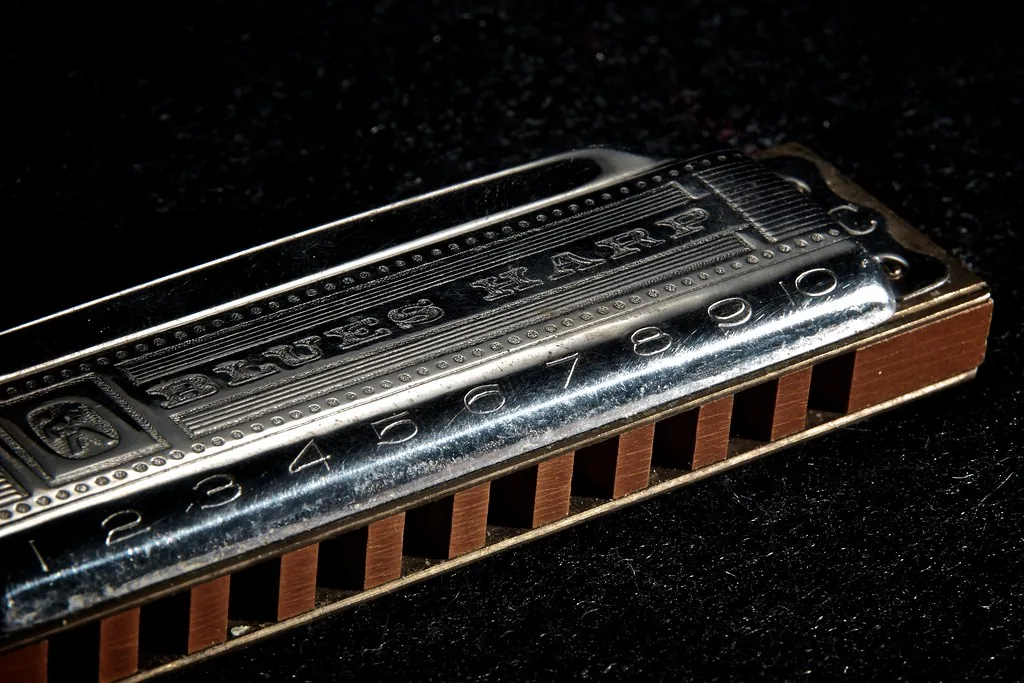
Goal: help you choose between two brands based on your level, style, and budget, so you can buy a good harmonica with confidence.
The market favors diatonic harmonicas, which are often more affordable than chromatic models. Well-known brands dominate online and in-store sales, with price differences among Amazon, Thomann, and physical shops.
The key of C remains the recommended choice for beginners. A is ideal for blues and G for folk. Comb and reed materials strongly affect sound and maintenance.
This guide compares strengths, limitations, and typical uses, then offers guidance by price tier (entry level, midrange, and premium) and type (diatonic, tremolo, and chromatic).
What to expect: a clear, quick read to help you balance quality and price while accounting for maintenance costs and resale value.
The current French market and what buyers want
In France, diatonic models dominate the selection and musicians’ preferences.
Why diatonic harmonicas dominate purchases in 2025
Accessibility: they are easier to learn and generally cheaper than chromatic harmonicas.
Practicality: weighing around 130 g on average, they are compact and easy to carry.
Nearly 80% of the standard repertoire played by professionals centers on this type of instrument.
What beginners and experienced players look for
Beginners mainly want good tuning, adequate airtightness, and the key of C, favored by 87% of them. They seek the best value and a path to progress without frustration.
Experienced players look for responsive reeds, the ability to bend notes, stable tuning, and sturdy covers. They also consider parts availability.
- Where to buy: online (48-hour delivery and 30-day returns through Amazon or Thomann) or at a local shop where you can try the instrument.
- Tip: watch for promotions in January and June, and check stock levels.
- Final advice: assess value for money rather than the brand alone. Explore the best affordable diatonic harmonicas.
Suzuki and Seydel at a glance
Two distinct approaches stand out: Japanese precision and German heritage.
What defines the two brands
Suzuki (founded in 1953) is associated with industrial innovation. Its ranges emphasize accurate tuning and modern ergonomics. The HA-20 Hammond combines phosphor bronze reeds, an aluminum comb, and a hard case.
Seydel (established in 1847) represents German tradition. The Blues Session Steel features stainless steel reeds, rounded, lip-friendly covers, and stainless steel screws for durability.
Positioning, flagship ranges, and audiences
- Price positioning: the first brand offers a broad range; the second tends toward midrange and premium models.
- Audiences: beginners and intermediate players are drawn to comfort and tuning accuracy; demanding players seek durability and lip comfort.
- Availability: wide distribution across Europe and good availability in France, with established names such as Hohner serving as worldwide benchmarks.
“The durability of steel reeds makes a real difference for people who play often and want an instrument that stays in tune.”
| Feature | Entry-level model | Midrange model | Target player |
|---|---|---|---|
| Reed material | Phosphor bronze | Stainless steel | Beginners → experienced players |
| Comb | Aluminum | Sturdy construction | Intermediate players → professionals |
| Main advantage | Tuning accuracy and ergonomics | Longevity and lip comfort | Quality-conscious players |
Suzuki vs Seydel: Which Harmonica Fits Your Budget?
The best balance depends mainly on how often you play and the style you want.
Quick comparison: strengths, limitations, and uses
At a glance: Suzuki offers accurate tuning and a lightweight, comfortable design, often at a gentler price. Seydel emphasizes stainless steel reeds, rounded covers, and notable longevity, but requires a somewhat larger investment.
In short: the Folkmaster is recommended for learning on a tight budget. For blues or rock, the Blues Session Steel is recommended for its projection and lip comfort.
What to compare: sound, materials, maintenance, and price
| Priority | Main feature | Effect |
|---|---|---|
| Sound | Clarity or grit | Style (folk or blues) |
| Materials | ABS, aluminum, wood | Airtightness, weight, warmth |
| Reeds | Bronze or stainless steel | Response, durability |
| Maintenance | Screws and disassembly | Ease of maintenance |
Practical advice: prioritize airtightness and parts availability if you play often. Avoid strong alcohol for cleaning; use a vinegar-and-water solution instead, then dry the instrument completely.
Compare by budget: entry level, midrange, and premium
Depending on your level and how often you play, some ranges quickly become better value.
Entry level
First choice: at around €32.99, the Folkmaster offers an ABS comb, good airtightness, and accurate tuning. It is an excellent way to explore the instrument without a large outlay.
Other low-cost models include the Hohner Blues Band and the Swan. Seydel has fewer truly inexpensive entry-level options; its strengths become clearer higher up the range.

Midrange
The HA-20 Hammond combines phosphor bronze reeds, an aluminum comb, and a hard case. The Blues Session Steel counters with stainless steel reeds and rounded covers, offering easier breath control and greater comfort.
Other useful points of comparison are the Special 20 (around €40.90) and the Lee Oskar (around €40).
Premium models and total cost of ownership
Paying a little more makes sense if you play often. Consider reed wear, reed plate availability, and resale value. Brass and bronze reeds remain musical choices; stainless steel offers greater longevity.
Diatonic, chromatic, tremolo: Which ranges should you compare?
Differences among diatonic, chromatic, and tremolo harmonicas directly affect playing and maintenance. Diatonic remains the most common choice: it covers blues, rock, and folk and accounts for most pieces played by professionals.
Key points:
- 10-hole diatonic: the standard model, ideal for bending and expressive blues and rock playing. Most models are compact and easy to learn.
- Chromatic: its button provides access to every note, which is useful for jazz and complex melodic lines. Expect a weight of around 210 g, a cost roughly 40% higher, and more demanding maintenance.
- Tremolo: its double holes and paired reeds produce a rich sound suited to folk and gospel. The Humming Tremolo-21-C illustrates this type well, with an ABS comb, natural tremolo, and a hard case.
Most diatonic harmonicas have 10 holes; 12-hole models are more specialized. If you favor blues, rock, or folk, focus your comparison on the two brands’ diatonic models. For jazz or a broader repertoire, account for the weight, maintenance, and added cost of a chromatic harmonica.
For an accessible buying guide and a few tested models, see this selection of the best affordable harmonicas.
Materials and reeds: stainless steel, brass, phosphor bronze
Reed and comb choices directly affect response and maintenance.
Reed comparison: stainless steel offers excellent longevity, good tuning stability, and a crisp attack. Brass reeds produce a warm, familiar sound. Phosphor bronze combines flexibility with tonal precision.
In practice, alloy composition changes the scope for bending. Good airtightness and fine adjustment make it easier to bend notes. Regular players benefit from the durability of stainless steel reeds; brass and phosphor bronze still serve smaller budgets well.
Playing feel and response
More flexible reeds respond faster to breath. Stiffer alloys encourage a sharper attack and stronger projection.
ABS, wood, or aluminum combs: airtightness, weight, and maintenance
An ABS comb offers good airtightness and easy maintenance. Wood brings warmth and roundness but needs care around moisture. Aluminum provides rigidity, clarity, and a denser feel in the hand. A diatonic model weighs around 130 g on average, with ABS helping keep the instrument light.
- Comfort: rounded covers reduce lip irritation and improve airflow control.
- Playing frequency: if you play often, favor stainless steel reeds and sturdy screws.
- Overall airtightness: how the comb, plates, and covers fit together affects ease of playing and dynamics.
Ergonomics and construction: lip comfort, airtightness, screws
Careful construction changes the playing experience: it affects lip comfort, airflow, and ease of disassembly. These details matter during long sessions and routine maintenance.
Covers and edges
Lip-friendly covers and players with beards
Covers with rounded edges are less likely to catch on lips and mustaches. They improve comfort during long sessions and reduce air leaks.
Screws and disassembly
Stainless steel, repeated disassembly, and adjustments
Stainless steel screws resist corrosion and make disassembly easier. Use a suitable screwdriver and work methodically when cleaning and adjusting the plates.
Airtightness and playing comfort
A precise fit among the comb, plates, and covers reduces the amount of air needed and improves response. Well-machined ABS or aluminum combs provide reliable airtightness.
| Component | Effect | Use case |
|---|---|---|
| Rounded covers | Less irritation, better grip | Long sessions, players with beards |
| Stainless steel screws | Easy maintenance, durability | Frequent adjustments |
| ABS or aluminum comb | Good airtightness, low weight | Playing with a light breath |
Maintenance tips: disassemble methodically, dry completely, and avoid harsh solvents (alcohol > 40°), which could oxidize the plates.
Construction affects weight and feel in the hand. Try holding the instrument before buying to assess its quality and comfort for your needs.
Sound character and styles: blues, jazz, folk, rock
An instrument’s tone often guides the choice according to the style being played.
Grit and projection: one model may emphasize clarity and tuning accuracy, useful for recording and learning. Another may favor lively warmth and strong projection, ideal for blues.
Sound character affects attack and volume. Covers and reeds determine how well the instrument cuts through a mix. The Humming tremolo adds a rich texture valued in folk and gospel.
Choosing a key: C remains the first choice for beginners (87% of students). A is often chosen for blues. G works well for folk. On a diatonic harmonica, bends and overblows expand the expressive range of notes; a chromatic covers all notes but changes how you articulate them.
| Sound character | Recommended style | Main advantage |
|---|---|---|
| Clarity and accurate tuning | Jazz, pop, recording | Note precision, ease of learning |
| Lively grit | Blues, rock | Projection, stage presence |
| Rich tremolo | Folk, gospel | Accompaniment texture, harmonic richness |
Listen to examples under realistic conditions, with a microphone and amplifier. Try several models and keys to check that your harmonica suits the music you plan to play.
Durability, maintenance, and parts: everyday realities
Long-term tuning stability depends greatly on reed materials.
Stainless steel: tuning stability and wear
Stainless steel: it offers notable tuning stability and wears more slowly.
Less breath pressure is needed, making long sessions easier.
Over several years of regular use, this choice reduces how often adjustments are needed.
Projection remains consistent, but airtightness needs attention during reassembly.
Parts and modular design: availability, cost, and convenience
Daily care: rinse with lukewarm water and dry completely after every session.
Periodic cleaning: use one part vinegar to two parts water; avoid alcohol > 40°.
A thorough cleaning about every 20 hours of playing is enough; simple tools will do.
Screwed-together models make reed plates easier to replace; check the availability of compatible parts in France.
| Item | Effect | Typical cost |
|---|---|---|
| Stainless steel reeds | Better tuning stability, slower wear | Moderate initial investment |
| Spare parts | Repairability and modularity | Prices and lead times vary in France |
| Case (EVA or neoprene) | Protection from impacts and moisture | Example: Protector, around €25 |
| Maintenance | Extends service life and preserves resale value | Low cost, benefits over several years |
Advice: adopt these habits as soon as you buy the instrument to improve your playing experience and extend its life.
Availability and prices in France: Where can you get the best deal?
When buying in France, compare sales channels and warranties before ordering.
Online platforms dominate sales. Amazon and Thomann often deliver within 48 hours, allow 30 days for returns, and offer average savings of around 15%.
Online shops and physical stores
Online retail offers competitive prices and a wide selection. Returns are straightforward, and promotions are frequent.
Local retailers advise customers, let them try instruments, and provide personalized after-sales service. Their stock may be more limited, however.
Promotions, stock, and delivery times
Look in January and June: discounts on certain models sometimes reach 25%. Watch for flash sales and bundles that include a case.
Remember extra charges: around €3 for insurance and €7 for express delivery. A price-tracking tool such as Keepa can help you spot a good deal.

| Sales channel | Main advantage | Drawback |
|---|---|---|
| Amazon / Thomann | Wide selection, short delivery times | Some models may have limited stock; express delivery fees |
| Local shops | Try before buying, advice, personalized after-sales service | Often higher prices and limited stock |
| Importing | Access to rare products, sometimes at lower prices | More complicated compensation claims and warranties |
Practical advice: try the instrument in a shop, then compare prices online. Combine purchases of accessories and parts to make delivery charges worthwhile. Always check product authenticity (serial number and finish) to avoid counterfeits.
Cases and accessories: Protect and get more from your purchase
Investing in suitable protection extends the instrument’s life and preserves its resale value. A well-chosen case and accessories reduce the risks from impacts and moisture, as well as the need for mechanical repairs.
Hard cases, neoprene, EVA: examples and budgets
Hard cases provide maximum protection against impacts. EVA shells absorb up to around 87% of impacts and cost about €18.
Neoprene remains flexible and light (around 50 g) for everyday transport. The multi-compartment Protector (the manufacturer’s model) sells for about €25 and holds several instruments.
Cleaning kits, microphone mounts, replacement plates
A cleaning kit (€12–15) contains a cloth, a suitable screwdriver, and a mild cleaning solution. Clean the instrument after about 20 hours of practice.
For the stage, choose sturdy microphone mounts (compatible with the Shure SM57 and supporting at least 500 g) with fine adjustments to reduce feedback.
- Essential accessories: a maintenance kit, spare screws, and a suitable case.
- Avoid harsh products on plastic and plates.
- Limit weight and bulk by choosing a case for the number of instruments you carry.
| Type | Advantage | Typical budget |
|---|---|---|
| Hard case | Maximum protection | About €25 |
| EVA | Shock absorption | About €18 |
| Neoprene | Light and convenient for transport | About €10–15 |
Tip: put together a basic set of maintenance accessories to extend the instrument’s life and make resale easier.
Other options to consider: Hohner and Lee Oskar
Some long-established models remain reliable choices in shops and online.

The Hohner Special 20 (around €40.90) is a versatile model. Its plastic comb provides reliable airtightness. It suits most styles and is easy to find in France.
The Hohner Marine Band is an iconic model with a wooden comb. It offers a warm, gritty tone appreciated in the studio and onstage.
When should you choose Lee Oskar or Hohner?
The Lee Oskar Major Diatonic (around €40) appeals for its modular reed plates. It is easy to disassemble and maintain. C remains the recommended key for beginners.
“A proven model makes progress easier and simplifies maintenance.”
- Choose the Special 20 if you want versatility and readily available parts.
- Choose the Marine Band if the tone of a wooden comb is essential to your sound.
- Choose the Lee Oskar if modular design and easy maintenance matter to you.
| Model | Strength | Typical price |
|---|---|---|
| Hohner Special 20 | Airtightness, versatility | About €40.90 |
| Hohner Marine Band | Warm grit (wooden comb) | About €45–60 |
| Lee Oskar Major Diatonic | Modular design, easy maintenance | About €40 |
Tip: compare the Special 20, Major Diatonic, and any other models you are considering in a shop, then choose by how they feel to play.
Myths and realities about inexpensive, durable models
Low cost is often associated with a short lifespan, but the facts make the picture more nuanced.
A myth worth questioning: tests show that inexpensive models can last a long time when properly maintained. For example, a Swan model reaches around 1,500 hours of use, compared with around 2,000 hours for more expensive models.
Materials: an ABS or plastic comb resists moisture better than wood. That simplifies maintenance and reduces warping.
- Lifespan: the real difference depends on assembly, reeds, and cleaning habits.
- Origin: production is globalized; check quality control instead of judging an instrument without examining it.
- Return rates: inexpensive models often have a rate similar to higher-end ranges (around 2%).
Practical conclusion: choose according to your real needs and take care of the instrument. With good habits, an inexpensive harmonica can last for years, just like more costly models.
Decision tree: Make your choice in 30 seconds
Need a quick decision? Here is a short guide to choosing an instrument in 30 seconds based on your level, style, and budget.
Key: C is versatile and ideal for beginners; A is better suited to blues; G works well for folk.
Level: if you are a beginner, choose an entry-level or midrange model (such as the Folkmaster at around €32.99). If you are intermediate or advanced, prioritize reed quality and comfort (HA-20 Hammond, Special 20, Lee Oskar).
Frequency: if you play often, choose stainless steel reeds and sturdy construction (premium models). For occasional playing, brass or phosphor bronze is sufficient.
Maintenance and availability: if you need modular construction and easy-to-find parts, consider Lee Oskar. For lip and beard comfort, favor rounded covers. Check stock on Amazon or Thomann, or try the instrument in a shop before buying.

| Question | Quick answer | Examples |
|---|---|---|
| What is your level? | Beginner → C and entry-level or midrange | Folkmaster (around €32.99), Special 20 (around €40.90) |
| Main style? | Blues or rock → stainless steel reeds; folk or pop → clear tone | Blues Session Steel, Lee Oskar |
| How often do you play? | Frequent playing → the durability of stainless steel | HA-20 Hammond, Blues Session Steel |
| Budget? | Under €40 → entry level; €40–60 → midrange; over €70 → premium | Folkmaster, Special 20, Blues Session Steel |
“Choose the key, style, and price first, then compare reeds and comfort.”
Our recommendations by player and style
To choose the right instrument, start by defining your playing profile and sound priorities. Here are practical suggestions based on how much you practice and the style you play.
Beginner on a tight budget: tuning accuracy and progress
A C harmonica with an ABS comb and an airtight design supports progress without frustration.
Choose an affordable Folkmaster, then work on breath control and the basics. This choice helps beginners build confidence.
Intermediate blues or rock player: response and durability
Look for responsive reeds and sturdy covers. The HA-20 emphasizes clarity and precision; the steel-reed model offers more character and longevity.
Experienced player across several styles: multiple instruments and versatility
Build a set of instruments in C, A, and G. Combine the Special 20, Lee Oskar, HA-20, and stainless steel reed models according to your repertoire.
Traveling player or player with a beard: comfort and protection
Favor rounded covers, stainless steel screws, and stainless steel reeds for comfort. Add a sturdy EVA case to your kit.
Advice for harmonica players: adapt your technique to the reeds’ response and try several models in the same key before buying.
Conclusion
In conclusion, the wisest decision accounts for the sound you want, durability, and the total cost over several years.
A diatonic harmonica remains the best starting point: C is the first key to buy. Add A for blues and G for folk later, depending on your repertoire.
Suzuki offers clarity and good value; Seydel emphasizes stainless steel reeds and comfortable covers. Try models in a shop and compare prices on Amazon and Thomann during January and June promotions.
Take care of the instrument (lukewarm water, diluted vinegar, and no strong alcohol) and plan a thorough cleaning about every 20 hours of playing. A considered purchase and regular care provide a lasting playing experience without spending much more.