
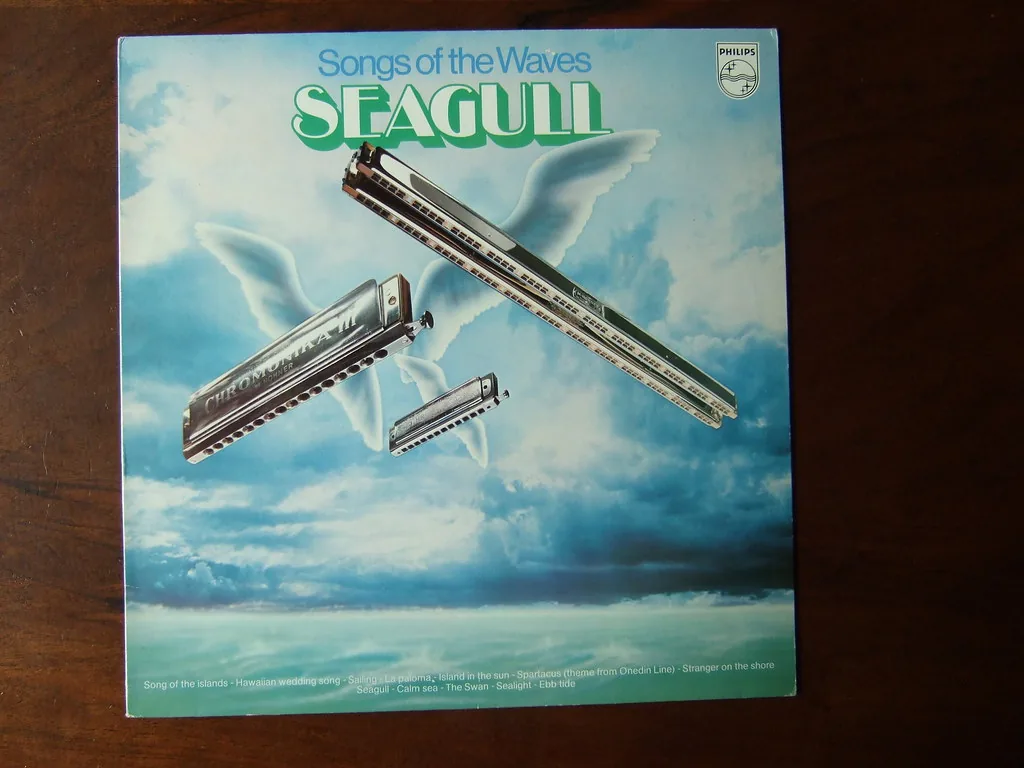
Goal: help beginners choose an instrument quickly. This guide presents the initial choice, explains why it matters and suggests reliable models.
In France, the most commonly played styles are blues, rock, country, folk and jazz. Many teachers recommend Bb for its warm sound and more accessible bends. Others favour C, which appears widely in methods and packs for beginners.
We present reliable models for a first purchase: Hohner Special 20, Hohner Golden Melody, Lee Oskar Major Diatonic, Hohner Rocket Progressive and Suzuki Hammond HA-20. Beware of poorly adjusted models that can slow your progress.
Finally, we cover the budget (€30–40 for an entry-level model), modern tools such as Jamzone for transposing backing tracks, and the structure of this article: key, type, buying criteria, budget, models and mistakes to avoid. For a complete equipment guide, read this equipment guide.
Why key matters when you start playing harmonica
A good start speeds up progress. Choosing the right key from the outset reduces obstacles and helps you learn faster. The key determines which notes come naturally and affects how easily you can link musical phrases.
Diatonic harmonicas are designed for a specific key. In practice, that means some pieces sound right immediately, while others require advanced bending techniques.
The beginner’s goal is to save time and hear results quickly. Playing pieces that sound good early on maintains motivation and lets you work on breath control, attack and rhythm without frustration.
The situation in France
Amateur players favour styles such as blues, rock and folk. Choosing a key commonly used in available backing tracks makes it easier to practise with a group or a recording.
With Jamzone, you can transpose backing tracks and practise in other keys without buying several instruments. This limits the initial expense and makes the choice less restrictive.
- The practical benefit of choosing a suitable key: playing along with original backing tracks.
- A poor choice can slow the development of your ear and groove.
- You can address this later by buying a few additional instruments.
To learn more, read this guide, which discusses the case for B-flat in detail.
Which harmonica key should you choose as a beginner?
The sound and reed response differ noticeably between C and Bb, and that matters for beginners.
Bb is increasingly recommended by teachers and professionals, including Rachelle Plas and Michel Herblin, because it makes bends in second position more accessible. The result: many students progress faster and achieve a warmer, rounder sound.
C remains a sensible choice if your lessons or backing tracks are in C. Matching the key used in your course saves time at the start.
“Your initial choice should take your backing tracks and intended style into account.”
In practice, with enough work, a diatonic harmonica can produce every note. A quality first model in Bb or C is often enough for a long time.
- Bb: more accessible bends, a warm sound and quick progress in blues, rock and jazz.
- C: widely used in teaching materials and useful if your resources are in C.

| Criterion | Bb | C |
|---|---|---|
| Suitability for blues, rock and jazz | Very good | Good |
| Ease of bending | Easier | Standard |
| Use in teaching methods | Less common | Very common |
| Sound character | Warm and round | Neutral |
Consider your circumstances (lessons, backing tracks and style) before buying. To compare beginner-friendly models, read this complete guide or this comparison of beginner models.
Diatonic or chromatic: which should you choose first?
Choosing between a diatonic and a chromatic model affects your comfort and musical goals from the start.
Diatonic harmonica: simplicity and expression
The diatonic harmonica is the most common type and remains the best starting point. It is compact, affordable and ideal for blues, rock, country and folk.
Its design supports characteristic effects: bends, growls and vibrato. These techniques add a great deal of expression, although they take some practice.
Chromatic harmonica: every note, with more complexity
The chromatic harmonica has a slide that provides access to the full chromatic scale. It suits jazz, classical music and precise melodic lines.
It is often heavier and more expensive, however. Coordinating your hand with the slide button makes it more demanding to learn.
What this means for a beginner in France
If your lessons and methods focus on popular music, a diatonic harmonica is a better fit. Many local resources cover diatonic harmonicas.
If you want to play complex chromatic melodies, consider a chromatic model later. Jamzone also lets you transpose backing tracks and try different styles before making a more expensive purchase.
| Criterion | Diatonic | Chromatic |
|---|---|---|
| Typical styles | Blues, rock, country, folk | Jazz, classical music, melodic pop |
| Access to the scale | Through bending techniques | Through the slide mechanism |
| Weight and size | Compact, lightweight | Somewhat larger and heavier |
| Price | Affordable | More expensive |
| Effects (bends, growls) | Natural and powerful | Less suited to them |
Key criteria for a good first harmonica
Construction details directly affect how easy an instrument is to play and how long it lasts. Choosing the right model prevents wasted time and disappointment.
Comb: plastic, metal or wood
A plastic comb is still the best initial choice: it is light, stable and easy to maintain. A metal comb gives a fuller sound and a more noticeable sense of weight, which may appeal if you like premium finishes.
A wooden comb offers a traditional tone but requires careful maintenance. Avoid wood if you are not ready to look after it.
Reed plates and responsiveness
Well-fitted reed plates respond quickly. This makes notes easier to play and helps you learn bends faster.
Some premium models have more responsive reeds, reducing the effort needed to produce bends.
Shape, ergonomics and covers
Look for rounded covers and a mouthpiece without sharp edges. A smooth feel against the lips helps prevent irritation and injury.
A poorly finished model may be awkward to hold or irritate your mouth; test it before buying.
Tuning, quality and maintenance
Accurate tuning is essential: a poorly tuned model can sound out of tune and hinder progress. Check each note’s pitch.
Solid construction, secure screws and easy access to the reed plates extend the instrument’s life. Regular cleaning and tightening the covers help keep the notes stable.
For a dependable first purchase, choose a recognised model that combines smoothness, accurate tuning and comfort. For a comparison and buying advice, read this short guide.
Beginner budget: how much should you spend?
Spending wisely at the start reduces frustration and speeds up learning.
To try the instrument, an initial budget of around €30–40 is enough. At that price, you can find reliable harmonicas such as the Hohner Special 20, the Tombo Lee Oskar Major Diatonic or some versions of the Suzuki Blues Master. These instruments offer good tuning and reasonable responsiveness.

When to move up a level
Spending a little more can make playing noticeably more comfortable. Slightly more expensive models offer more responsive reeds, better-finished covers and a smoother feel against the lips.
Choosing a premium model
A premium model such as the Suzuki Hammond HA-20 is worthwhile if you play often and want greater projection and precision.
- Tip: one good model is better than a cheap, poorly tuned pack.
- Jamzone lets you transpose backing tracks and postpone buying a complete collection.
| Budget | Examples | Benefit | When to choose it |
|---|---|---|---|
| €30–40 | Hohner Special 20, Lee Oskar | Reliability, good value | To find out whether you enjoy playing |
| €50–90 | Hohner Rocket, Golden Melody | Comfort, better responsiveness | For regular practice |
| €100 and up | Suzuki Hammond HA-20 | Premium finish, projection | For intensive use or performance |
Our recommended models for getting started
Here is a selection of models tested and approved for a confident start.

Hohner Special 20
A dependable choice: plastic comb, comfort and accurate tuning. This model makes your first bends easier and remains stable over time.
Hohner Golden Melody
A smooth feel against the lips and a retro look. The Golden Melody has a gentle tone that works well for melodic practice, as well as accessible bends.
Tombo Lee Oskar Major Diatonic
Versatile and easy to get to grips with. Its sound is softer, and its stability makes it a good model for exploring several styles.
Hohner Rocket Progressive
A modern take on the Special 20 concept, with greater projection and revised ergonomics. Ideal if you want a more assertive instrument from the outset.
Suzuki Hammond HA-20
Heavier, with premium finishes and reeds that respond precisely. Technicians often use it as a basis for further adjustments; it is recommended if you want durability and quality.
Hohner Marine Band / Deluxe
A blues classic: wooden comb and a highly distinctive sound. It offers an authentic playing feel but needs more maintenance and may be less forgiving as a first choice.
“A good, well-adjusted model helps you master your first bends without getting discouraged.”
- First choices: Hohner Special 20 or Golden Melody.
- Rocket Progressive for a step up.
- HA-20 for a durable premium purchase.
Listen to unamplified demonstrations and check the tuning note by note. For more information and a comparison, read this practical guide.
Styles and positions: blues, rock, jazz and how keys work
Playing positions often determine the character of a solo and how you approach the instrument.
Playing in second position: why Bb works so well
Second position, or cross harp, emphasises draw notes. It makes phrasing and bends easier. That is why many blues and rock players use it.
Bb gives a rounded sound and a gentle attack. It often suits the backing-track keys used in jazz and blues. This lets you focus less on effort and more on feel.
Moving between styles: folk, country and French songs
First position remains ideal for simple, lyrical melodies. It naturally suits folk, country and French songs.
A useful reminder: bending techniques let you obtain every note on a diatonic harmonica. This broadens your options and means you need not buy a complete collection right away.

- Try the same phrase in first and second position to hear how each affects the scale.
- Use Jamzone to transpose backing tracks and explore different styles without buying more instruments.
Mastering positions gives your progress structure and makes your playing freer.
One harmonica or several: covering “every note” and every key
The most practical approach combines bending techniques with a few additional models.
Bends and expression
A diatonic harmonica is tuned to a specific key, but bending techniques let you reach every useful note. Learning them takes time and a structured approach.
Practising bends and breath control increases your expressiveness and reduces the immediate need for a complete collection.
Building a set of instruments gradually
Start with a good model in Bb or C, depending on your lessons and backing tracks. Then add models in A, D or G according to the styles you play.
Jamzone helps you transpose backing tracks and delay buying several harmonicas if your budget is limited.
| Stage | Priority | Benefit |
|---|---|---|
| One instrument (Bb or C) | High | Quick progress, lower cost |
| Add A and D | Medium | More pieces within reach |
| Add G and other keys | Low | Long-term musical freedom |
Conclusion: a few instruments chosen to suit your needs, combined with solid technique, offer real musical freedom.
Tools and resources for faster progress
Combining apps with structured lessons reduces mistakes and saves time during the first few weeks.
The Jamzone app: transpose backing tracks without changing instruments
Jamzone lets you change the key of backing tracks and loop passages. These features help you work on rhythm and develop your ear.
Key benefit: you can keep playing the same instrument while varying keys and styles with themed playlists (for example, HOHNER SELECT).
Lessons, methods and teachers: save time and avoid dead ends
Structured lessons cover breathing, articulation, phrasing and bends. A good course speeds up learning and helps correct bad habits.
A harmonica teacher gives immediate feedback. They can spot posture problems and save you hours of unproductive trial and error.
- Alternate independent practice with Jamzone and guided sessions.
- A sample plan: weekly goals, a selection of backing tracks and recordings of your playing.
- Active listening: identify the chord progression and note placement, then imitate them thoughtfully.
| Resource | Use | Expected result |
|---|---|---|
| Jamzone | Transposition, loops, playlists | More ways to practise without buying more instruments |
| Structured method | Progressive exercises | Better technique, fewer mistakes |
| Teacher | Personalised corrections | Time saved and focused progress |
“Combining technology and teaching can significantly speed up learning.”
Common mistakes to avoid and a buying checklist
Before adding an instrument to your basket, look for the signs of a poor purchase. A badly tuned model or poorly finished covers can quickly hold back your progress.
Warning signs:
- A “dead hole” or notes that sound out of tune: some harmonicas leave the factory this way.
- Difficulty sliding across the lips: covers that catch or sharp edges that cause injury.
- Uneven reed response: blocked holes or a delayed response when you start a note.
What to test in a shop or before paying:
- Note-by-note tuning: the pitch should be consistent.
- Smoothness and comfort: a well-finished plastic comb makes the mouthpiece easier to use.
- Reed plates: secure fitting and no unwanted noise when you blow or draw.
- Covers: no sharp corners, securely tightened screws and no dangerous gaps.
Quick checks before completing your purchase: tuning, smoothness, comfort, safety, response from hole to hole and the model’s reputation. Choose a recognised harmonica model; a good instrument can make your first effects and early progress easier.
Conclusion
A quality first model makes the effort more enjoyable and saves time. Choose a diatonic harmonica that suits your lessons and style: Bb for blues, rock and jazz; C if your backing tracks and methods are in C.
Choose reliable models—Hohner Special 20, Golden Melody, Rocket Progressive, Tombo Lee Oskar or Suzuki HA-20—and avoid questionable bargains. The Marine Band retains its historic appeal, but its wooden comb needs more maintenance.
A well-finished plastic comb and responsive reeds make notes and effects easier to play. Pair the instrument with good lessons, a teacher and Jamzone: you will progress quickly and can expand your harmonica collection later.