
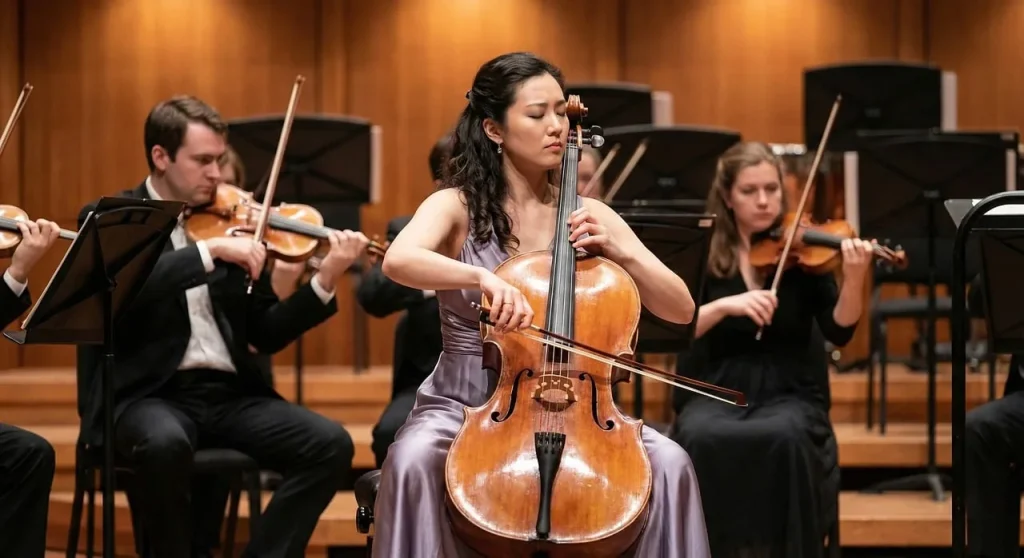
Classical music has a timeless quality. While musical trends constantly change, works composed more than two or three centuries ago still move millions of people around the world. Whether it is a powerful symphony, a virtuosic concerto or a simple piano prelude, this music seems to cross generations without losing its intensity. What explains its enduring appeal?
Music that expresses universal emotions
Despite a common misconception, classical music is not reserved for an elite. Above all, it speaks to deeply human emotions.
Joy, sadness, love, anger, nostalgia and hope all appear in the works of the greatest composers. Even without words, a symphony can tell a story and evoke images in a listener’s mind.
That is undoubtedly one of this music’s greatest strengths: everyone can bring their own imagination to it.
Composers whose work lives on
When we think of classical music, certain names immediately come to mind.
Johann Sebastian Bach still impresses us with the complexity of his compositions. Wolfgang Amadeus Mozart fascinates us with his ability to write remarkably rich works from an early age. Ludwig van Beethoven remains a symbol of perseverance: he composed some of his greatest works after losing his hearing.
Other composers, such as Frédéric Chopin, Pyotr Ilyich Tchaikovsky, Antonio Vivaldi, Claude Debussy and Maurice Ravel, each developed a distinctive musical world that continues to influence musicians today.
An immense influence on modern music
Many people think classical music belongs to the past. Yet it is everywhere in our daily lives.
Films regularly use classical works or draw on them for their soundtracks. Video game music often uses orchestration techniques developed by great composers. Even pop and rock sometimes borrow harmonic progressions or compositional techniques from the classical repertoire.
In the end, we hear far more classical music than we realize.
A different listening experience
At a time when songs often last three or four minutes, classical music offers a very different approach.
Some works last well over thirty minutes. They take time to develop a musical idea, build tension and then gradually resolve it.
This structure creates a more immersive listening experience. It asks for more attention but often rewards the listener with extraordinary emotional depth.
Why classical music can make us feel good
Many people choose classical music as a companion for reading, working or relaxing.
The absence of words in some pieces can make it easier to concentrate. Slower works can also bring a welcome sense of calm after a stressful day.
Of course, not all classical music is calm. Some symphonies and operas overflow with energy and power. This variety means everyone can find music to suit their mood.
How can you discover classical music?
Many people hesitate to explore classical music because they think it will be difficult to approach.
In fact, a few famous works make an excellent starting point:
- Vivaldi’s The Four Seasons.
- Beethoven’s Symphony No. 9.
- Debussy’s Clair de lune.
- Tchaikovsky’s Swan Lake.
- Chopin’s Nocturnes.
- Mozart’s Eine kleine Nachtmusik.
These great pieces of classical music offer a gradual introduction to different styles and sensibilities.
A living tradition
Contrary to what you might think, classical music is more than old scores.
Every year, new composers write original works, while orchestras around the world bring their own interpretations to the classics.
Symphony concerts still draw large audiences, and young musicians continue to study this demanding repertoire in conservatories.
This ongoing exchange between generations explains why classical music remains a living tradition rather than simply a legacy of the past.
Conclusion
Classical music continues to fascinate because it transcends trends and eras. Its harmonic richness, emotional power and remarkable variety allow it to reach very different audiences, even centuries after it was created. Whether you are a devoted listener or simply curious, taking time to hear a few great works can be a surprising experience. Behind every score lies an entire world that can carry the mind elsewhere without uttering a word.