
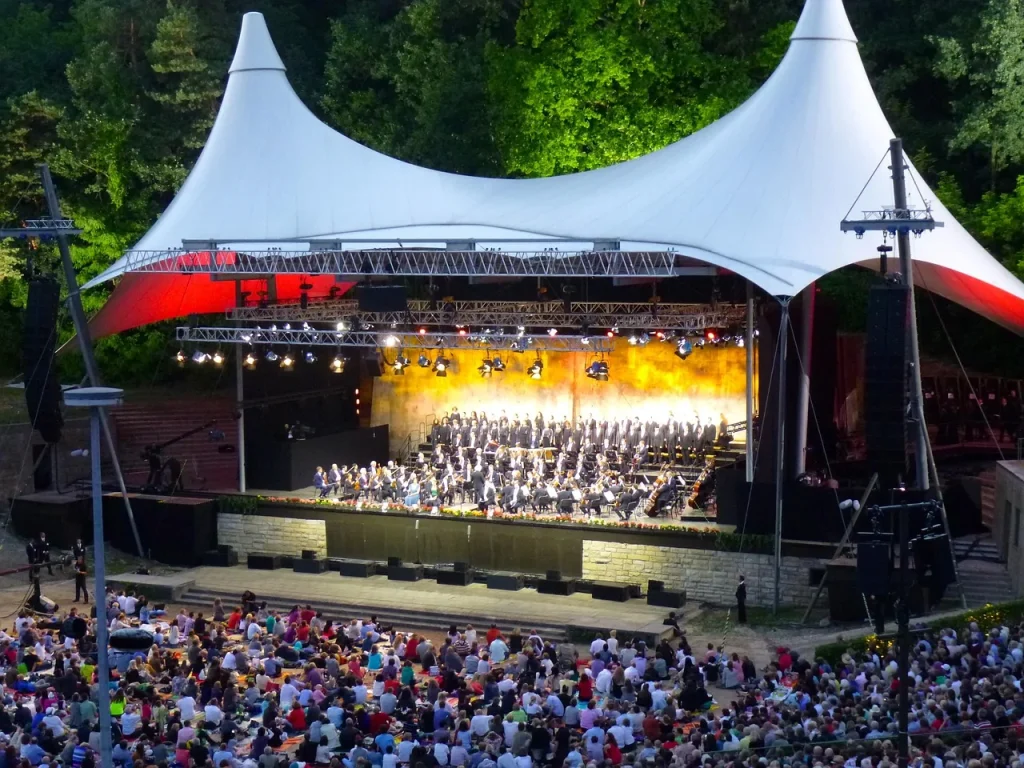
A symphony orchestra is a complex musical ensemble. It brings together musicians with varied talents to create rich music. With more than 80 musicians, it comprises strings, winds, and percussion.
Each section plays a key role in creating music. The musicians have different ages and backgrounds. They have studied at national or municipal conservatories.
This variety of instruments makes it possible to perform different styles. This richness can be heard in works by Mozart and Beethoven. For more information, read this article about the symphony orchestra.
What Is a Symphony Orchestra?
A symphony orchestra is an important ensemble in classical music. It brings together a large number of instruments, each with a particular role. The definition of a symphony orchestra emphasizes the ensemble’s size and the diversity of its instruments.
Definition and Characteristics
A symphony orchestra can have 100 musicians or more. It is led by a conductor, who coordinates the musicians. A philharmonic orchestra, for example, has more instruments, allowing it to perform a wider variety of music.
Different Types of Orchestras
There are several types of orchestras. A chamber orchestra, with 20 to 50 musicians, offers a more intimate experience. Symphony orchestras, meanwhile, perform grander works.
Here is a table comparing the characteristics of the different types of orchestras:
| Type of orchestra | Typical size | Repertoire |
|---|---|---|
| Chamber orchestra | 20 to 50 musicians | Intimate music, classical works |
| Symphony orchestra | 88 to 100 musicians or more | Classical and Romantic repertoire |
| Philharmonic orchestra | 100 musicians or more | Modern and classical works |
The musicians sit in a semicircle around the conductor. This arrangement creates a unique musical experience. Every instrument contributes to the richness of the sound.
For more information about the structure of a symphony orchestra and the roles within it, read this article about the makeup of orchestras.
Everything You Need to Know About the Makeup of a Symphony Orchestra
A symphony orchestra brings together many instruments. Each type of instrument plays a key role in the music. This diversity enriches the sound and creates a unique emotional experience. Orchestras generally comprise four main instrument families.
Instrument Families in an Orchestra
There are four main instrument families in a symphony orchestra:
- Strings: violins, violas, cellos, and double basses form the harmonic foundation.
- Woodwinds: flutes, oboes, clarinets, bassoons, and saxophones add nuance.
- Brass: trumpets, horns, trombones, and tubas add power and brilliance.
- Percussion: drums, timpani, xylophone, cymbals, and glockenspiel add rhythm and texture.
This structure makes the orchestra both complex and harmonious. It enables the ensemble to perform various musical styles. The first formal orchestra, the Twenty-Four Violins of the King, was established in France in 1577, marking the beginning of a rich tradition.
How the Makeup of Orchestras Has Evolved
Orchestras have evolved over the centuries. At first, they were often small. During the Romantic era, they grew and incorporated percussion and new instruments.
The twentieth century saw the emergence of orchestras with more than 100 musicians. Breton bagads, with 30 to 60 musicians, use a variety of instruments, including the bombarde.
Conductors play an essential role in this evolution. They adjust the placement of instruments to suit the music. Although the first violins are often on the left, conductors may experiment to achieve distinctive effects.
To learn more about the history of symphonies, this article explores works by Beethoven and Mozart and shows how symphony orchestras have evolved.
The Sections of a Symphony Orchestra
A symphony orchestra is divided into four main sections. Each plays a key role in the overall harmony. The string section is the heart of the orchestra and provides a strong harmonic foundation. The other sections, including the woodwind section, the brass section, and orchestral percussion, enrich its range of sounds.
Strings: A Strong Harmonic Foundation
The strings, which include violins, violas, cellos, and double basses, are essential. They create rich harmonies that form the orchestra’s foundation. They often play the main melodies and accompany the other sections.
Woodwinds: Distinctive Colors and Nuances
The woodwinds, which include flutes, oboes, clarinets, and bassoons, add distinctive colors. They play expressive melodies that contrast with the strings. These instruments often have solo parts.
Brass: Power and Brilliance
The brass, which includes trumpets, trombones, horns, and tubas, adds power and brilliance. It strengthens dramatic passages and adds grandeur to a work. Its rich sound enhances the listening experience.
Percussion: Rhythm and Texture
Percussion adds rhythm and texture to the music. It includes timpani, drums, and cymbals, among other instruments. It makes the music lively and engaging.
The orchestra’s sections work together to create a compelling sound. Musicians from different backgrounds are united by their passion for music. For more information, consult this useful source of information.
| Section | Main instruments | Role |
|---|---|---|
| String section | Violin, viola, cello, double bass | Harmonic foundation and main melodies |
| Woodwind section | Flute, oboe, clarinet, bassoon | Musical colors and nuances |
| Brass section | Trumpets, trombones, horns, tubas | Power and brilliance |
| Percussion | Timpani, drums, cymbals, marimba | Rhythm and texture |
The Conductor’s Role
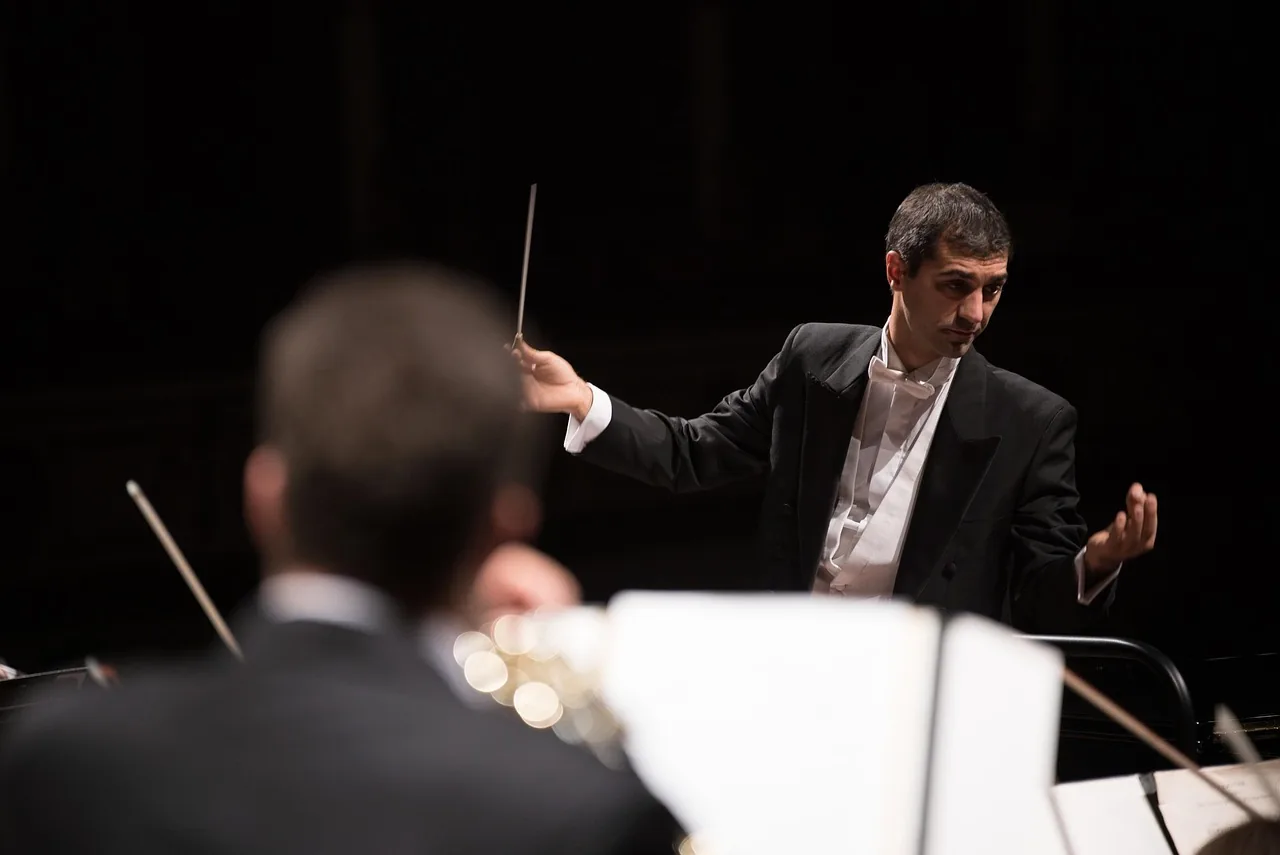
The conductor plays a crucial role in a symphony orchestra. They do much more than keep time: they maintain musical cohesion and lead the musicians. They must communicate clearly with them.
Duties and Responsibilities
The conductor’s main responsibilities are:
- Preparation: studying the score thoroughly and coordinating rehearsals.
- Rehearsals: leading sessions, resolving problems, and refining musical interpretations.
- Concert: leading the musicians in real time, using gestures and facial expressions to convey nuances.
The conductor uses gestures and signals to communicate tempo and nuances to the musicians.
The Importance of Musical Direction
Musical direction requires technical skill and the ability to inspire musicians. Communication between the conductor and the musicians is essential. A good conductor must make quick decisions to ensure a successful performance.
| Aspects | Details |
|---|---|
| Gestures used | Tempo cues, beat patterns, dynamic cues, expressive gestures |
| Stages of the work | Preparation, rehearsals, concert |
| Main tools | Gestures, facial expressions |
| Training | Courses in harmony, orchestration, and teaching methods |
Conclusion
The symphony orchestra combines creativity and discipline. Each section plays a key role in creating music. Strings, woodwinds, brass, and percussion create a unique artistic experience.
These instruments blend to bring musical works to life. They add colors and nuances that enrich the performance.
Since the time of Bach and Handel, the symphony has evolved. Ludwig van Beethoven played an important role in the nineteenth century. Modern compositions blend jazz and electronic music while respecting classical forms.
To learn more about the structure of classical symphonies, see this page.
The conductor plays an essential role in this process. Through communication and gestures, they guide the musicians, creating a harmony that makes the music timeless.