

The difference between a symphony orchestra and a philharmonic orchestra is fascinating. These two terms are often confused, but they have distinct origins and meanings. A symphony orchestra is characterized by its diversity and is often associated with an institution. A philharmonic orchestra, meanwhile, is defined by a community spirit and a tradition of musicians’ associations.
Philharmonic orchestras form around a shared passion for music. This creates a distinctive atmosphere at their concerts. Understanding these differences deepens our appreciation of classical music. To learn more about orchestras’ commitment, visit our site.
Understanding orchestras: an introduction
Orchestras play an essential role in music. There are several different types of orchestra. A chamber orchestra is small and performs intimate works. Classical orchestras, such as symphony orchestras, are larger and perform a broader repertoire.
In the Baroque era, orchestras brought together many instruments. Bach drew on this diversity in his Brandenburg Concertos. Instruments such as oboes and bassoons enriched their sound.
The Romantic era brought larger orchestras, which could have as many as eighty musicians. Strings, woodwinds and brass work together to create a distinctive sound. Classical orchestras emphasize the strings, while woodwinds add warmth.
Each type of orchestra has its own role. Whether it is a chamber orchestra or a large symphony orchestra, each offers a unique listening experience. Audiences can thus discover the richness of orchestral music.
Symphony orchestra: definition and characteristics
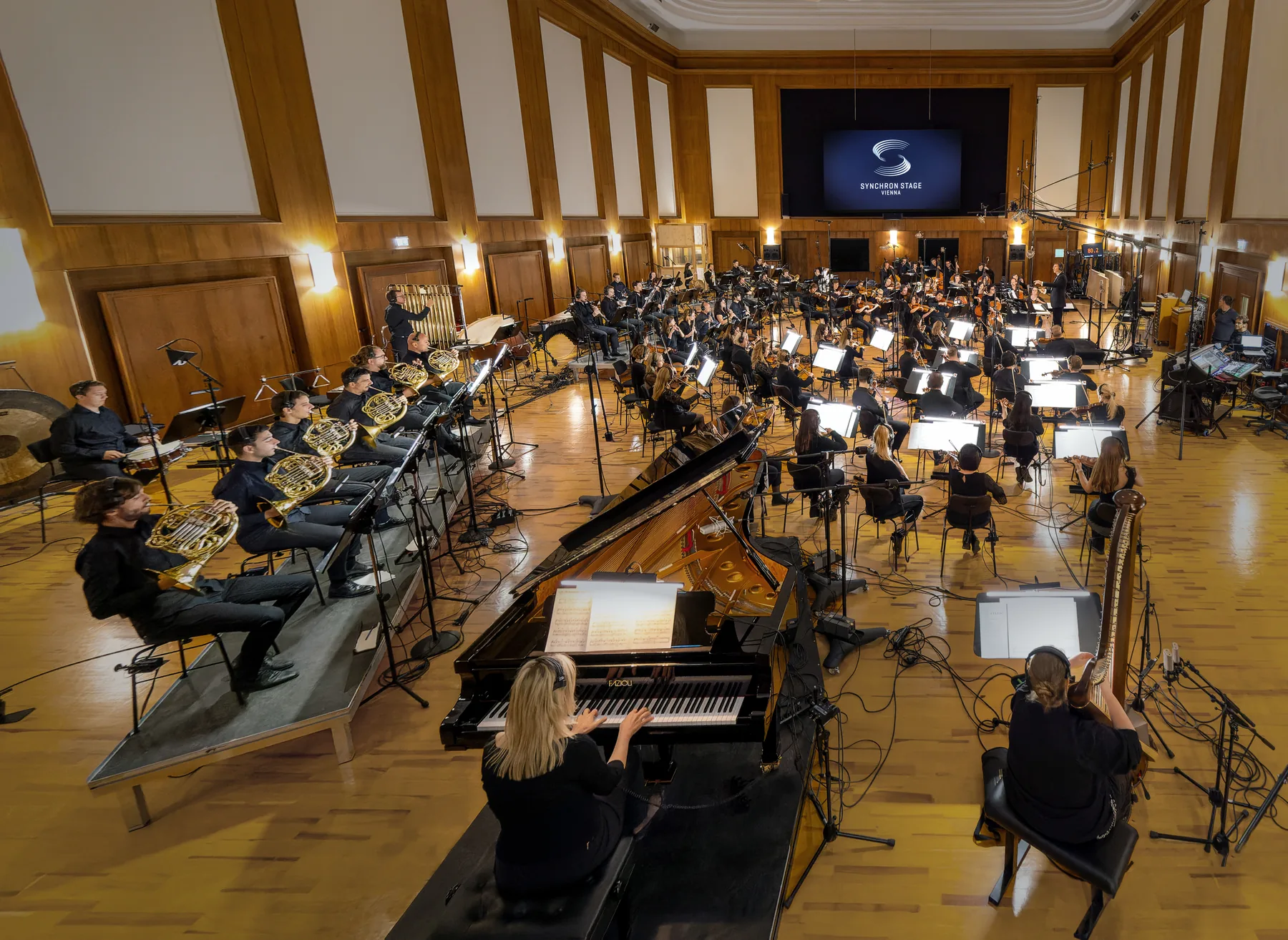
The symphony orchestra is a well-known ensemble in the field of classical music for symphony orchestra. It often has more than eighty musicians and can sometimes bring together over a hundred people for particular concerts. It includes many instruments, giving it a distinctive sound.
The instruments fall into four main groups:
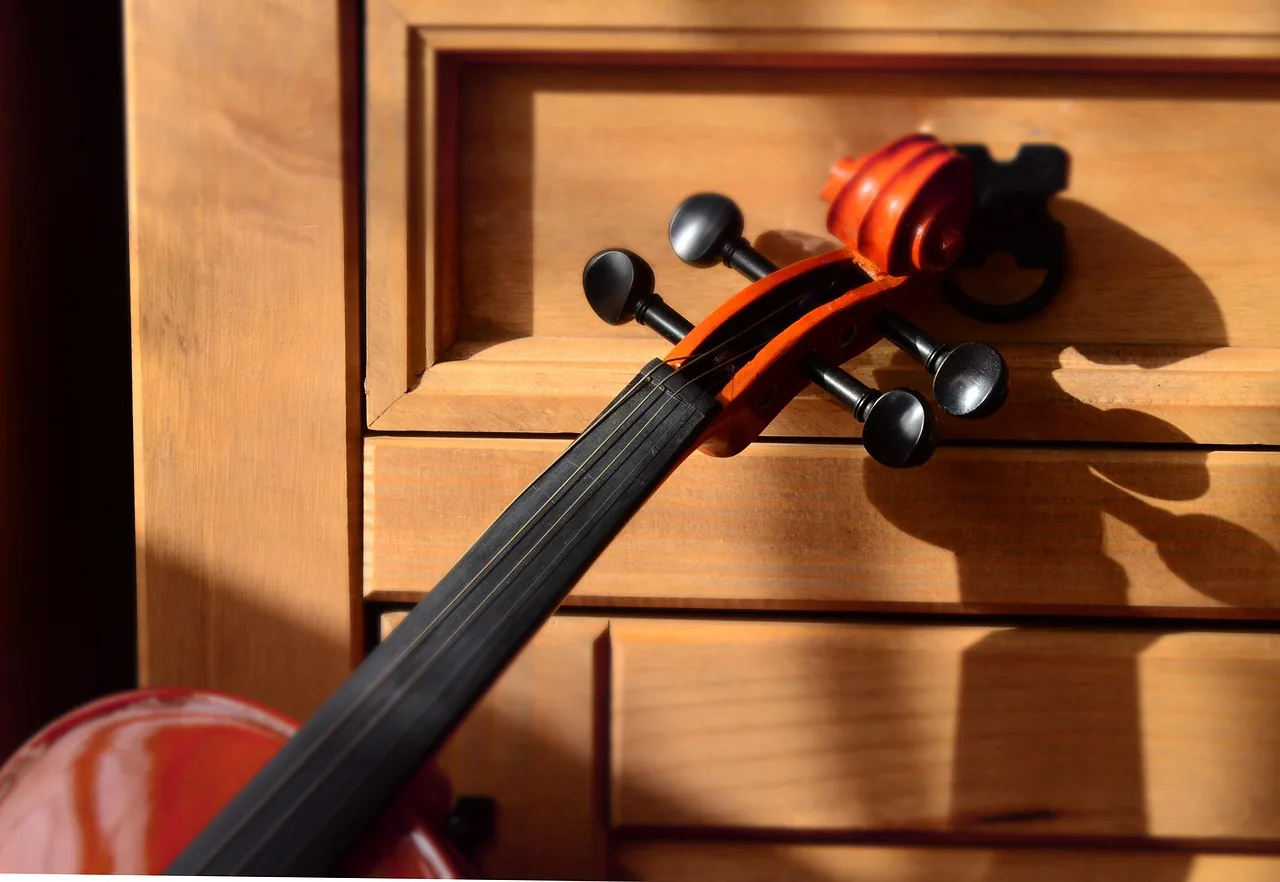
- String instruments: violins, violas, cellos, double basses and harps.
- Woodwind instruments: flutes, oboes, clarinets and bassoons.
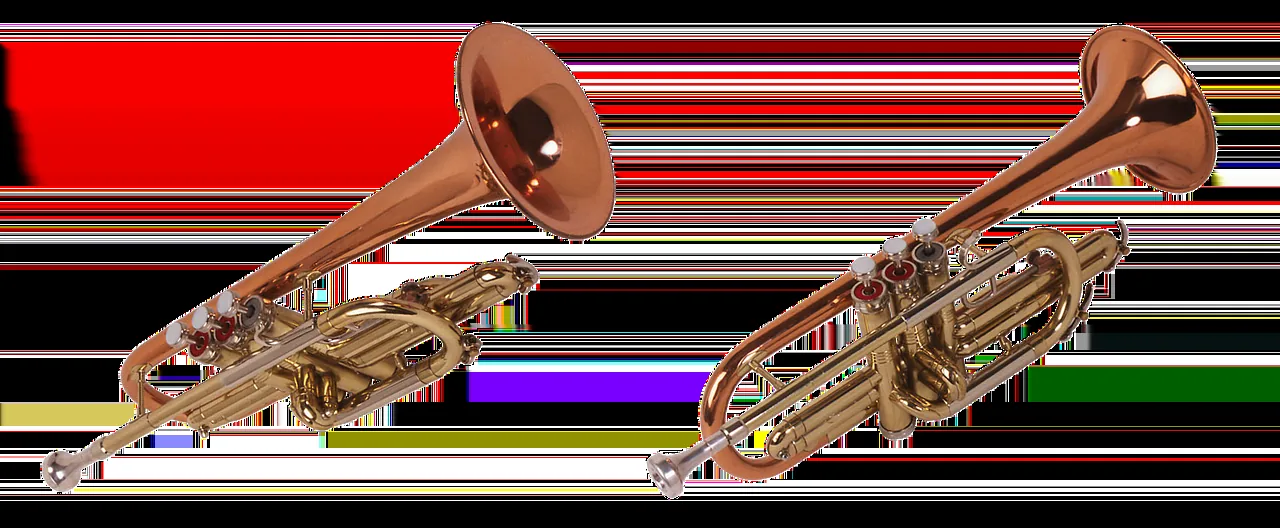
- Brass instruments: trumpets, trombones, horns and tubas.
- Percussion: timpani, cymbals, piano, xylophone and others.
Each section adds its own color to a work’s harmony. The history of the symphony orchestra shows how it has adapted to new musical trends. Composers such as Gustav Mahler and Richard Strauss called for larger ensembles.
The structure of the symphony orchestra makes it possible to perform major works of classical music for symphony orchestra. Its repertoire includes symphonies, concertos and modern pieces. Its wide variety of instruments makes it a central part of the musical world.
Philharmonic orchestra: meaning and history
The idea of a philharmonic orchestra holds an important place in the musical world. These ensembles arise from their members’ love of music. They aim to offer a rich and varied musical experience.
The first philharmonic orchestra was founded in the nineteenth century by music enthusiasts. The Berlin Philharmonic Orchestra, founded in 1882, is a famous example. It is renowned for the quality of its performances.
Philharmonic orchestras perform many kinds of music, from classical to modern works. Attending one of their concerts is an opportunity to discover historic pieces. To learn more, you can read this article about the history and meaning of orchestras.
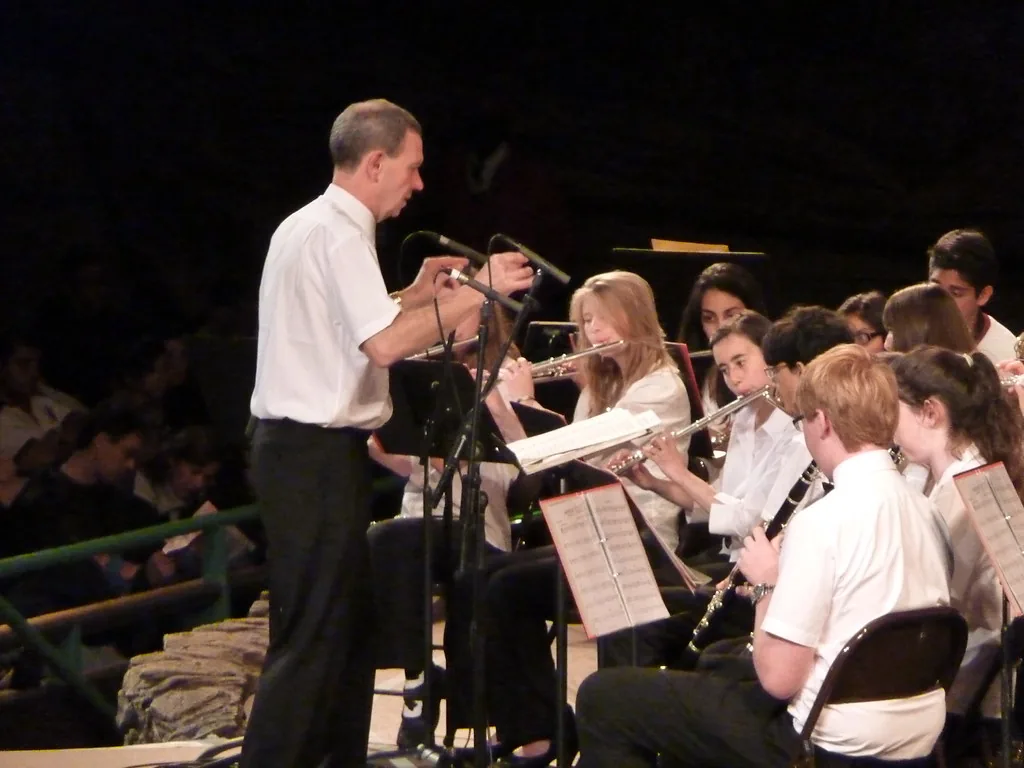
Conductors play an essential role. They lead the ensemble and bring the music to life. Their ability to coordinate and communicate with the musicians enriches the musical experience.
The evolution of orchestras shows that the term “philharmonic” evokes teamwork. This approach has given rise to a rich musical tradition.
| Key features | Philharmonic orchestra | Symphony orchestra |
|---|---|---|
| Membership | Musicians brought together in an association, often accompanied by a choir | May bring together more than 100 musicians to perform varied works |
| Repertoire | Major classical and contemporary works | Traditionally focused on works by classical composers |
| Notable example | Berlin Philharmonic Orchestra | Symphonies by Haydn and Wagner |
Symphony or philharmonic orchestra: what’s the difference?
The difference between a symphony orchestra and a philharmonic orchestra lies in their history and organization. Both terms have a rich history and specific uses. Exploring the difference between a symphony and a philharmonic orchestra helps us better understand their structure and role.
Etymology and history of the two terms
The word “symphonic” comes from the Greek “symphōnía,” meaning “agreement of sounds.” A symphony orchestra brings together strings, woodwinds, brass and percussion to create complex harmonies. It may have between 95 and 106 musicians, reflecting its scale and its ability to perform many kinds of music.
The word “philharmonic” comes from a love of harmony. The first philharmonic orchestras consisted of amateurs. They developed in the nineteenth century with the help of patrons. This development helped create lasting institutions with varied forms of management.
Differences in how orchestras are organized
Each orchestra’s management reflects its character. In a philharmonic orchestra, the conductor often performs several roles: facilitating access to instruments and keeping the tempo. A symphony orchestra, meanwhile, is often more professional and performs in theaters or opera houses.
Differences also appear in the use of string instruments. A philharmonic orchestra brings together four groups of instruments. A symphony orchestra draws on this variety to offer a distinctively rich sound. The importance of melody and harmony enriches their repertoires.
| Aspect | Symphony orchestra | Philharmonic orchestra |
|---|---|---|
| Etymology | Agreement of sounds | Love of harmony |
| Size | 95 to 106 performers | Similar size, often 80 to 100 performers |
| Structure | Strings, woodwinds, brass and percussion | Varied instrumentation, with an important place for strings |
| History | Became established as an institution in the eighteenth century | Amateur societies in the nineteenth century |
| Conductor’s role | Central artistic director | Facilitator and coordinator |
These features illustrate the difference between a symphony and a philharmonic orchestra through their organization and history.
Orchestral instrumentation: similarities and differences
Symphony and philharmonic orchestras differ in their instrumentation, which affects their sound and style. Symphony orchestra instrumentation includes four families of instruments: strings, woodwinds, brass and percussion. Each family contains at least four instruments, contributing to a richly varied sound.
The strings include violins, violas, cellos and double basses. The woodwinds include flutes, oboes, clarinets and bassoons. Together, these families create a distinctive harmony.
Typical makeup of a symphony orchestra
A symphony orchestra follows a well-defined seating arrangement. The strings sit at the front, with the woodwinds in the middle. The brass and percussion are placed at the back or sides.
This arrangement helps project the sound. Brass and percussion bring power and depth to the music.
Richer instrumentation in the philharmonic orchestra
A philharmonic orchestra has richer instrumentation. It may include instruments such as the harp and more brass instruments. These additions make the music more complex and expressive.
The variety of instruments makes it possible to explore new nuances and enriches the musical repertoire. To learn more, see this example of instrumentation.
Orchestral repertoire
An orchestra’s repertoire plays a crucial role in its identity and performances. Symphony and philharmonic orchestras have different repertoires. Symphony orchestras often perform classical and Romantic works. Philharmonic orchestras, meanwhile, emphasize modern repertoire.
Classical and Romantic music for symphony orchestra
Symphony orchestras have more than eighty musicians. They perform classics such as Beethoven’s symphonies and Wagner’s works. This profound music offers audiences a unique experience and showcases the musical heritage of past centuries.
The importance of modern repertoire for philharmonic orchestras
Philharmonic orchestras, such as the Radio France Philharmonic Orchestra, favor contemporary works. Their modern repertoire attracts new audiences. They combine tradition and innovation to offer a rich and varied musical experience.
The world’s greatest orchestras: examples and reputations
Many orchestras are known worldwide for their talent. Some symphony orchestras are especially famous, as are some philharmonic orchestras. Each has its own history and makes a distinctive contribution to classical music.
Famous symphony orchestras
The Boston and Chicago symphony orchestras are highly regarded. They are known for performing music in a variety of styles. Their collaborations with leading conductors further strengthen their reputations.
Renowned philharmonic orchestras
The Vienna and Berlin philharmonic orchestras are highly esteemed. Their long histories have earned them great respect. Collaborations with renowned conductors further enhance their prestige.
Conclusion
The difference between a symphony and a philharmonic orchestra rests on organization and repertoire. These aspects are essential to fully appreciating classical music. Symphony orchestras often focus on classical and Romantic repertoire. They offer a rich and distinctive musical experience.
Philharmonic orchestras, meanwhile, stand out for their musical variety. They perform both classical and contemporary works. This distinction matters to music lovers and newcomers alike.
Knowing the characteristics of these ensembles deepens our understanding of music. Concerts at the Philharmonie de Paris are an ideal opportunity to discover this difference.
We encourage you to explore their different repertoires. Attending concerts is essential for better understanding the nuances between orchestras.
Music offers a unique experience. Each note has a particular effect depending on the orchestra. Embrace the experience.
FAQ
What is the difference between a symphony orchestra and a philharmonic orchestra?
What is a symphony orchestra?
What does “philharmonic orchestra” mean?
How are symphony and philharmonic orchestras organized?
What is the typical instrumentation of a symphony orchestra?
Do philharmonic orchestras have different instrumentation?
What kind of repertoire do symphony orchestras perform?
What is the contribution of the greatest symphony and philharmonic orchestras?
Source links
- https://www.classicfm.com/discover-music/difference-symphony-philharmonic-orchestra/
- https://www.lso.co.uk/learn-and-discover/digital-activities-and-resources/how-to-build-an-orchestra/
- https://human.libretexts.org/Bookshelves/Music/Music_Appreciation/Music_Appreciation_II_%28Kuznetsova%29/07%3A_Musical_Ensembles_Attending_Concerts/7.02%3A_Symphony_Orchestras
- https://www.carnegiehall.org/Education/Programs/Link-Up/New-York-City/Instrument-Families