
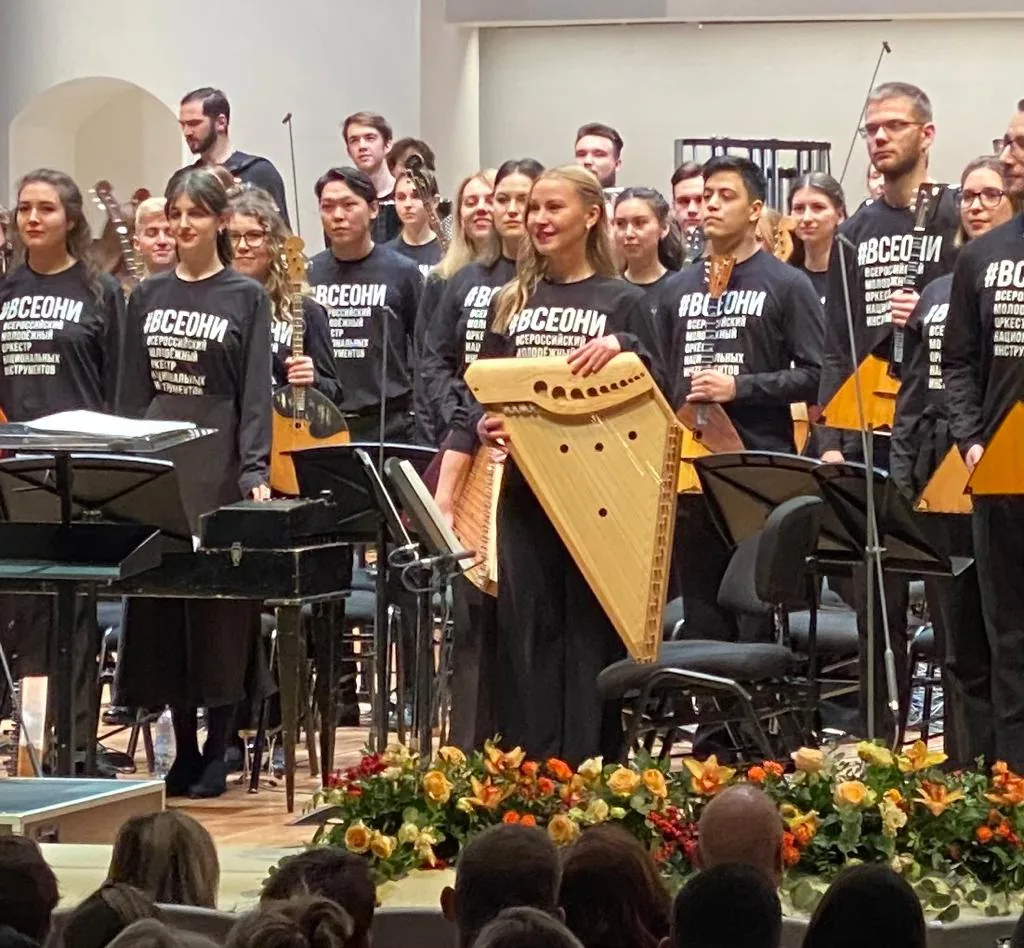
How can you obtain a grant?
To obtain a grant, it is essential to follow a rigorous application process. First, contact the Ministry of Culture or its regional office to identify the services responsible for the relevant field. These services can provide the necessary information and guide applicants through the process.
Once you have identified the relevant services, it is time to prepare the grant application. It should have an accurate budget, be clearly presented, and be written without spelling errors. It should also provide credible, detailed information about the planned expenses and the project’s objectives. A strong, well-prepared application is essential to persuade the committee to award the grant.
Reviewing applications can take time because committees do not meet frequently. It is therefore advisable to submit the application early enough for it to be reviewed promptly. Other factors that may influence the committee’s decision, such as current fashions and trends, should also be considered.
By following the grant application process and preparing a strong proposal, it is possible to obtain the funding needed to carry out a classical music project.
Example of a grant application
| Section | Description |
|---|---|
| Project title | Classical music concert for young people |
| Project description | Organize a series of classical music concerts designed especially for young people to spark their interest in the genre and introduce them to classical instruments and composers. |
| Projected budget |
|
| Objectives |
|
“Preparing a strong, well-constructed application is essential to improving your chances of obtaining a grant for classical music.” — Expert in cultural funding
The role of corporate patronage
Corporate patronage plays a crucial role in funding classical music. Companies can provide financial support for music projects and make staff and technology available. Through patronage, they can contribute to cultural life while strengthening their brand image. Although the commercial returns are often negligible, cultural spending has a positive effect on a company’s image.
Companies can tailor their patronage to their expertise and interests. For example, a company specializing in musical instruments may support training projects for young musicians or classical music festivals. The benefits of corporate patronage also extend to other forms of artistic and cultural expression.
By engaging in cultural patronage, companies can help develop classical music and actively preserve cultural heritage. Patronage funds projects that might never happen without companies’ financial support. It gives them a way to participate in the creation and presentation of classical music and to play an active role in promoting culture.
| Benefits of corporate patronage for classical music funding | Examples of patronage activities |
|---|---|
| Financial support for music projects | Funding a symphony orchestra |
| Providing staff and technological resources | Making a recording studio available |
| Strengthening the company’s brand image | Supporting a classical music festival |
Corporate patronage gives companies an opportunity to take part in cultural life and provide financial support for music projects. By contributing to classical music, they help preserve cultural heritage and strengthen their brand image.
Foundations and endowment funds
Foundations and endowment funds play an essential role in funding classical music. In France, more than 5,300 foundations and endowment funds are active. These organizations support social initiatives, arts and culture, health, education, and the environment. Their financial commitment helps promote and develop classical music.
| Foundation name | Area of activity |
|---|---|
| XYZ Foundation | Arts and culture |
| ABC Foundation | Music education |
| DEF Foundation | Support for young musicians |
Foundations recognized as serving the public interest can receive donations and bequests. They can also appeal to the public for contributions to support their work. Hosted foundations, meanwhile, operate under another foundation recognized as serving the public interest. These different structures diversify sources of classical music funding and encourage civil society to become involved.
“Foundations and endowment funds play an essential role in funding classical music by helping to support social initiatives, arts and culture, health, education, and the environment.”
Funding from foundations and endowment funds can take several forms: grants, scholarships, artist residencies, or partnerships. This support enables musicians and music institutions to develop projects, bring classical music to a broad audience, and help sustain the art form.
Caisse des Dépôts and music patronage
Caisse des Dépôts plays an essential role in providing financial support for music patronage in France. It helps young ensembles that have existed for less than ten years become more professional by awarding them grants. Thanks to this financial support, many emerging talents have been able to develop their skills, tour, and reach wider audiences.
In addition to supporting young ensembles, Caisse des Dépôts promotes music projects for young audiences. This initiative aims to inspire children and young people to pursue music by offering them enriching, accessible musical experiences. Caisse des Dépôts recognizes the importance of encouraging younger generations to take an interest in classical music and become its future listeners and performers.
To receive financial support from Caisse des Dépôts, organizations and music projects must meet certain conditions. They must qualify under the tax rules for patronage and serve the public interest. This means that projects must have a clear cultural or educational purpose and make a meaningful contribution to society’s musical and cultural life.
Through its commitment to music patronage, Caisse des Dépôts plays a key role in funding and promoting classical music in France. Its financial support has enabled many young ensembles to carry out their projects and reach wider audiences. Its initiative for music projects for young audiences also helps inspire future musicians and nurture tomorrow’s listeners and performers.
Financial support from Caisse des Dépôts
| Types of financial support | Eligibility requirements |
|---|---|
| Grants for young musical ensembles | In existence for less than ten years |
| Music projects for young audiences | Qualify under the tax rules for patronage and serve the public interest |
Conclusion
Classical music funding relies on patronage, public grants, and foundations. Grants are awarded on the basis of proposed projects and submitted applications, while patronage allows companies to provide financial support for music projects. Foundations and endowment funds also help develop patronage and support social initiatives, arts and culture, health, and education.
Cooperation among the sector’s various participants is essential to the survival and development of classical music. The Ministry of Culture and local authorities play a key role in awarding grants, while companies can provide financial support for music projects or make staff and technology available.
Through its music patronage, Caisse des Dépôts specifically supports young ensembles and music projects for young audiences. Its financial support helps young musicians develop professionally and nurtures future audiences. To receive support from Caisse des Dépôts, organizations must qualify under the tax rules for patronage and serve the public interest.
FAQ
How can you obtain a grant?
To obtain a grant, contact the Ministry of Culture or its regional office and consult the services responsible for the relevant field. It is important to prepare an application with an accurate budget, a clear presentation, impeccable spelling, and credible figures. A committee reviews the application and often makes its decision based on how it is presented. Submit it well in advance because committees do not meet frequently. Other factors, such as current fashions and trends, may also influence their decision.
What is the role of corporate patronage?
Companies play an important role in funding classical music through patronage. They can provide financial support for music projects or make staff and technology available. Patronage allows them to contribute to cultural life while strengthening their brand image. Commercial returns are often negligible, but cultural spending has a positive effect on a company’s image. Some companies tailor their patronage to their expertise and interests.
What is the role of foundations and endowment funds?
Foundations and endowment funds play an essential role in funding classical music. In France, more than 5,300 foundations and endowment funds are active. Foundations mainly support social initiatives, arts and culture, health, education, and the environment. Foundations recognized as serving the public interest can receive donations and bequests and appeal to the public for contributions. Hosted foundations operate under another foundation recognized as serving the public interest. Endowment funds, established under a 2008 law, also help develop patronage.
What is the role of Caisse des Dépôts in music patronage?
Caisse des Dépôts provides financial support for music patronage by helping young ensembles that have existed for less than ten years become more professional. It also supports organizations that identify, train, and promote young musicians. Since 2019, Caisse des Dépôts has extended its patronage to music projects for young audiences to inspire future musicians and nurture tomorrow’s audiences. To receive its support, organizations must qualify under the tax rules for patronage and serve the public interest.