
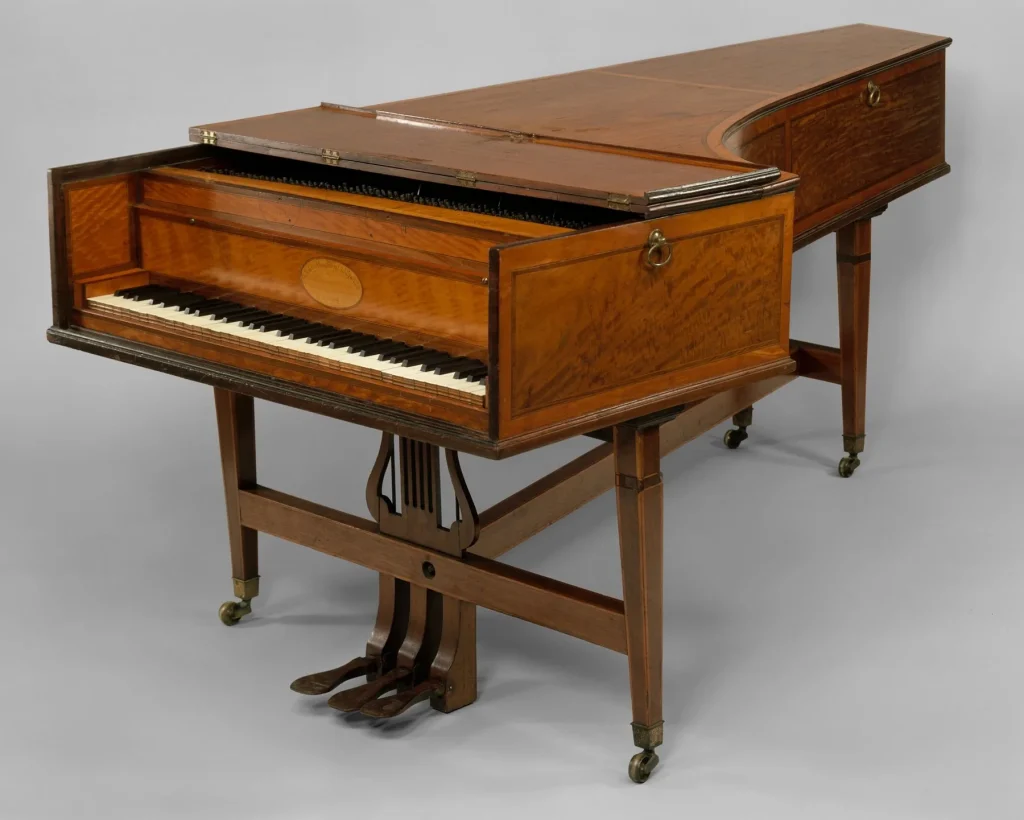
Classical music offers a rich historical legacy, with varied styles and techniques ranging from Baroque to contemporary music. If you have always been fascinated by works by famous composers such as Franz Schubert and Ludwig van Beethoven, it is an ideal place to start. Here are its benefits and the best way to begin learning it.
A musical genre with deep roots
Classical music has evolved over centuries, from the Baroque period (around the 17th century) to contemporary music. Each era has contributed to this musical heritage, creating an exceptionally varied repertoire.
For example, works by composers such as:
- Bach;
- Mozart;
- and Beethoven are timeless and continue to influence modern music.
As you begin learning classical music, you may discover accessories such as rosin along the way. Lessons at home will also help you gradually learn the composition techniques that form the foundations of this musical genre.
Developing musical skills
- Classical music requires beginners to practise diligently to develop their musical skills. During your lessons at home, you will have the opportunity to work on theoretical foundations such as:
- music theory;
- reading sheet music;
- and understanding harmonic structures.
These foundations are essential for progressing in this style. The classical repertoire also demands considerable discipline, as demonstrated by the versatile, perfectionist musicians mentioned earlier.
How do you get started with classical music?
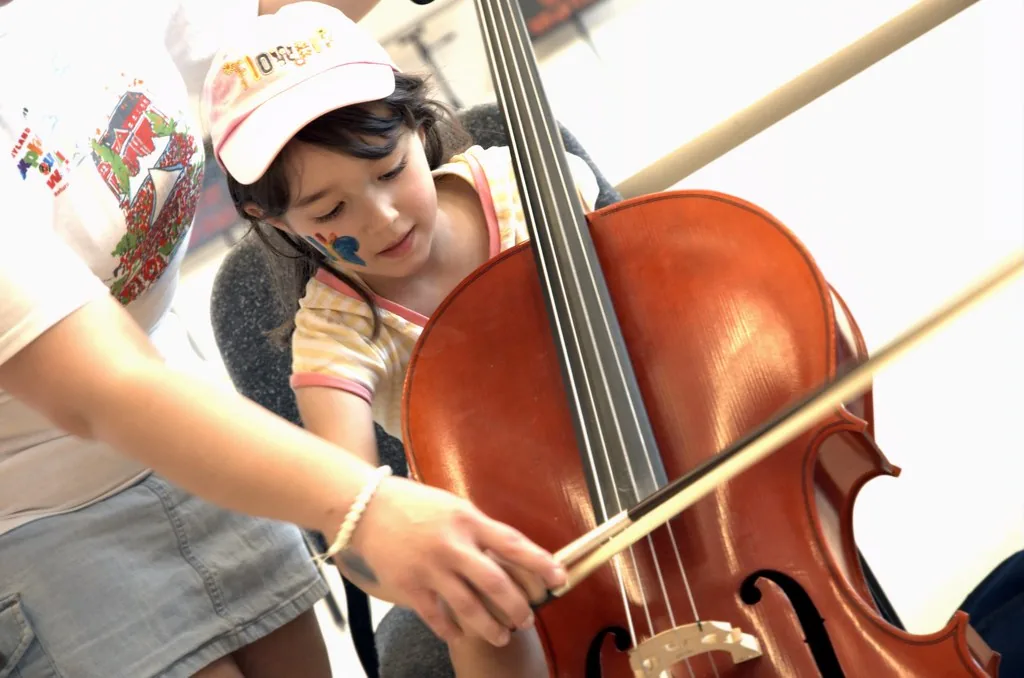
Choosing an instrument is the first step towards getting started with classical music. You have a wide range of instruments to choose from. The most common are:
- the piano;
- the violin;
- the flute;
- and the cello.
If you choose a string instrument such as the violin, you will need to learn to use accessories such as rosin. It helps the bow grip the strings properly to produce a clear sound. We encourage you to explore each instrument with your classical music teacher before deciding.
A music teacher at home to help you get started with confidence
The second step is to hire a classical music teacher. Their expertise is valuable as you progress. They will help you learn at a suitable pace with guidance tailored to you. In particular, they will teach you the technical basics and guide you through the classical repertoire.
Discovering the great works of the classical repertoire
From the start of your studies, try to become familiar with the great works of the classical repertoire. We encourage you to learn well-known pieces from each period gradually. This overview will help you improve your technique and understand the different styles and sensibilities of the composers.
Practising regularly
Regular practice is also essential as you begin your musical journey. Set a daily practice schedule with your music teacher, even if the sessions are short, so that you maintain a steady routine. We also recommend developing your active listening skills.
This is an excellent way to train your musical ear. For example, try analysing recordings by great performers to hear how they use the nuances and subtleties of each piece. Together, these approaches will help you become a capable musician over the coming months.