
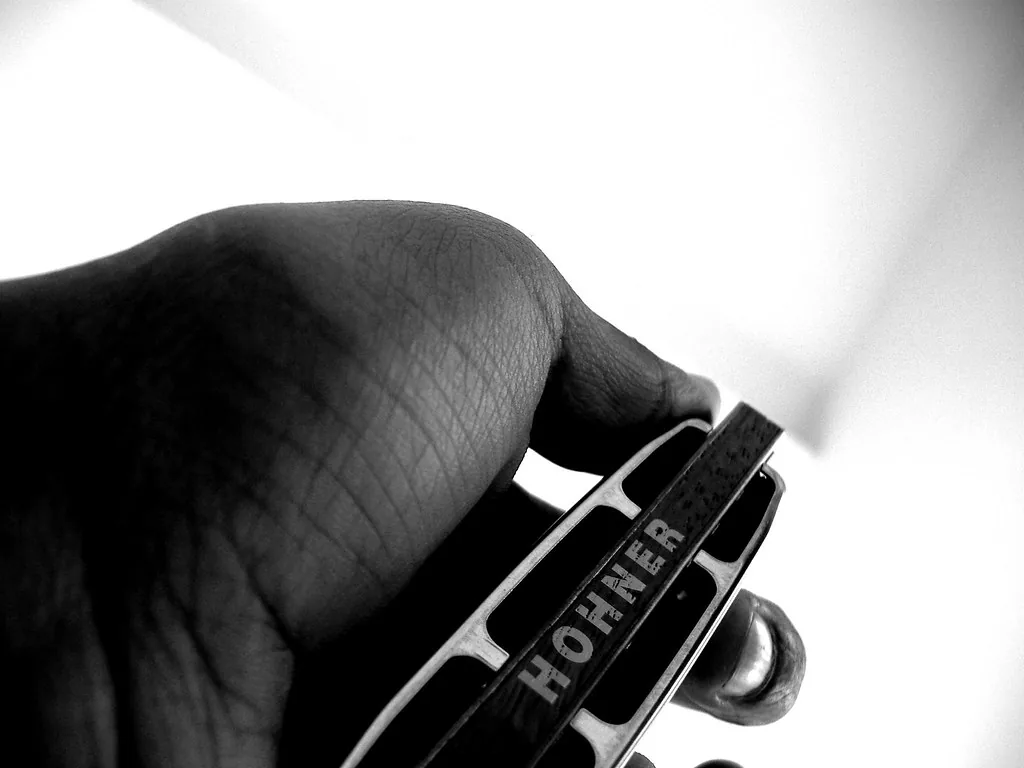
This comprehensive guide helps parents choose a small instrument for a young beginner.
Easy to play from the first few minutes, this pocket-sized instrument appeals to children because it is portable and suits many styles: blues, rock, jazz, and country.
We cover simple criteria to consider: ergonomics, material, key (B♭ or C), and recommended models such as the Hohner Golden Melody, Special 20, Lee Oskar, Rocket Progressive, and Suzuki HA-20.
The aim is clear: avoid frustration, manage your budget, and make playing enjoyable right away. A good first choice speeds up progress and strengthens the desire to practice.
To learn more, follow our detailed guide to keys, instrument types, repertoire, and practice routines.
Why the harmonica is an excellent first instrument for a child
A little breath can open up a world of music: an ideal instrument for early discoveries. The harmonica produces a sound immediately, which quickly reassures a young beginner.
A small musical instrument for big styles: blues, rock, jazz, and folk
This small instrument can play blues, rock, jazz, folk, and country tunes. It encourages musical curiosity by opening up several styles without too much complexity.
Portability, immediate enjoyment, and early successes for beginners
Portability is a strength: it fits in a pocket and can go anywhere. Because it is easy to make a sound, a child can quickly play clear notes, building confidence.
Early successes—blues riffs or familiar melodies—are tangible achievements. The cost remains reasonable compared with other instruments, and learning develops the ear, breathing, and sense of rhythm.
Finally, it is a sociable instrument: playing along with an audio track or with family keeps practice enjoyable and encourages playful improvisation. This short guide explains why it appeals to so many young players.
Harmonica for children: how to choose one and keep them motivated
Before buying, decide what you expect from this first instrument. Set three simple goals: musical discovery, short daily sessions, and lasting enjoyment. These guide your choice and help prevent frustration.
Match the model to the child’s age and build: hand size, mouthpiece comfort, and sensitivity to high sounds vary. An instrument that is too thick or poorly finished can be awkward to hold and discourage the child.
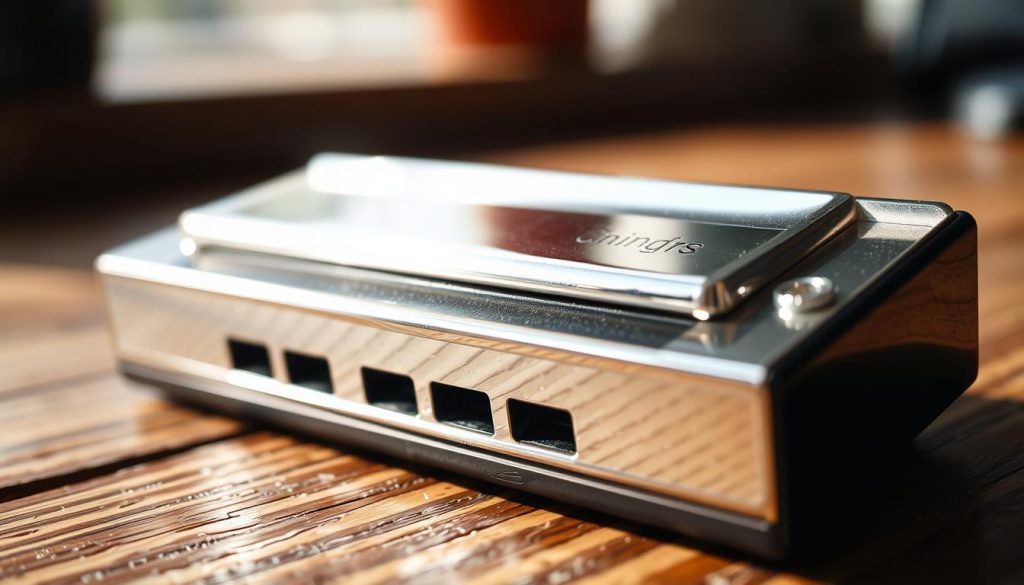
Teachers advise against buying just any model: some are out of tune, have sharp edges, or have unresponsive reeds. These flaws cause weak notes, uncomfortable movement across the lips, and minor injuries.
- Watch your child as they play: notice their posture, comfort, and enjoyment.
- Choose a reliable, proven model instead of trying several unsuitable ones.
- Support their first steps with short lessons or suitable videos, without pressure.
A good first purchase saves time and money. For practical advice on choosing an instrument, see this instrument selection guide.
Diatonic or chromatic: which type of harmonica should a beginner child choose?
Depending on the style they want to play, each type can open up different possibilities from the first lessons.
Diatonic: expression and note bending
The diatonic harmonica is often the most intuitive for beginners. It is light, highly expressive, and lets players practice bends to reach the full scale.
Ideal for blues, country, and folk, it encourages improvisation and voice-like effects.
Chromatic: a button for access to every note
The chromatic harmonica has a sliding button that mechanically provides access to every semitone.
Often available in the key of C, this type suits jazz, classical music, and precise melodies. Reliable examples include the Hohner Chromonica 270 Deluxe, Suzuki SCX-48, and Easttop T-12.
Which choice suits your child?
If your child likes improvising and playing different styles with expressive effects, choose a diatonic model.
If they prefer clear melodic lines or jazz, consider a chromatic model.
Conclusion: both paths are worthwhile. What matters most is enjoyment and lasting motivation.
Key and scale: C or B♭ for the first steps
The starting key determines which pieces are accessible and can make learning easier.
Why C remains a standard teaching key
The key of C is the basis of many lessons and scores. It makes learning resources easier to use, especially for a chromatic instrument used in class.
Early children’s songs and exercises are often in C. This helps beginners understand the scale and notes without added complications.
Benefits of B♭ for diatonic playing
B♭ has a warmer, rounder tone. Teachers often recommend this key for blues, jazz, or rock.
Bends can feel more natural on it, speeding up learning and making playing more comfortable.
Choosing a key and planning progress
If your child takes structured lessons, start with C, especially for a chromatic harmonica. If the goal is blues, jazz, or rock, consider a diatonic harmonica in B♭.
Plan to buy a second key later to broaden the repertoire and play along with more backing tracks.
| Key | Recommended use | Main advantage |
|---|---|---|
| C | Chromatic harmonica, beginner lessons | Abundant learning resources |
| B♭ | Diatonic, blues, jazz, and rock | Warm sound, easier bends |
| Second purchase | Complement the first instrument | More compatible backing tracks and a wider repertoire |
To compare a few models suitable for beginners, see our guide to the best beginner harmonica.
Essential selection criteria: ergonomics, smoothness, thickness, and accurate tuning
Comfort and ease of holding the instrument often determine whether a young musician keeps playing.
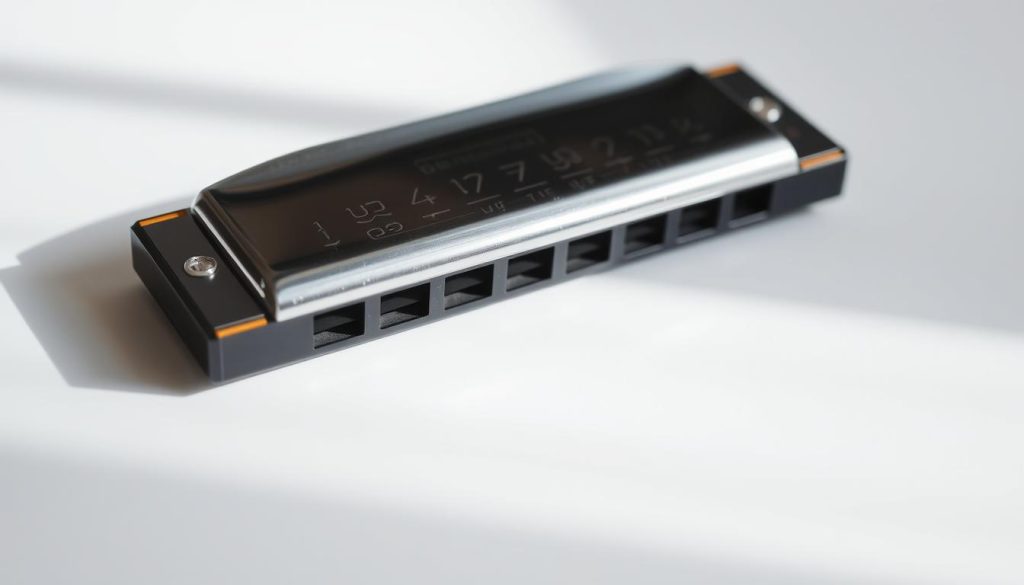
Shape and comfort
Look for rounded covers and smooth corners. They make the instrument easier for small hands to hold.
Sharp edges make it awkward to hold, can cause injuries, and interfere with control of the instrument.
Movement across the lips and mouthpiece
The covers should slide across the lips without friction. Smooth movement helps maintain a steady mouth position.
Poorly designed models make practice frustrating and reduce the desire to repeat exercises.
Tuning, reeds, and breath control
Responsive reeds and accurate tuning make it possible to play notes without forcing the breath. This builds confidence.
Check the quality of the tuning before buying: a cheap instrument that is out of tune wastes time.
Materials and weight
A plastic comb (around 50 to 60 g) is light; metal is heavier; wood can warp over time.
Material affects comfort more than sound. For example, the Golden Melody and HA-20 are very rounded; the Lee Oskar and Special 20 can feel more angular; and the Rocket Progressive is comfortable.
- Consider the balance between price and reliability: a dependable entry-level model is better than an extremely cheap product.
- Try holding the instrument when possible, or consult feedback from teachers.
Recommended models for beginner children
Here is a selection of tried-and-tested models that make getting started easier. These instruments offer a good balance of quality, comfort, and price. They help beginners play clear notes from their first sessions.
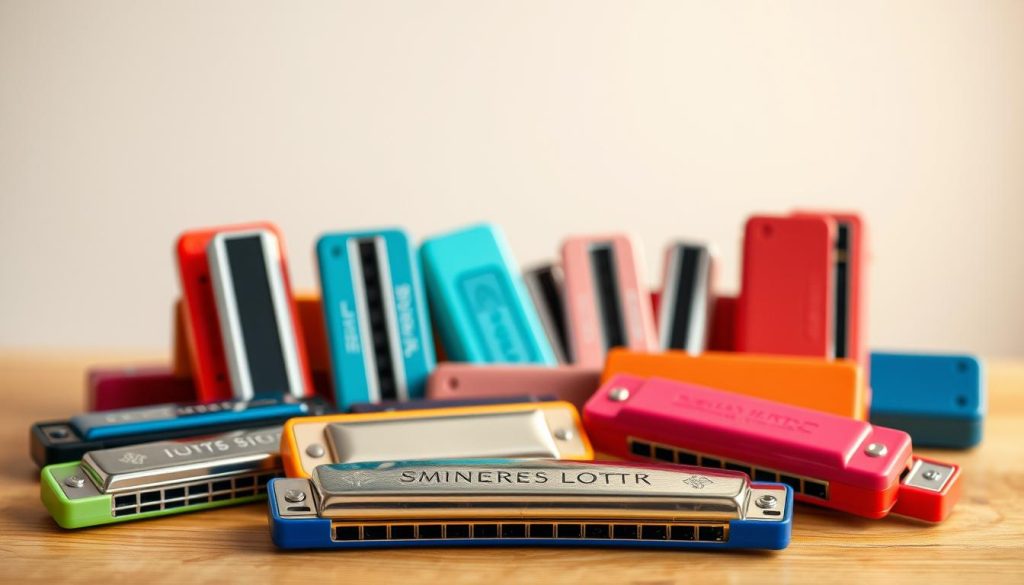
A great start on a small budget
Three reliable beginner models are the Hohner Golden Melody (rounded covers and excellent comfort), Hohner Special 20 (a proven classic), and Lee Oskar Major Diatonic (sturdy construction).
These models are affordable, easy to hold, and suitable for several common styles, including blues.
An affordable step up
The Hohner Rocket Progressive offers greater projection and carefully designed ergonomics. It suits a student who is progressing and wants more dynamic range.
Higher quality and room to grow
The Suzuki Hammond HA-20 is a step up, with a careful finish, stable tuning, and rich tone. It is a worthwhile investment if your child shows enthusiasm.
- Key: for a diatonic model, consider B♭ if the goal is blues, jazz, or rock; otherwise, C is practical for following lessons.
- Comfort: the Golden Melody is very rounded; the Rocket is designed to be easy to hold; the HA-20 is heavier but stable.
- Practical tip: buying a reliable model avoids unpleasant surprises; add a second key after a few weeks.
For a broader overview of wind instruments and buying considerations, see this useful guide: which musical wind instrument to choose.
Styles and repertoire: help children enjoy the instrument from day one
Starting with short pieces turns practice into play and brings early successes. A suitable repertoire helps a child remember the notes and enjoy playing every day.
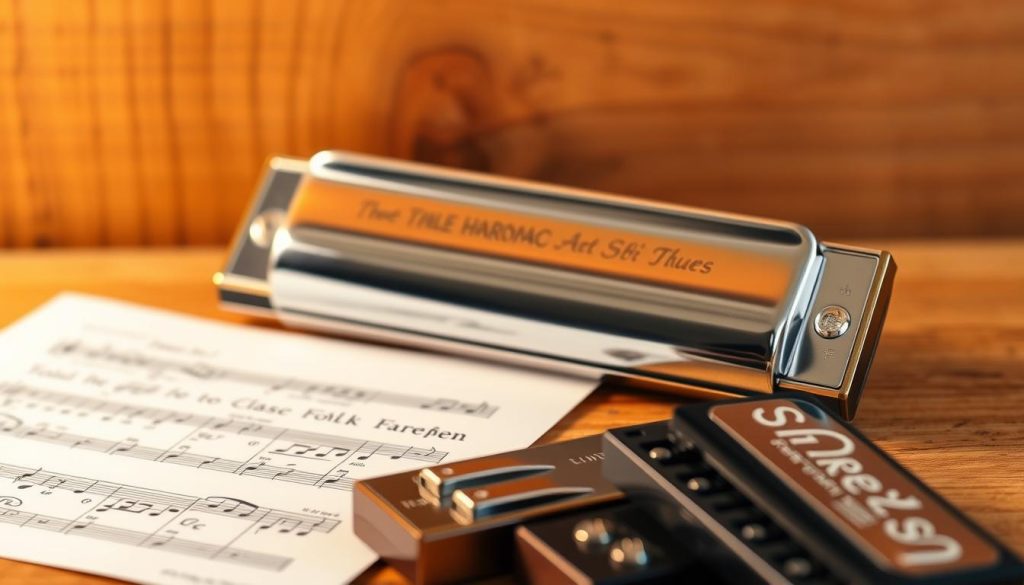
Blues and rock: easy riffs to play every day
Short riffs, repeated three times per session, help children master rhythm and breathing. These musical phrases make progress noticeable within a few days.
Folk and songs: familiar melodies to remember the notes
Learning familiar tunes strengthens recognition of scales. Repeating one melody each week brings tangible results.
Discovering jazz: simple phrases and playful swing
Introduce jazz through short call-and-response phrases. Swing develops the ear without complicating technique.
“Playing with a backing track turns practice into a little performance.”
- Playful start: one riff a day to work on the beat.
- Backing tracks: use accompaniment tracks to create the feel of a concert.
- Progress: start with a comfortable scale and adjust the difficulty.
- Models: all the diatonic models mentioned are suitable; the key guides the choice of pieces.
By exploring different styles—blues, rock, folk, and jazz—a child discovers that the instrument can be played in many musical settings. This variety keeps playing enjoyable and encourages regular practice.
Learning to play: small habits, lessons, and resources
Small habits make progress a regular pleasure.
Set aside 10 to 15 minutes each day. Begin with a breathing warm-up, how to hold the instrument, and three selected notes.
Record a short session each week. These audio or video recordings show progress and help identify mistakes.
Resources and progress tracking
Choose age-appropriate lessons with simple goals and positive feedback. Reliable instructional videos help structure practice sessions.
Progress step by step: clear articulation, breathing through the nose and mouth, then gradual note bending for the diatonic harmonica or coordination of the slide button for the chromatic harmonica.
- Use backing tracks to practice tempo and enjoy playing.
- Keep a chart of achievements.
- Join online communities to exchange tips and examples.
“A riff repeated three times, a short melody, then attentive listening: small habits that make all the difference.”
| Goal | Duration | Tools | Expected result |
|---|---|---|---|
| Breathing warm-up | 3 min | Guided audio exercises | Breath control |
| Focused technique | 7 min | Video and simple sheet music | Improved note attack |
| Playing with accompaniment | 5 min | Backing track | A steady beat and enjoyment |
| Recording | 1 to 2 min | Phone or voice recorder | Progress tracking |
Care, hygiene, and instrument longevity
A few regular steps are enough to keep the sound clear and reliable. Simple care extends the instrument’s life and preserves its sound quality.
Cleaning after each session and storage
Gently tap the instrument to remove moisture. Wipe the covers with a clean, dry cloth.
Then put it in its case. This protects it from knocks and dust, especially in a child’s bag.
Avoid eating or drinking sugary beverages just before playing: sugar and residue can damage the reeds.
When to check the tuning and how to protect the reeds
If some notes sound unstable or dissonant, check the instrument or consult a technician. Test the scale once a month.
Blowing too hard can wear out the reeds; encourage controlled breathing to keep them responsive.
All models benefit from regular care. A weekly visual inspection helps spot wear.
- Quick cleaning after playing: tap, wipe, and store.
- Monthly listening check of the scale.
- Protection from excessive moisture and knocks.
“Simple daily care can prevent an expensive repair tomorrow.”
These habits help maintain playing control and ensure good sound quality. With a little attention, your harmonica will stay in tune and last longer.
Common mistakes to avoid when buying
Non-specialist sellers sometimes recommend unsuitable models. Avoid buying just any model at random to prevent quick disappointment.
Check the tuning, smoothness, ergonomics, and reed response before deciding. A simple check when it arrives can reveal defects.
Avoid the misconception that there is only one instrument for blues, jazz, or rock. A good, properly adjusted model can play several styles.
Do not focus only on price. A low price often means compromises in tuning and comfort, which can quickly discourage a child.
“Testing the key, how the instrument feels in the hands, and sensitivity to high sounds prevents many unpleasant surprises.”
- Choose the key (C or B♭) according to the lessons and the child’s ear.
- Consider hand size and sharp edges.
- Trust guides and teachers’ feedback over vague sales descriptions.
| Mistake | Risk | Solution |
|---|---|---|
| Buying the cheapest option | Out-of-tune notes, reduced comfort | Check tuning and smoothness |
| Choosing without trying it | An unsuitable fit for the hands | Try it in a shop or read reviews |
| Ignoring the key | Difficulty following lessons | Choose C or B♭ according to the teaching guide |
Conclusion
Keep the essentials in mind: this comprehensive guide sets out clear criteria, reliable models, and short routines for a confident start.
The diatonic harmonica encourages expression and learning bends. The chromatic harmonica, often in the key of C, provides immediate access to every note through a button.
To begin, choose the key of C if your child follows structured lessons; choose B♭ if they want to play blues, jazz, or rock.
By practicing for a few minutes each day, a student strengthens their command of the scale, plays pleasing notes, and gains confidence.
Choose a very good model (Golden Melody, Special 20, Lee Oskar, Rocket Progressive, or Suzuki HA-20), care for it regularly, and plan the first lessons this week.