

Goal: help readers understand the practical differences between these harmonicas and their leading models so they can choose with confidence.
Scope: this comparison covers diatonic harmonicas, hole spacing and comfort, reed response, and how these factors affect playing over time.
Players’ opinions vary: some hear little difference between major brands, while others prefer the comfort of an instrument adjusted by a specialist. We also explain how handling and setup affect perceived quality.
Practical criteria: holes, reed plates and reeds, stainless steel covers, wood, ABS or metal combs, airtightness, price and maintenance. We compare Lee Oskar and Seydel with reference models such as the Golden Melody and Crossover.
Budget and total cost: a good instrument can cost less than a succession of purchases. Try a model for a few days to judge the playing experience for yourself.
Context and search intent: understanding the real differences between three diatonic harmonica brands
Understanding what truly separates three harmonica makers takes more than a quick trial. Goal: identify differences in the reeds, holes, covers and combs of a diatonic harmonica used every day.
Opinions vary and are often subjective. One player focuses on the mouthpiece; another, on reed response. A technical framework helps turn feel into measurable criteria.
A Richter-tuned diatonic harmonica encourages expressive playing and bends, while a chromatic harmonica provides access to every note. Other tunings exist, but Richter remains the standard for blues, folk and rock.
- Market benchmarks: we compare these brands with models such as the Golden Melody, Special 20 and Crossover to put their perceived value in context.
- Evaluation time: the feel of the holes and the reeds’ responsiveness become clear after days or weeks, rather than five minutes.
- Use: an instrument may suit slow blues but be less comfortable for fast passages.
This guide turns opinions into concrete observations and offers points of reference for an informed choice. For a broader comparison, see our guide to the best diatonic harmonica.
Our comparison method: holes, reeds, covers, combs, price and playing experience
To compare harmonicas seriously, we use a repeatable, measurable method. The aim is to turn feel into useful information.
Technical criteria
We test the same type of diatonic harmonica, in the same key and under the same playing conditions. We assess airtightness, the precision of the holes and reed response during long phrases.
Material criteria
We distinguish brass reeds from steel reeds, stainless steel covers and combs made of wood, ABS or metal. Each choice affects sound quality, weight and durability in humid conditions.
Practical criteria
Maintenance and the availability of replacement reed plates or reeds affect total cost. Good adjustment reduces the effort required to play and increases everyday enjoyment.
- Same key and playing conditions.
- Airtightness measurements and response tests on several examples.
- Comparison of purchase price and maintenance costs.
We combine measurements, player feedback and subjective feel to understand why an instrument reveals more or fewer nuances according to its range and the player’s experience.
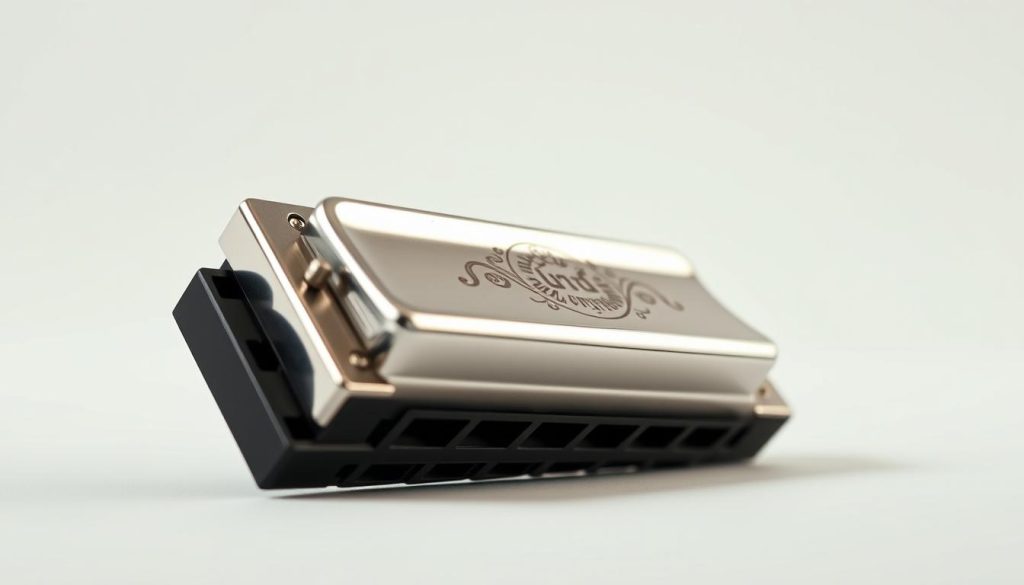
Lee Oskar: versatility, replaceable parts and a popular Major Diatonic tuning
This model emphasizes practicality and easy maintenance for active musicians. It is quick to get used to: its predictable sound and consistency from one instrument to another are reassuring.
Strengths
The brass reed plates are secured with five screws, and the stainless steel covers make disassembly easier. Replaceable parts simplify maintenance and limit total cost.
Limitations and player feedback
The plastic comb is durable and light, but may feel less warm than a wood or metal comb. Some finishes may seem less refined to demanding players, according to their reviews.
With its Major Diatonic tuning, this model suits blues, rock, country and jazz. Its quality-to-price ratio is strong, it is immediately enjoyable to play, and each maintenance task costs much less than replacing the entire instrument.
Seydel: steel reeds, wider hole spacing, and the 1847 and Session Steel series
For frequent players and those who play in humid conditions, steel can be a decisive advantage. The brand’s models use corrosion-resistant materials and durable construction. Their tonal response remains stable over weeks, appealing to musicians who play often.
Steel reeds and corrosion
Steel reeds offer greater resistance to corrosion. They maintain their response over time and require less maintenance during long sessions or outdoor playing.
Wider hole spacing: mouth position and precision
The wider-spaced holes change how the instrument sits in the mouth. For some players, this improves precision and lip placement without limiting expressiveness.
Range: 1847, Lightning, Session and Session Steel
The 1847 series, particularly the Silver and Lightning models, and the Session Steel show how the brand has developed its materials and articulation. With its steel comb and stainless steel covers, the 1847 Lightning produces a fuller, more present sound.
The reed plates are designed for good airtightness, promoting an even response. Reviews are generally favorable: the instrument is well built and has a clear, lasting sound.
Overall, the tonal response and material stability make this range a solid option for anyone seeking an instrument that remains reliable over time.
Easttop: a competitive alternative with a broad range and beginner models
For beginners, price and performance often guide the choice of a first diatonic harmonica.
The brand is a competitive option thanks to its wide availability in France and online. Its quality-to-price ratio is appealing: the finish is decent for a modest entry cost.
Ease of playing is a strength: the mouthpiece is approachable, it moves smoothly across the lips, and its response meets the expectations of a beginner exploring their first bends.
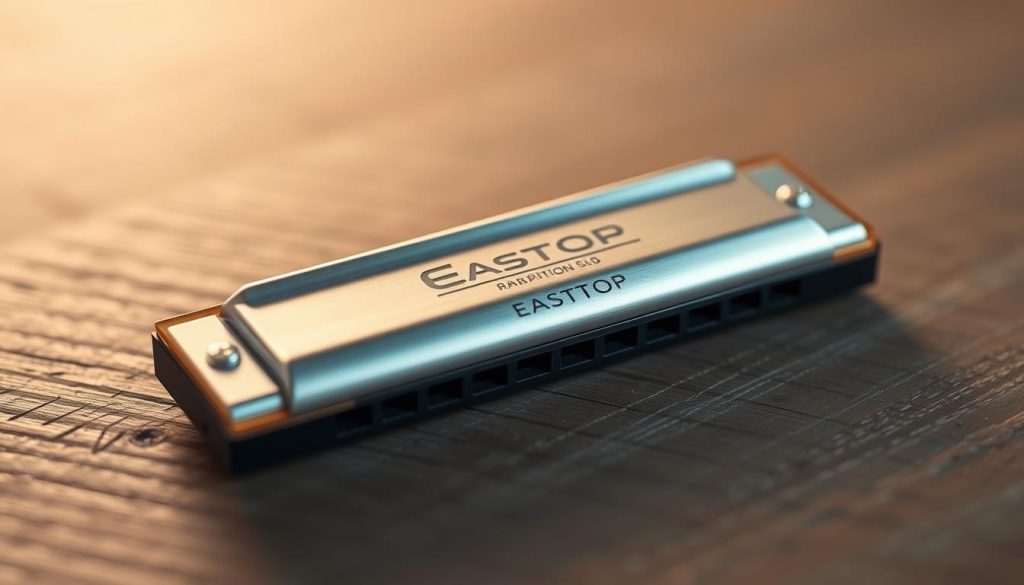
Opinions vary by series: the feel changes little between individual instruments, but comparisons with other entry-level and midrange models help assess tuning accuracy and airtightness.
In practice, this model can serve as a backup or practice instrument. Chosen carefully, it supports progress without a large outlay and leaves room for a later upgrade.
Everyday playability: ease, airtightness and enjoyment after a few weeks
Over several weeks, an instrument develops a feel that a quick test cannot reveal.
Airtightness reduces air leaks. Breathing becomes more efficient, fatigue decreases and bends remain consistent. Poor airtightness makes some holes hard to play and undermines stability.
Ease of playing means clean attacks and steady sustained notes. An even response from one hole to the next prevents surprises and improves the quality of phrasing.
Stable reeds let you work on nuances without blowing too hard; this can be decisive for steady progress. Ergonomic details, such as spacing and edges, become most noticeable over time.
Practical tip: keep a short playing journal to record how you adapt, your progress and any problems. Regular playing soon reveals whether the instrument can become a dependable companion.
For a comparison and buying advice, see our guide to the best diatonic harmonica.
Price, premium models and long-term cost: what to know in France
The initial budget can hide a harmonica’s real cost over several years. Understanding the price range helps you choose according to how you play.
Entry-level and midrange: a little more money for a real improvement
In France, entry-level harmonicas remain affordable and suitable for beginners. Midrange models already offer a clear improvement in airtightness and finish.
Spending a little more often brings better response, reduces the need for adjustments and makes playing enjoyable immediately. Over the medium term, it can be the better financial choice.
Premium models and custom makers: Brodur Dortel, another level at another price
Premium models feature stainless steel covers, wood or metal combs, selected reeds and stricter quality control. High-end series such as the 1847 illustrate the extra cost.
A custom harmonica such as a Brodur Dortel is a beautiful instrument, personalized and precisely adjusted. Its comfort and consistency over time can justify the investment for regular players.
“Professional adjustment improves breath sensitivity and saves hours of maintenance.”
Tip: start with a solid midrange model, then move to a premium or custom instrument as your needs develop. Consider the total cost, not just the purchase price.
Reeds and combs: steel, brass, wood and aluminum—what do they mean for sound and durability?
The mechanism’s materials directly influence a harmonica’s sonic character. Feel depends as much on the reeds as on the comb’s construction.
Brass or steel reeds: expressiveness and longevity
Brass reeds remain the common reference: their quick response and familiar character suit bends and overnotes.
Stainless steel reeds resist corrosion and remain stable over time. Steel does not prevent expressiveness; much depends on reed-plate geometry and reed adjustment.
Wood, ABS or metal combs: comfort, airtightness and weight
A wood comb has a warm, organic feel. ABS offers stability and hygiene. Metal can promote precision and projection, but adds weight.
Stainless steel covers improve projection and durability. Airtightness remains key: a good fit reduces air leaks and improves response from hole to hole.
Tip: try several material combinations to find a sound that suits your playing. The final feel also depends on machining, hole edges and adjustment.
| Material | Characteristic | Advantage | Ideal for |
|---|---|---|---|
| Brass reeds | Quick response, warm sound | Expressiveness, easy bends | Blues, beginners |
| Steel reeds | Stability, resilience | Longevity, moisture resistance | Heavy use, outdoor playing |
| Wood comb | Warm tonal character | Comfort, warm sound | Long sessions, acoustic playing |
| ABS or metal comb | Hygiene or precision | Easy maintenance or projection | Stage, studio |
To explore your choice according to priorities such as sound, weight or maintenance, read our comparison of the best diatonic harmonica. Perceived quality depends as much on the final adjustment as on the material.
Comparing other benchmarks: Golden Melody, Special 20, Crossover, Suzuki Manji and chromatic harmonicas
Historical and modern reference models help put these brands’ design and sound choices in context.
Market benchmarks: the Golden Melody, Special 20 and Crossover remain Hohner reference models. The Special 20 is especially valued for its ease of playing and comfort. The Crossover, with its bamboo comb, is often praised for its playability and feel.
The Suzuki Manji offers a modern Japanese alternative. Its finish and consistent assembly appeal to players. It provides a useful comparison for assessing another brand’s build quality.
Diatonic or chromatic
A Richter-tuned diatonic harmonica supports rich expression through bends, overnotes and vocal inflections. A chromatic harmonica provides a complete scale by design and allows harmonic passages without changing instruments.
The choice depends on your repertoire and the techniques you know. Many players keep a diatonic for its distinctive character. Others prefer the chromatic harmonica’s precision for their musical style.
Practical considerations and cost
Reed plates and assembly, particularly plate flatness and screws, directly affect response and breath feel. Over time, some midrange or premium models justify their cost through greater consistency and lasting comfort.
- Test one or two models in the same key to compare their response.
- Consider the 1847 series and the Seydel Session Steel if longevity and stainless steel are priorities.
- Trust the feel that suits your playing, rather than minor differences mentioned in some reviews.
For a wider overview and buying advice, see our guide to the best diatonic harmonica.
Easttop, Lee Oskar, Seydel: what are the real differences?
In use, material choices and ergonomics often matter more than the logo on the box.
In short: an instrument stands out mainly through its materials, particularly steel or brass, the ergonomics of its holes and the airtightness of its reed plates.
At the same price, Lee Oskar appeals through its replaceable parts and versatility.
Seydel stands out for its steel reeds and wider hole spacing; the Session Steel series reinforces these strengths with modern playability and sturdy construction.
Easttop offers a competitive compromise: a good option for beginners or anyone seeking a second harmonica on a tight budget.
Differences can be hard to notice at first, but become clearer after several sessions, especially in stamina and bend precision.
- Good breath response depends on airtightness and careful assembly.
- Testing instruments in the same key helps you compare their feel note by note.
- Consider reviews, but give priority to your own feel and your needs for maintenance, corrosion resistance and budget.
All three are valid options: choose according to how you play diatonic harmonica and the criteria that matter to you. For a broader comparison, see our guide to the best diatonic harmonica.
Conclusion
Choosing a harmonica often means prioritizing how you will use it over the brand. Its feel depends on the comb, reeds and airtightness, not just the logo.
In practice, budget models stand out for their availability, easy-to-maintain options for their straightforward upkeep, and steel-reed instruments for their consistency over time. Each player makes a choice based on price, playing frequency and repertoire.
Whenever possible, test two or three models with the same phrases: the differences will emerge without difficulty. A beautiful, well-adjusted instrument such as a Brodur Dortel may be the best medium-term choice.
Ultimately, trust the feel that makes playing enjoyable. Start simply, move up the range as your playing develops, and avoid repeated purchases that cost time and effort.