
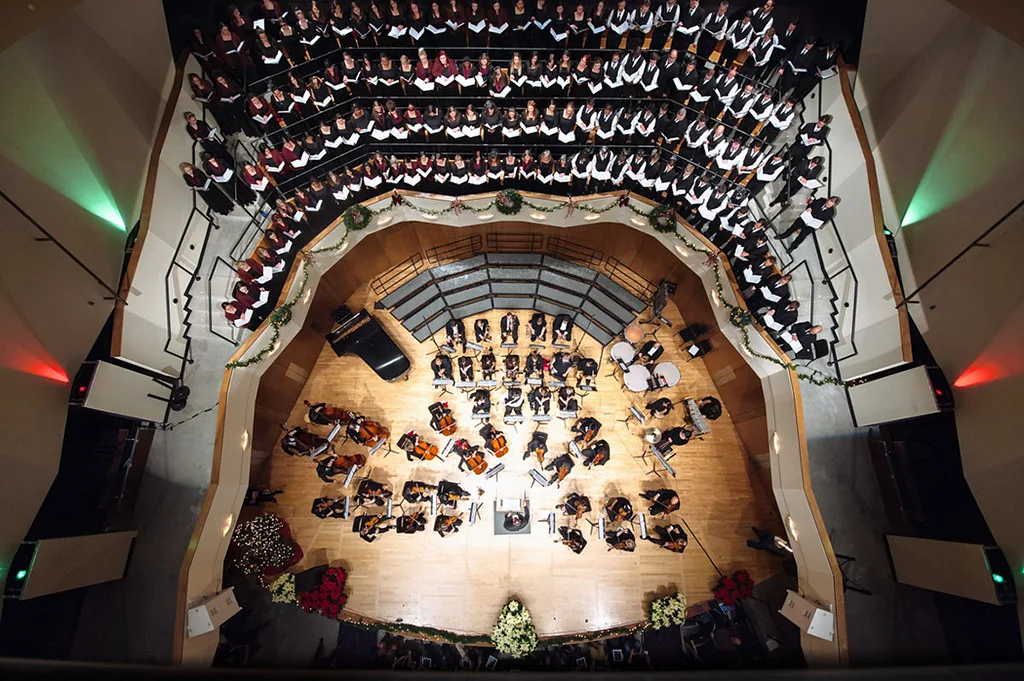
A symphony is a sophisticated instrumental composition that emerged in the mid to late eighteenth century. Composers such as Beethoven, Brahms, and Tchaikovsky expanded and transformed the form through their own works. The symphony thus became one of the world’s most widespread forms of classical music.
Here is our top 10 list of the greatest symphonies in history:
- Felix Mendelssohn’s Symphony No. 4, known as the “Italian”
- Mahler’s symphony known as “Titan”
- Anton Bruckner’s symphony
- Berlioz’s Symphonie fantastique
- Brahms’s Symphony No. 1
- Beethoven’s final symphony
- Tchaikovsky’s Symphony No. 6, known as the “Pathétique”
- Mozart’s Symphony No. 41, known as the “Jupiter”
- Beethoven’s Ninth
- Beethoven’s Third, known as the “Eroica”
Beethoven’s symphonies
Ludwig van Beethoven’s symphonies are considered among the greatest of all time. This German composer, born in the eighteenth century, transformed the symphony through his bold, innovative approach. Beethoven pushed the boundaries of symphonic form and created landmark works that continue to captivate listeners around the world.
Among Beethoven’s best-known symphonies is Symphony No. 3, also known as the “Eroica.” It pays tribute to human greatness and embodies the struggle for freedom and emancipation. Another essential work, Symphony No. 9, is famous for its fourth movement and the “Ode to Joy,” a universal song of fellowship and joy.
Beethoven transformed the symphony and pushed the boundaries of the genre with his innovative compositions.
Beethoven’s symphonies are distinguished by their powerful expression, harmonic complexity, and striking emotional contrasts. They are often performed by renowned orchestras and celebrated conductors, who carry on Beethoven’s extraordinary musical legacy.
Table:
| Symphony | Name |
|---|---|
| Symphony No. 3 | Eroica Symphony |
| Symphony No. 9 | Ode to Joy |
Famous quotations about Beethoven’s symphonies:
“Music is a higher revelation than all wisdom and philosophy.” — Ludwig van Beethoven
“When you are in deep sorrow, listen to music; it will help you express yourself.” — Ludwig van Beethoven
The symphonies of Mozart and Tchaikovsky
The symphonies of Wolfgang Amadeus Mozart and Pyotr Ilyich Tchaikovsky rank among the most remarkable works in the history of classical music. Each composer expressed a distinct vision and style through his landmark symphonies.
Mozart’s symphonies
A musical prodigy, Mozart composed many symphonies that remain among the most popular and influential works of classical music. Among them, Symphony No. 41, also known as the “Jupiter Symphony,” is considered one of the greatest symphonies ever written. It stands out for its complexity, harmony, and mysterious energy.
Table:
| Symphony | Name |
|---|---|
| Symphony No. 41 | Jupiter Symphony |
| Symphony No. 25 | Little G minor |
| Symphony No. 40 | Great G minor |
Tchaikovsky’s symphonies
Tchaikovsky, the renowned Russian composer, created symphonies that are both powerful and moving. His Symphony No. 6, also known as the “Pathétique Symphony,” is often considered one of his most intense and expressive works. It explores shades of sadness and disillusionment in a captivating style.
In conclusion, the symphonies of Mozart and Tchaikovsky represent moments of greatness and emotion in the history of classical music. Their compositions have captivated and inspired listeners worldwide and continue to be cherished for their timeless beauty.
The symphonies of Brahms and Mahler
Johannes Brahms and Gustav Mahler are two renowned composers who created major symphonic works. Their symphonies are celebrated for their emotional depth and masterful use of the orchestra.
Brahms’s symphonies
Johannes Brahms composed four symphonies, each a masterpiece of the Romantic era. His Symphony No. 1 in C minor is considered a tribute to Beethoven’s genius, with its sweeping scale and compelling lyricism. Symphony No. 2 in D major reveals Brahms’s lighter, more joyful side, while Symphony No. 3 in F major explores darker shades and melancholy themes. Symphony No. 4 in E minor is a powerful, complex work of exceptional thematic richness.
Mahler’s symphonies
Gustav Mahler wrote nine symphonies, each with its own character and profound meaning. His Symphony No. 1 in D major, also known as “Titan,” is an ambitious, grand work that explores a wide range of emotions. Symphony No. 2 in C minor, nicknamed the “Resurrection,” is a monumental work about life, death, and rebirth. Mahler’s later symphonies continue to explore philosophical and spiritual themes with incomparable mastery of orchestration and melodic richness.
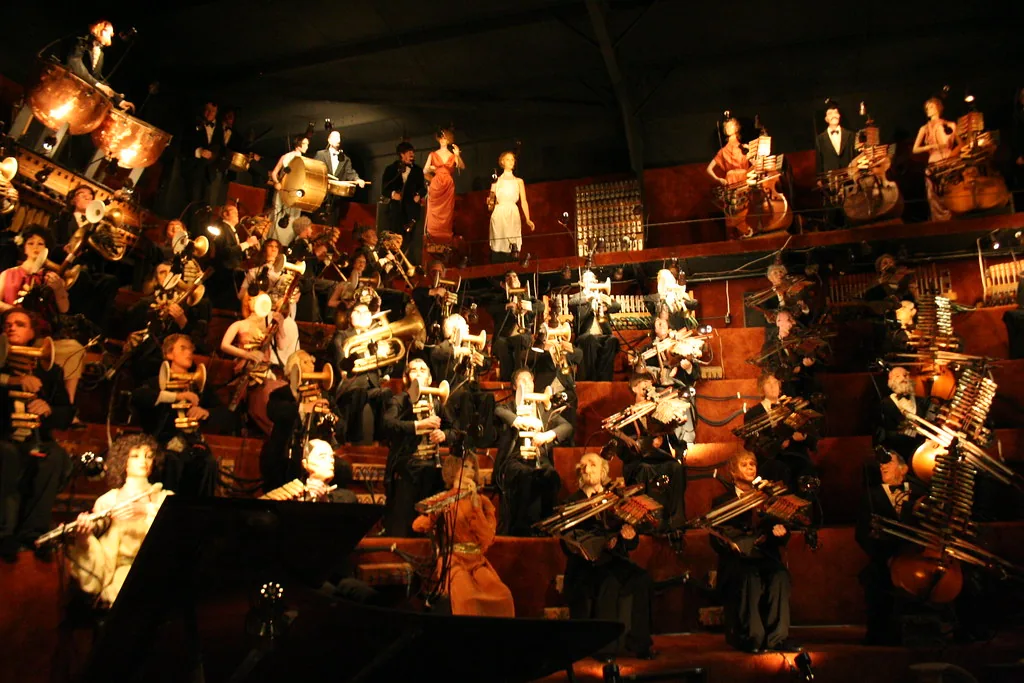
The symphonies of Brahms and Mahler demonstrate the virtuosity and profound expressiveness of these celebrated symphony composers. Their works remain pillars of the symphonic repertoire and continue to move and inspire listeners around the world.
The symphonies of Berlioz and Mendelssohn
Hector Berlioz and Felix Mendelssohn both made their mark on orchestral symphonies, each bringing his own style to classical music. Berlioz, a nineteenth-century French composer, is best known for his Symphonie fantastique, a groundbreaking work that introduced the idea of a narrative program into the symphony. It tells a story of obsessive love and stands out for its bold orchestration and dramatic effects.
Mendelssohn was a German composer of the same century. His Symphony No. 4, also called the “Italian Symphony,” is one of his best-known works. It reflects the influence of his travels in Italy and evokes the country’s cheerful, sunny atmosphere. Mendelssohn’s symphony is marked by its lively energy, skillful use of counterpoint, and lyrical melodies.
Both composers also left a lasting mark as renowned conductors. Berlioz was known for his passionate performances and innovative approach to conducting. He was among the first conductors to use a baton to direct an entire orchestra. Mendelssohn was an accomplished conductor and among the first to lead professional symphony orchestras in Germany.
“The symphony is more than a musical composition; it is an expression of the deepest emotions of the human soul.” — Hector Berlioz
In short, the symphonies of Berlioz and Mendelssohn are masterpieces of classical music. These composers shaped the history of the symphony through their innovative compositions, bold orchestration, and compelling work as conductors. Their legacy endures, and their symphonies continue to delight and inspire listeners around the world.
| Symphony | Composer |
|---|---|
| Symphonie fantastique | Hector Berlioz |
| Italian Symphony | Felix Mendelssohn |
The symphonies of Bruckner and Mahler
Anton Bruckner (1824–1896) and Gustav Mahler (1860–1911) are two composers who shaped the history of symphonic music. Their landmark symphonies influenced many composers and have been praised for their grandeur and complexity.
Bruckner, often nicknamed the “Wagner of the symphony,” was known for his monumental music and command of orchestration. His best-known symphony is Symphony No. 9, an unfinished work that reflects his admiration for Beethoven. It is a true musical monument, with an imposing structure and powerful harmonies.
Mahler, for his part, pushed the boundaries of orchestration with his nine symphonies. His Symphony No. 3, for example, is a colossal work that explores themes of nature and life. His Symphony No. 9 is a nostalgic meditation on the end of life and death.
Both composers left a lasting legacy in symphonic music. Their symphonies remain timeless masterpieces, celebrated for their musical beauty and emotional depth.
Table: Landmark symphonies by Bruckner and Mahler
| Symphony | Composer | Year of composition |
|---|---|---|
| Symphony No. 9 | Anton Bruckner | 1896 |
| Symphony No. 3 | Gustav Mahler | 1896 |
| Symphony No. 8 | Gustav Mahler | 1906 |
| Symphony No. 5 | Anton Bruckner | 1875 |
Bruckner’s Symphony No. 9 has been called a “requiem for Beethoven” because of its monumental scale and emotional depth. It is considered one of the pinnacles of nineteenth-century symphonic music. Mahler’s Symphony No. 3 is an expansive work that explores universal themes such as nature and life.
These landmark symphonies testify to the genius of Bruckner and Mahler as celebrated symphony composers. Their works continue to impress and fascinate listeners worldwide, and their contribution to the history of symphonic music is considerable.
The symphonies of Berlioz and Liszt
Hector Berlioz is considered one of the pioneers of the Romantic symphony. His Symphonie fantastique, premiered in 1830, is regarded as a groundbreaking work that introduced the idea of a narrative program into the symphony. Berlioz wrote it in five movements, each depicting a different scene in a passionate love story. The work is known for its bold orchestration and innovative use of recurring themes.
Franz Liszt, meanwhile, drew inspiration from Berlioz’s approach in his own music. He created a series of symphonic poems: self-contained orchestral works inspired by literary or visual themes. These symphonic poems were a major innovation in classical music and influenced many later composers.
Franz Liszt declared: “The symphony is one of the supreme forms of music. It must embrace the entire range of sound and stir deep emotions in the listener’s soul.”
The symphonies of Berlioz and Liszt demonstrate the creativity and innovation that characterized nineteenth-century symphonic music. Their bold, expressive compositions opened new paths for later generations of composers, and their influence endures today.
Comparison of Berlioz’s and Liszt’s symphonic works
| Symphony | Berlioz | Liszt |
|---|---|---|
| Title | Symphonie fantastique | Symphonic poems |
| Number of movements | 5 | Varies (each symphonic poem is a separate work) |
| Main theme | A passionate love story | Literary or visual themes |
| Orchestration | Bold and innovative | Richly orchestrated |
| Influence | Paved the way for Romantic symphonic music | Brought innovation to orchestral composition |
Both composers made important contributions to the history of symphonic music, and their works continue to be celebrated for their originality and emotional power. The symphonies of Berlioz and the symphonic works of Liszt illustrate the creative exploration that characterizes classical music.
Conclusion
The greatest symphonies of all time are enduring musical masterpieces that testify to their composers’ ingenuity and creativity. These orchestral symphonies shaped the history of classical music and continue to inspire listeners around the world.
From Beethoven to Mozart and from Brahms to Mahler, each composer made a distinct contribution to the history of the symphony. Their innovative compositions pushed the genre’s boundaries and influenced later generations of musicians.
Explore these masterpieces and discover their fascinating histories. Classical music is an inexhaustible source of emotion and beauty, and orchestral symphonies are among its most important pillars.
FAQ
What are the greatest symphonies of all time?
Here is our top 10 list of the greatest symphonies in history: Felix Mendelssohn’s Symphony No. 4, known as the “Italian”; Mahler’s symphony known as “Titan”; Anton Bruckner’s symphony; Berlioz’s Symphonie fantastique; Brahms’s Symphony No. 1; Beethoven’s final symphony; Tchaikovsky’s Symphony No. 6, known as the “Pathétique”; Mozart’s Symphony No. 41, known as the “Jupiter”; Beethoven’s Ninth; and Beethoven’s Third, known as the “Eroica.”
What are Beethoven’s most famous symphonies?
Beethoven’s most famous symphonies include Symphony No. 3, also known as the “Eroica,” and Symphony No. 9, known for its finale featuring the “Ode to Joy.”
What are Mozart’s and Tchaikovsky’s landmark symphonies?
Mozart’s landmark symphonies include Symphony No. 41, also known as the “Jupiter Symphony.” Tchaikovsky’s Symphony No. 6, known as the “Pathétique Symphony,” is considered one of the most poignant in music history.
What are the major symphonies of Brahms and Mahler?
Johannes Brahms composed several major symphonies, including Symphony No. 1, considered a tribute to Beethoven’s genius. Gustav Mahler wrote nine symphonies, some of which are regarded as masterpieces of the genre.
What are the symphonies of Berlioz and Mendelssohn?
Hector Berlioz created Symphonie fantastique, an innovative work that introduced the idea of a narrative program into the symphony. Felix Mendelssohn is known for his Symphony No. 4, also called the “Italian Symphony,” which reflects the influence of his journey to Rome.
What are the symphonies of Bruckner and Mahler?
Anton Bruckner was nicknamed the “Wagner of the symphony” for his orchestration and monumental approach to the form. His most popular symphony is Symphony No. 9, regarded as a requiem for Beethoven. Gustav Mahler pushed the boundaries of orchestration with his nine symphonies, notably Nos. 3 and 9.
What are the symphonic works of Berlioz and Liszt?
Hector Berlioz created Symphonie fantastique, regarded as the first program symphony. Franz Liszt drew inspiration from it for his symphonic poems. The symphonic works of Berlioz and Liszt demonstrate the creativity and innovation of nineteenth-century symphonic music.