
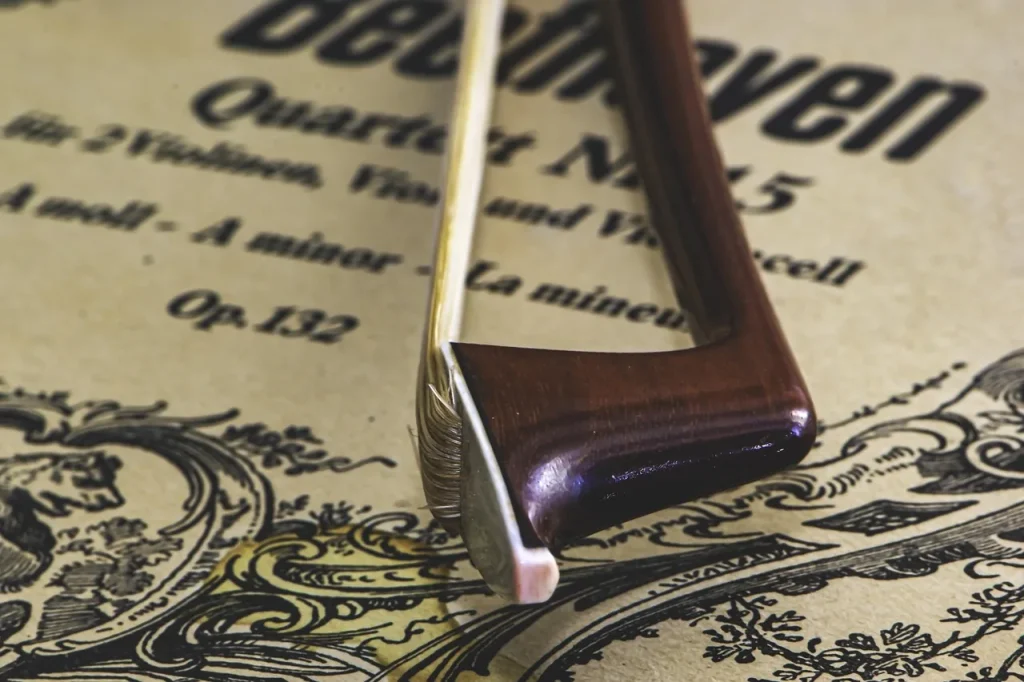
Chamber music is a form of classical music distinguished by its intimacy and the dialogue between instruments. Performed by small instrumental ensembles, it offers a unique musical experience. Each chamber musician plays an independent part and responds to the others, creating a rich and expressive sound. Composers write scores specifically for these ensembles, showcasing the musicians’ virtuosity and encouraging a profound musical interpretation.
Characteristics of Baroque chamber music
Baroque chamber music is distinguished by its use of period instruments, a repertoire written by renowned composers of the era, and the importance of historically informed performance. Baroque chamber music ensembles are small groups of solo instruments, ranging from duos to groups of ten. These groups favor an intimate approach and a musical dialogue among the players. Instruments characteristic of the era include the violin, viola da gamba, transverse flute, and cello. Baroque composers such as Bach, Vivaldi, and Handel created a rich and varied repertoire.
Musicians who perform Baroque chamber music seek to convey the spirit of these works faithfully through historically informed performance techniques. This approach aims to respect the intentions of Baroque composers and the practices of their time. It involves the use of period instruments, original scores, and playing techniques associated with the era. The goal is to recreate the atmosphere and style of the Baroque period so audiences can appreciate the music in its original context.
Baroque chamber music offers a unique musical experience in which musicians work closely together. The musical dialogue between instruments creates expressive richness and makes it possible to explore a range of nuances and tone colors. It gives Baroque chamber music an intimate, lively quality. As a listener, you can immerse yourself in this musical world, be carried away by its emotions, and discover the beauty of this period.
“Baroque chamber music is a form of artistic expression that allows musicians to converse with one another and share their passion with the audience. It is both an intimate and a collective experience, in which music comes alive and conveys powerful emotions.”
Table: Instruments used in Baroque chamber music
| String instruments | Wind instruments |
|---|---|
| Violin | Transverse flute |
| Viola da gamba | Oboe |
| Cello | Natural trumpet |
Period instruments in Baroque chamber music
Period instruments play an essential role in Baroque chamber music. They help create a distinctive sound and recreate the musical atmosphere of the era. Specialist musicians use faithful reproductions of historical instruments, made with techniques and materials associated with the period. String instruments such as the violin, viola da gamba, and cello, as well as wind instruments such as the transverse flute, oboe, and natural trumpet, are often used in Baroque chamber music.
What sets period instruments apart is their construction and sound. The Baroque violin, for example, has a slightly smaller shape and a bow strung with horsehair. The Baroque transverse flute is made of wood and has a softer, warmer sound than the modern metal flute. These instruments bring a richness of sound and historical authenticity to performances of Baroque chamber music.
“Baroque chamber music cannot be fully appreciated without period instruments. They are essential to conveying the intentions of Baroque composers faithfully and immersing us in the musical atmosphere of their time.”
The use of period instruments in Baroque chamber music is also part of historically informed performance. Musicians who perform this music study treatises and historical sources to understand the playing techniques, desired sounds, and performance traditions of the era. In doing so, they strive to convey the spirit of Baroque works and the composers’ intentions faithfully.
| String instruments | Wind instruments |
|---|---|
| Violin | Transverse flute |
| Viola da gamba | Oboe |
| Cello | Natural trumpet |
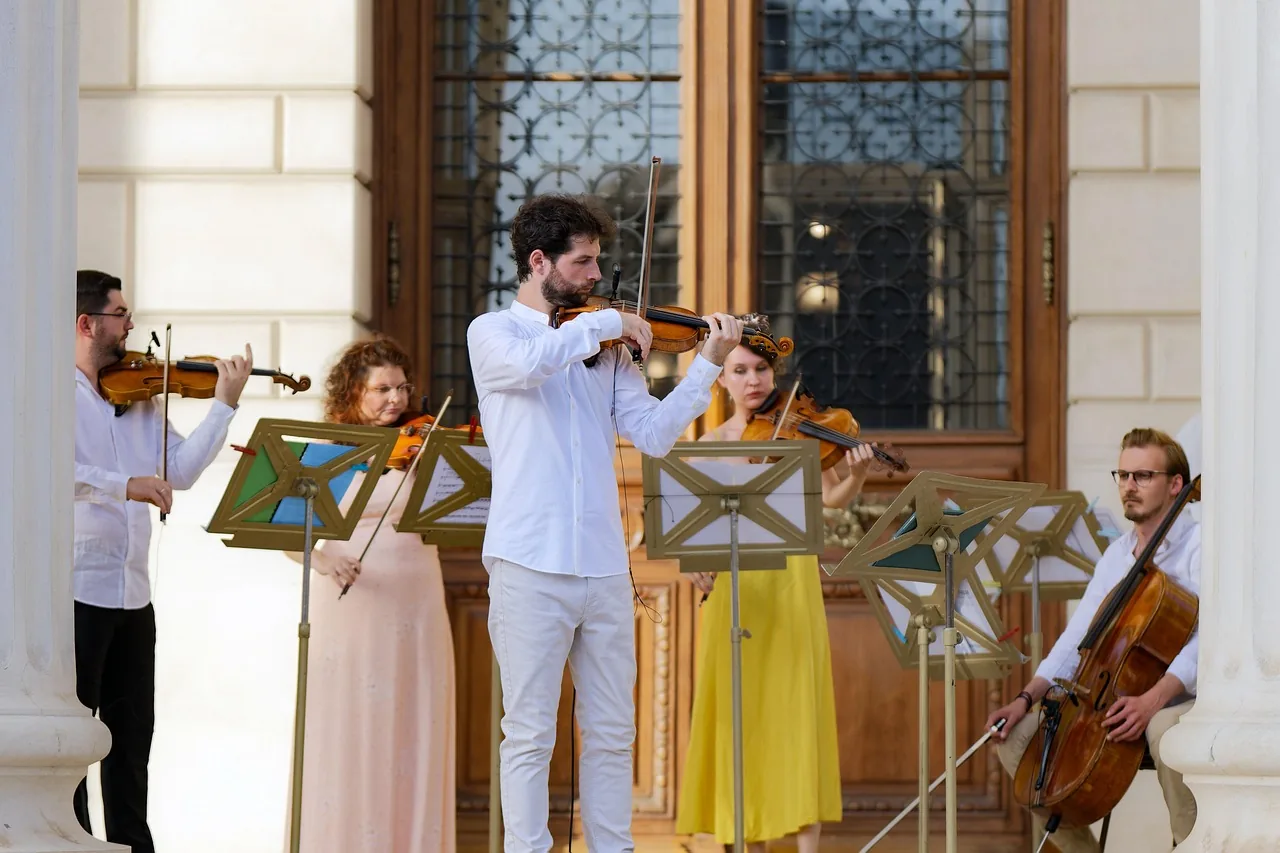
String instruments
String instruments play a central role in Baroque chamber music. The violin, viola da gamba, and cello are widely used in chamber ensembles. Each string instrument has a distinct sound that contributes to a unique harmony when the instruments play together. The violin, for example, produces a bright, clear sound, while the viola da gamba has a softer, richer tone. The cello adds depth and warmth to the ensemble.
Wind instruments
Wind instruments are also common in Baroque chamber music. The transverse flute and oboe are often chosen for their melodious sounds and their ability to express a wide range of emotions. The natural trumpet used in Baroque ensembles has a warmer, gentler tone than the modern trumpet, giving it a distinctive expressiveness. These wind instruments add another dimension to the texture of Baroque chamber music.
Baroque chamber music in its historical context
Baroque chamber music has a rich and complex history dating back to the sixteenth century. At that time, the term “chamber music” referred to music played in private spaces, such as aristocratic salons, as distinct from church music. Baroque composers created a diverse repertoire of chamber music, including pieces written for small groups of solo instruments.
Composers such as Johann Sebastian Bach, Antonio Vivaldi, and George Frideric Handel are especially well known for their contributions to Baroque chamber music. Their compositions explore a variety of styles and forms, offering a glimpse of the creativity and virtuosity of the Baroque era.
In the nineteenth century, chamber music flourished thanks to composers such as Ludwig van Beethoven, Franz Schubert, and Johannes Brahms. They expanded its possibilities by creating more ambitious works and exploring new musical forms and structures.
| Composers | Repertoire |
|---|---|
| Johann Sebastian Bach | Sonatas and Partitas for Solo Violin |
| Antonio Vivaldi | Concertos for Multiple Instruments |
| George Frideric Handel | Harpsichord Suites |
| Ludwig van Beethoven | String Quartets |
| Franz Schubert | String Quintets |
| Johannes Brahms | Piano Trios |
Today, Baroque chamber music continues to be enjoyed and performed around the world. Musicians specializing in this genre strive to recreate the atmosphere of the Baroque era by using period instruments and taking a historically informed approach to performance. Baroque chamber music offers a unique musical experience that lets listeners discover the intimacy and musical dialogue characteristic of this fascinating period in music history.
Performing chamber music
Baroque chamber music is a form of musical expression that calls for a particular approach from chamber musicians. These artists play a crucial role in creating a rich, immersive musical experience. Interpretation is essential: it allows musicians to communicate with one another and with the audience.
Communication is essential to performing chamber music. Musicians must be able to converse through music, listen to one another, and respond as a group. This requires a deep understanding of the repertoire and keen musical sensitivity. Rehearsals are essential for refining this communication and agreeing on aspects of the performance such as tempos, dynamics, and articulation.
Chamber musicians also work in artist residencies to prepare for concerts. These residencies allow them to immerse themselves in the scheduled works, develop a shared understanding of them, and strengthen their musical cohesion. They are valuable opportunities for musicians to devote themselves fully to the music and create an authentic, compelling performance.
| Aspect | Details |
|---|---|
| Chamber musicians | Artists specializing in chamber music |
| Performance | The importance of musical communication and dialogue |
| Rehearsals | Working together to coordinate and refine the performance |
| Artist residency | A period of intensive preparation and musical immersion |
Performing chamber music is a rewarding experience for chamber musicians and listeners alike. It creates a close connection among performers, allows them to explore different musical ideas, and conveys deep emotions. By encouraging intimacy and musical dialogue, chamber music offers a unique experience that has captivated lovers of classical music for centuries.
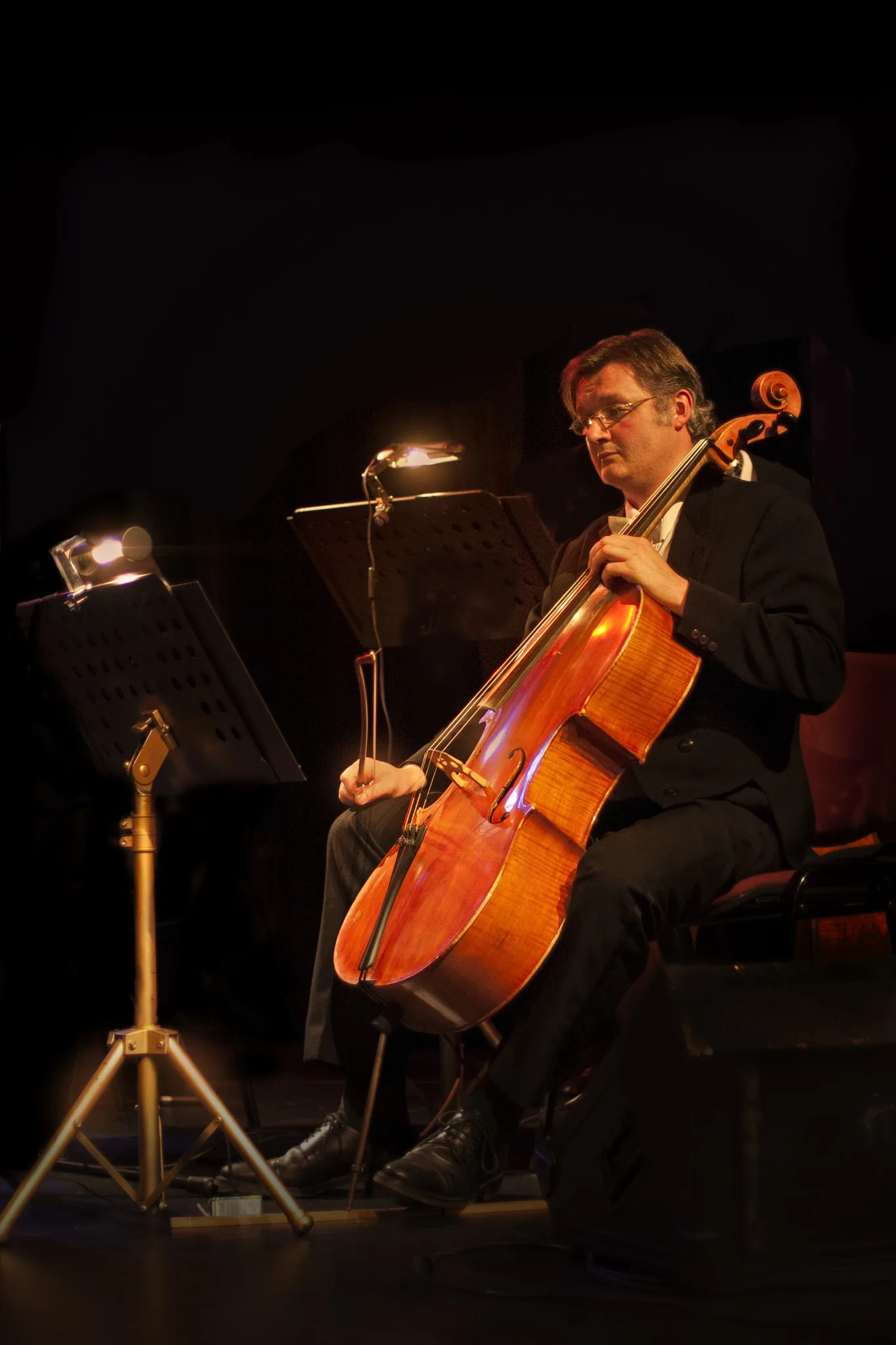
“Chamber music is a conversation among friends.” — David Finckel, cellist
Conclusion
Baroque chamber music offers a unique musical experience centered on intimacy and musical dialogue. Chamber musicians playing period instruments with a historically informed approach create an expressive richness that draws listeners into a captivating world.
This form of music allows audiences to explore a range of repertoires, from traditional music to art music, including works by renowned composers such as Bach, Vivaldi, and Handel. The musical dialogue between instruments and voice creates a profound experience with moral and educational meaning that still resonates today.
Discovering Baroque chamber music means entering a world in which musicians share their passion and virtuosity. This music continues to be enjoyed and performed, demonstrating its importance and lasting appeal through the centuries. Immerse yourself in this intimate experience and let the emotion and musical dialogue of Baroque chamber music carry you away.
FAQ
What is Baroque chamber music?
Baroque chamber music is a musical genre featuring small ensembles of solo instruments and emphasizing intimacy and musical dialogue among the players.
Which instruments are used in Baroque chamber music?
Instruments characteristic of Baroque chamber music include the violin, viola da gamba, transverse flute, oboe, and cello.
Which composers are associated with Baroque chamber music?
The best-known composers associated with Baroque chamber music include Bach, Vivaldi, and Handel, who created a rich and varied repertoire for this form of music.
What is historically informed performance in Baroque chamber music?
Historically informed performance means playing Baroque chamber music with attention to composers’ intentions, using period instruments and adopting performance techniques from the era.
Why is musical dialogue important in Baroque chamber music?
Musical dialogue between instruments and voice is essential in Baroque chamber music: it creates a rich, expressive experience for listeners.