
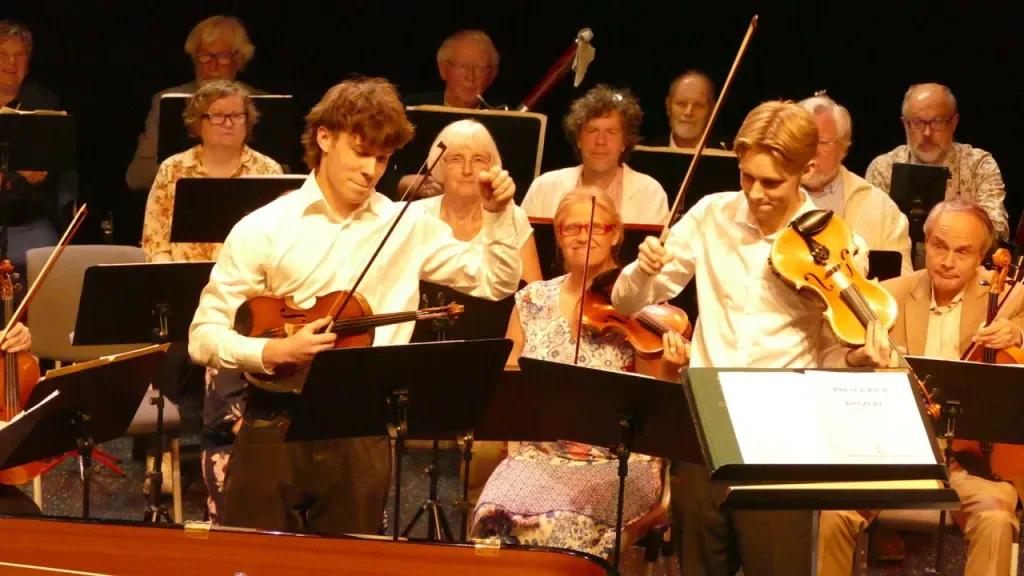
Concertos are musical works built around a dialogue between a soloist and an orchestra. They play a major role in classical music, offering unforgettable solo performances and rich musical collaboration. Concertos are distinguished by the balance between the soloist and the orchestra, their orchestral writing and their musical expression. They offer a captivating symphonic performance in which every note contributes to the passionate dialogue between the soloist and the orchestra.
The history of concertos
Concertos have a rich history stretching back several centuries. They became popular during the Baroque period, particularly through renowned composers such as Antonio Vivaldi and his “Four Seasons.” Over time, many composers created their own concertos, including Joaquín Rodrigo with his “Concierto de Aranjuez” and Wolfgang Amadeus Mozart with his piano concertos. These works shaped the development of the genre and contributed to the continuing dialogue between soloist and orchestra.
Antonio Vivaldi, an eighteenth-century Italian composer, is considered one of the pioneers of the concerto. His groundbreaking compositions, including his famous set of concertos “The Four Seasons,” established new standards for collaboration between soloist and orchestra. Each of Vivaldi’s concertos is a musical adventure, highlighting the violin or another instrument and creating a dynamic dialogue with the orchestra.
Another major figure in the history of concertos is Wolfgang Amadeus Mozart. His “Piano Concerto No. 21” is one of the most celebrated examples from the Classical period. Mozart brought a new dimension to the genre by writing virtuosic solo parts and developing complex interactions between the soloist and the orchestra. His innovative approach opened up new possibilities for expression in the dialogue between soloist and orchestra.
Table: composers and their concertos
| Composer | Concerto |
|---|---|
| Antonio Vivaldi | The Four Seasons |
| Joaquín Rodrigo | Concierto de Aranjuez |
| Wolfgang Amadeus Mozart | Piano Concerto No. 21 |
The structure of a concerto
A concerto generally has three movements: a fast movement, a slow movement and another fast movement. These movements offer a range of emotions and musical styles. The soloist stands out in virtuosic passages, while the orchestra supports and responds to them. In concerti grossi, the concertino is the group of soloists that interacts with the ripieno orchestra.
The three-movement structure of a concerto balances its different parts and holds the listener’s attention throughout the performance. The fast first movement, often called “Allegro,” provides a lively, energetic opening. The soloist and orchestra launch into virtuosic passages, creating an animated dialogue.
The second movement is generally slow, such as an “Adagio” or a “Largo.” Here, the soloist stands out through expressive, moving melodies. The orchestra offers subtle support, creating a gentle, introspective atmosphere.
The final movement is fast again, often a concluding “Allegro.” It brings the concerto to a brilliant, energetic close, with exhilarating solo passages and rapid exchanges between the soloist and orchestra. The concerto often ends triumphantly, leaving a lasting impression on the audience.
| Movement | Characteristics |
|---|---|
| Fast | Lively, energetic opening; virtuosic passages |
| Slow | Expressive, moving melodies; a gentle, introspective atmosphere |
| Fast | Brilliant conclusion; exhilarating solo passages; rapid exchanges |
The structure of a concerto, with its sequence of fast and slow movements, offers a captivating and varied musical experience. It allows soloists to shine and interact with the orchestra while providing rich, balanced orchestral writing.
Different types of concertos
The concerto is a varied musical form with many possibilities for expression. Here is an overview of the different types of concertos:
Solo concertos
Solo concertos feature a single soloist in dialogue with the orchestra. They give the soloist an opportunity to shine and demonstrate their virtuosity. These concertos highlight the performer’s individuality and skill, offering captivating solo performances.
Concerti grossi
Concerti grossi feature a group of soloists in dialogue with the orchestra. In this more collaborative form, the soloists interact with one another and with the full ensemble. Concerti grossi balance the group of soloists, called the concertino, with the ripieno orchestra. The interplay among the instruments creates a rich, captivating musical texture.
Concertos for different instruments
Concertos can be written for a variety of instruments, offering a wide range of musical experiences. There are concertos for violin, piano, guitar, trumpet and even less common instruments such as the mandolin. Each instrument brings its distinctive tone and character to the orchestral ensemble, creating varied and unique sounds.
Brandenburg Concertos
Johann Sebastian Bach’s “Brandenburg Concertos” are among the best-known examples of concerti grossi. This set of six concertos, each with its own structure and combination of instruments, is a landmark of Baroque music. The “Brandenburg Concertos” highlight the interaction between the group of soloists and the orchestra, offering complex and refined musical exchanges.
| Type of concerto | Description |
|---|---|
| Solo concerto | Features a single soloist in dialogue with the orchestra. |
| Concerto grosso | Features a group of soloists in dialogue with the orchestra. |
| Concerto for different instruments | Written for a variety of instruments, offering a range of sounds. |
| Brandenburg Concertos | A landmark of Baroque music comprising six concertos. |
The different types of concertos offer unique musical experiences that showcase both soloists and orchestra. They enrich the repertoire and broaden the possibilities for artistic expression.
The dialogue between soloist and orchestra in concertos
The dialogue between soloist and orchestra lies at the heart of concertos. In this complex, dynamic musical interaction, soloists and orchestra exchange melodic motifs, creating a captivating interplay. Soloists play virtuosic parts that display their technical and expressive skills, while the orchestra supports, answers and completes the soloist’s musical phrases.
Improvisation also plays an essential role in the dialogue between soloist and orchestra. Soloists often have the freedom to add variations and embellishments to their performances, bringing a distinctive dimension to the music. The orchestra responds with complementary orchestral phrases, creating a continuous and inspiring musical exchange.
Melodic motifs are another key element of the dialogue between soloist and orchestra. Soloists often introduce musical motifs that the orchestra then takes up and develops. These motifs create coherence and connect the different parts of the concerto, strengthening the dialogue between the two musical forces.
Example quotation:
“The dialogue between soloist and orchestra in concertos is a true musical conversation, in which performers exchange ideas and emotions through their playing. It is this interaction that makes concertos so exciting and captivating for listeners.” — Maestro André Previn
The dialogue between soloist and orchestra is fundamental to the concerto. It enables rich, dynamic musical collaboration, with soloists and orchestra complementing and enriching one another. Through the exchange of melodic motifs, improvisation and orchestral responses, this dialogue gives listeners an immersive and emotionally rich musical experience.
Great concerto performers
Many renowned performers have distinguished themselves in concertos, bringing virtuosity and sensitivity to these works. Among them, Joshua Bell is widely recognized for his captivating violin performances. His impeccable technique and expressiveness have made him one of the most acclaimed soloists of his generation.
Lang Lang is another exceptional artist who has made his mark on concerto performance. His talent at the piano is remarkable, and his interpretations are both powerful and lyrical. He captivates audiences with his virtuosity and passionate playing.
Yo-Yo Ma is a renowned cellist who has also made a significant contribution to concerto performance. His expressive playing and deep musicality create an emotional connection with audiences. His command of the instrument and sensitivity make his performances memorable.
Martha Argerich, the celebrated pianist, brings a distinctive sensitivity to her concerto performances. Her playing is both powerful and delicate, conveying a wide range of emotions. Her virtuoso technique and artistic sensitivity make her one of the most respected and admired pianists.
Finally, Anne-Sophie Mutter, an internationally renowned violinist, dazzles audiences with the beauty of her playing. Her exceptional musicality and impressive technical command make her an unforgettable performer. She conveys deep emotion through her performances, captivating listeners with every note.
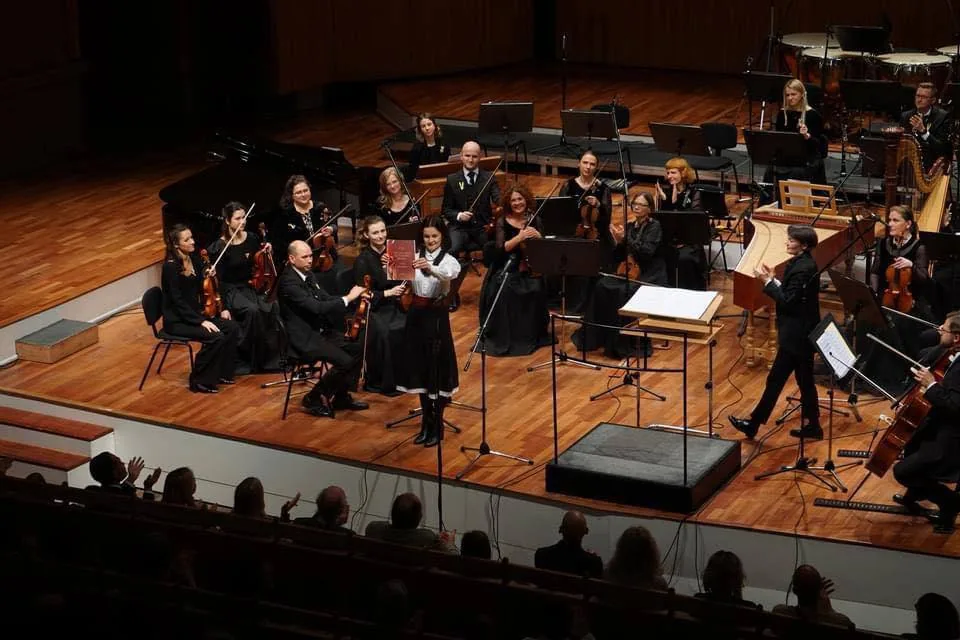
Table: great concerto performers
| Soloist | Instrument |
|---|---|
| Joshua Bell | Violin |
| Lang Lang | Piano |
| Yo-Yo Ma | Cello |
| Martha Argerich | Piano |
| Anne-Sophie Mutter | Violin |
Conclusion
Concertos are an essential musical form that showcases the dialogue between soloist and orchestra. Their importance in musical heritage is undeniable: they offer unforgettable solo performances and rich musical collaboration. In concertos, the balance between soloist and orchestra allows for exciting musical expression and captivating symphonic performances. Concertos will continue to fascinate listeners and enrich the world of classical music.
FAQ
What is a concerto?
A concerto is a musical work built around a dialogue between a soloist and an orchestra.
What role do concertos play in classical music?
Concertos play a major role in classical music by offering rich musical collaboration, balancing the soloist and orchestra, and featuring captivating orchestral writing.
What is the history of concertos?
Concertos have a rich history stretching back several centuries. They became popular during the Baroque period through composers such as Antonio Vivaldi, particularly with his “Four Seasons.”
How is a concerto structured?
A concerto generally has three movements: a fast movement, a slow movement and another fast movement.
What are the different types of concertos?
There are solo concertos featuring a single soloist, as well as concerti grossi featuring a group of soloists in dialogue with the orchestra.
How do the soloist and orchestra interact in a concerto?
The soloist and orchestra interact by exchanging melodic motifs, responding to each other’s musical phrases and creating a dynamic musical interplay.
Who are some great concerto performers?
Great performers include Joshua Bell, Lang Lang, Yo-Yo Ma, Martha Argerich and Anne-Sophie Mutter.
Why are concertos important to musical heritage?
Concertos hold an essential place in musical heritage by offering unforgettable solo performances and rich musical collaboration.
Sources
- https://elmhurstsymphony.org/concerto-crash-course
- https://www.thenational.academy/teachers/programmes/music-secondary-ks4-ocr/units/the-concerto-through-time/lessons/the-concerto-grosso
- https://artsandculture.google.com/story/between-the-piano-and-the-orchestra-narodowy-instytut-fryderyka-chopina/7gWxd77Y_NZIEA?hl=en