
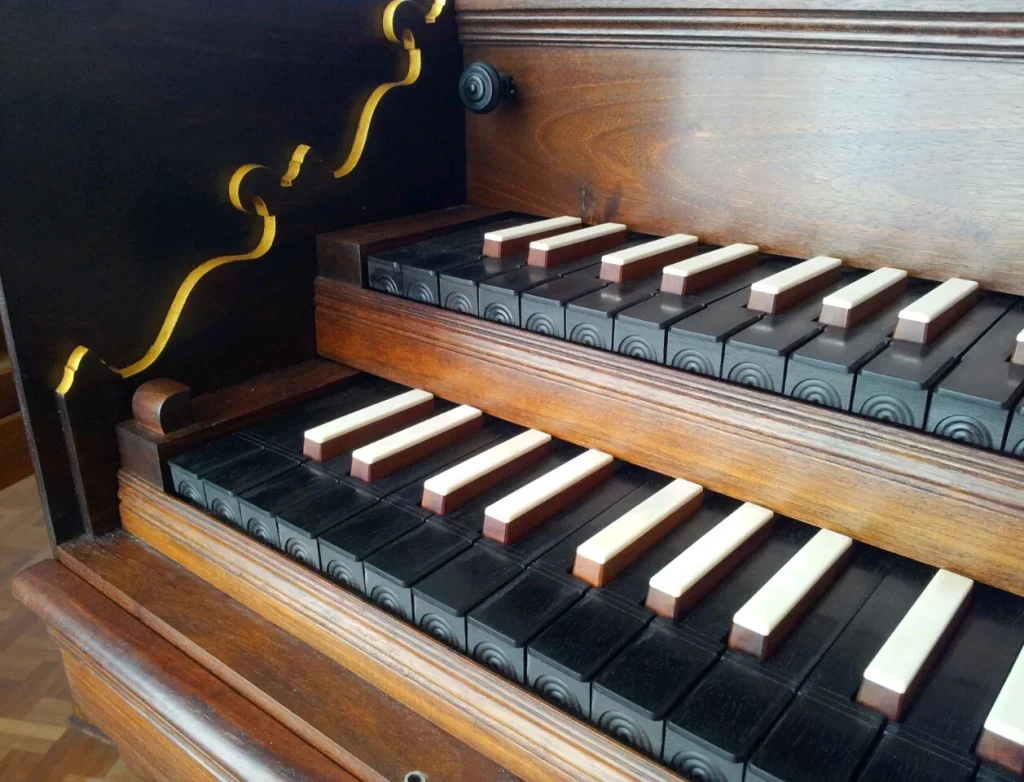
In this article, we explore the lesser-known instruments and forgotten instruments of classical music. These historical instruments, including the cabrette, serpent, ophicleide and flugelhorn, have largely been forgotten, but are now returning to orchestras. We examine their history, their unique sounds and their place in classical music.
Renewed interest in historical instruments
Since the 1950s, musicians have begun rediscovering historical instruments, particularly in Baroque music. This period saw growing interest in historical authenticity, prompting the search for faithful reproductions of original instruments. As a result, instruments once forgotten are now used in performances, allowing listeners to appreciate classical music as it was played when it was created.
This approach of playing authentic instruments also extends to other musical eras, such as the Romantic period. Musicians seek out rare instruments that were popular at the time but were later eclipsed by more modern models. The violoncello d’amore, for example, belongs to this category. Thanks to their rediscovery, audiences can once again appreciate the rich sound and musical qualities of these unique instruments.
The market for historical instruments is also growing considerably, particularly for instruments from the eighteenth and nineteenth centuries. Collectors and musicians are willing to invest substantial sums to acquire rare instruments in good condition. This has driven up prices, putting these instruments increasingly out of reach for many enthusiasts. Nevertheless, the trend reflects growing interest in these forgotten instruments and greater recognition of their historical and musical value.
Against this backdrop, many renowned musicians have incorporated historical instruments into their work, contributing to their growing popularity. In concert halls, recordings and festivals, these forgotten instruments of classical music have found a place and bring distinctive depth and authenticity to performances. By rediscovering them, musicians and audiences reconnect with a bygone musical era and see its heritage in a new light.
Forgotten instruments at auction
The market for historical instruments is particularly active and has attracted an increasingly diverse audience in recent years. Music lovers and collectors are taking a greater interest in rare instruments that have been forgotten, helping to drive up auction prices. Once consigned to the margins of history, these instruments are now sought after for their historical value and unique sounds.
The HALARY natural horn is an example of a forgotten instrument that can fetch a high price at auction. Used mainly in the nineteenth century, this horn has a warm, powerful sound that sets it apart from modern horns. Collectors and musicians are eager to rediscover it, making it a coveted item on the auction market.
Historical instruments have the power to connect us with history and remind us of classical music’s roots. They have a unique spirit and character that distinguish them from modern instruments. By rediscovering them, we broaden our understanding of music and preserve a valuable heritage.
Upcoming auctions
Here is an overview of some forgotten instruments that will soon be offered at auction:
| Instrument | Description | Estimated price |
|---|---|---|
| KOHLER three-valve cornet | Brass wind instrument with three valves, popular in the nineteenth century | Estimated at €5,000 to €7,000 |
| Slide trombone | Slide instrument used in Baroque music | Estimated at €8,000 to €10,000 |
| Wooden transverse flute | Wooden wind instrument used in the Classical period | Estimated at €20,000 to €25,000 |
These instruments testify to growing interest in the sounds of the past and give musicians and collectors the chance to own and play genuine pieces of history. The market for historical instruments continues to thrive, a sign that enthusiasm for these forgotten instruments is stronger than ever.
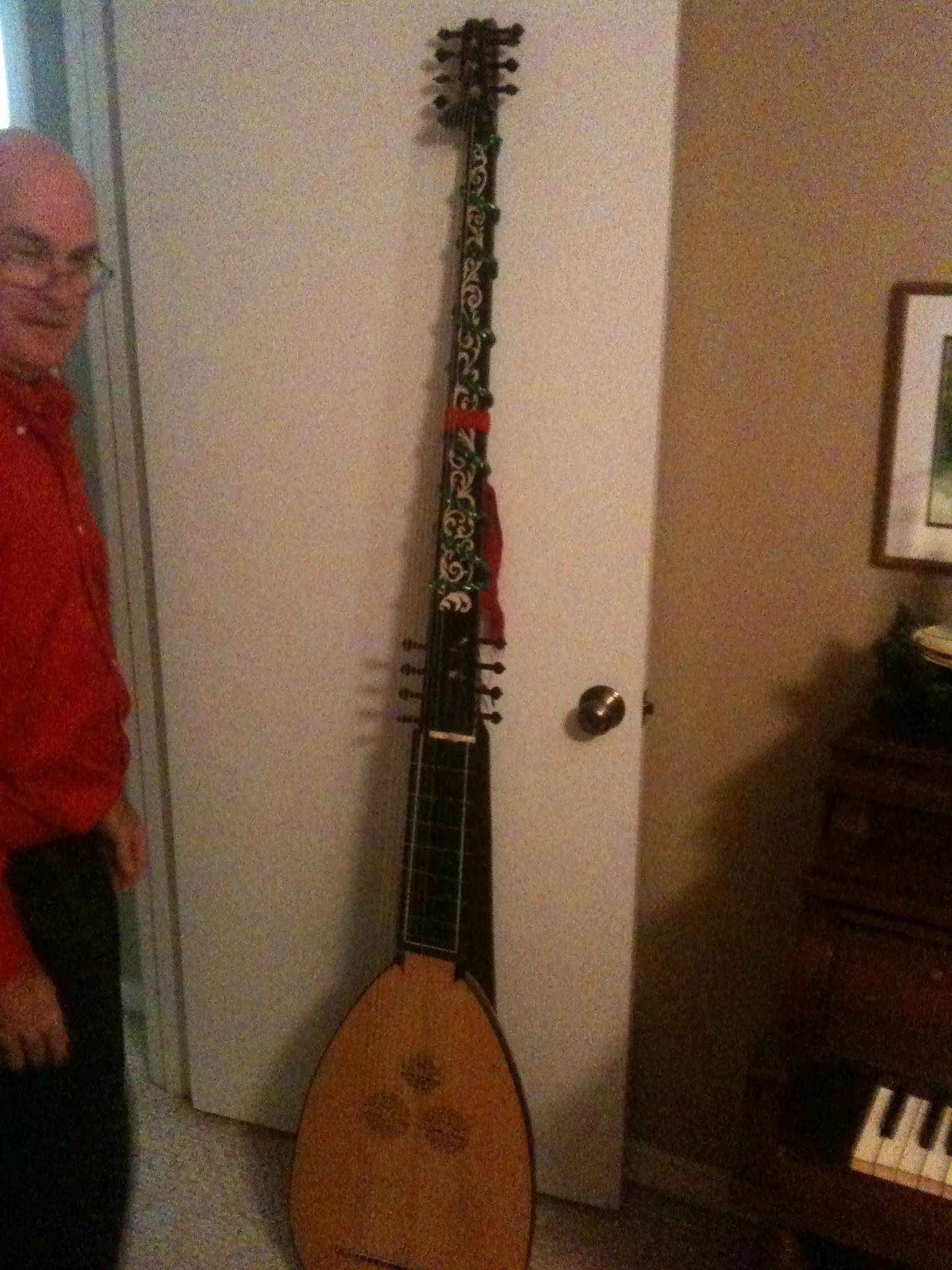
In short, the auction market has become a place where forgotten instruments find new life and are appreciated once again. Collectors, musicians and music lovers come together to preserve and rediscover these treasures of the past, securing their place in the history of classical music.
The rediscovery of the serpent and ophicleide
Among the forgotten instruments of classical music now being rediscovered is the serpent. This S-shaped wind instrument was popular in the seventeenth century for accompanying church choirs and military songs. Its distinctive timbre and range gave it a special place in the orchestra of its day. Over time, however, the serpent was replaced by the ophicleide, a metal instrument fitted with keys that allowed more precise playing.
With renewed interest in historical instruments, the serpent and ophicleide are gradually finding a place in contemporary classical music. Musicians are rediscovering the distinctive sounds of these forgotten instruments and exploring their roles in various compositions. Although their use remains relatively limited, they lend music a particular colour and arouse the curiosity of musicians and listeners.
“The serpent and ophicleide are fascinating instruments that add a special colour to classical music. Their warm, enveloping sound adds unique depth and richness to the orchestra.” — Maestro Antoine Dupont
The serpent and ophicleide’s distinctive place among wind instruments
The appeal of these instruments lies in their unusual designs and sounds. The serpent, with its S shape and conical bore, produces a soft, rounded sound, while the ophicleide, with its metal body and keys, offers greater precision and stronger projection. They occupy a place between woodwinds, such as flutes and clarinets, and brass instruments, such as trombones and tubas.
The rediscovery of the serpent and ophicleide brings compositions written specifically for them back into the spotlight and opens up new sonic possibilities in contemporary music. Their distinctive sounds and unusual place among wind instruments make them appealing choices for musicians and composers seeking to add a historical dimension to their performances or compositions.
Other forgotten instruments and their recent popularity
Beyond the serpent and ophicleide, other rare and forgotten instruments are attracting renewed interest from musicians and collectors. One is the cabrette, a wind instrument used in the traditional music of Auvergne, France. Once overlooked, the cabrette is now being rediscovered and appreciated for its distinctive timbre and authentic sound. Musicians are drawn to its ability to express deep emotions and create a warm, welcoming atmosphere.
Other rare instruments are also enjoying renewed interest. The historical bassoon, for example, is a woodwind instrument that was widely used until the nineteenth century before gradually giving way to the modern bassoon. Its rich, powerful sound makes it ideal for performing Baroque and Classical works. Similarly, the flugelhorn and valved cornet, brass instruments often used in brass bands and military bands, are regaining a place in classical music. These distinctive instruments add a new dimension to performances and draw admiration from music lovers and connoisseurs.
The growing popularity of these historical instruments reflects a desire to preserve and rediscover the sounds and techniques of the past. Musicians and collectors recognise the value of forgotten instruments and seek to bring them back to life. Through recordings, concerts and recitals, these rare instruments let listeners reconnect with history and immerse themselves in the sounds of bygone eras. Their recent popularity reflects the diversity and richness of classical music, as well as the curiosity and open-mindedness of music lovers.
Rediscovering forgotten instruments such as the cabrette, historical bassoon, flugelhorn and valved cornet enriches our understanding of classical music. It also lets us explore new sounds and reconnect with forgotten musical traditions. With their charm and distinctive character, these historical instruments continue to fascinate and inspire today’s musicians and listeners.
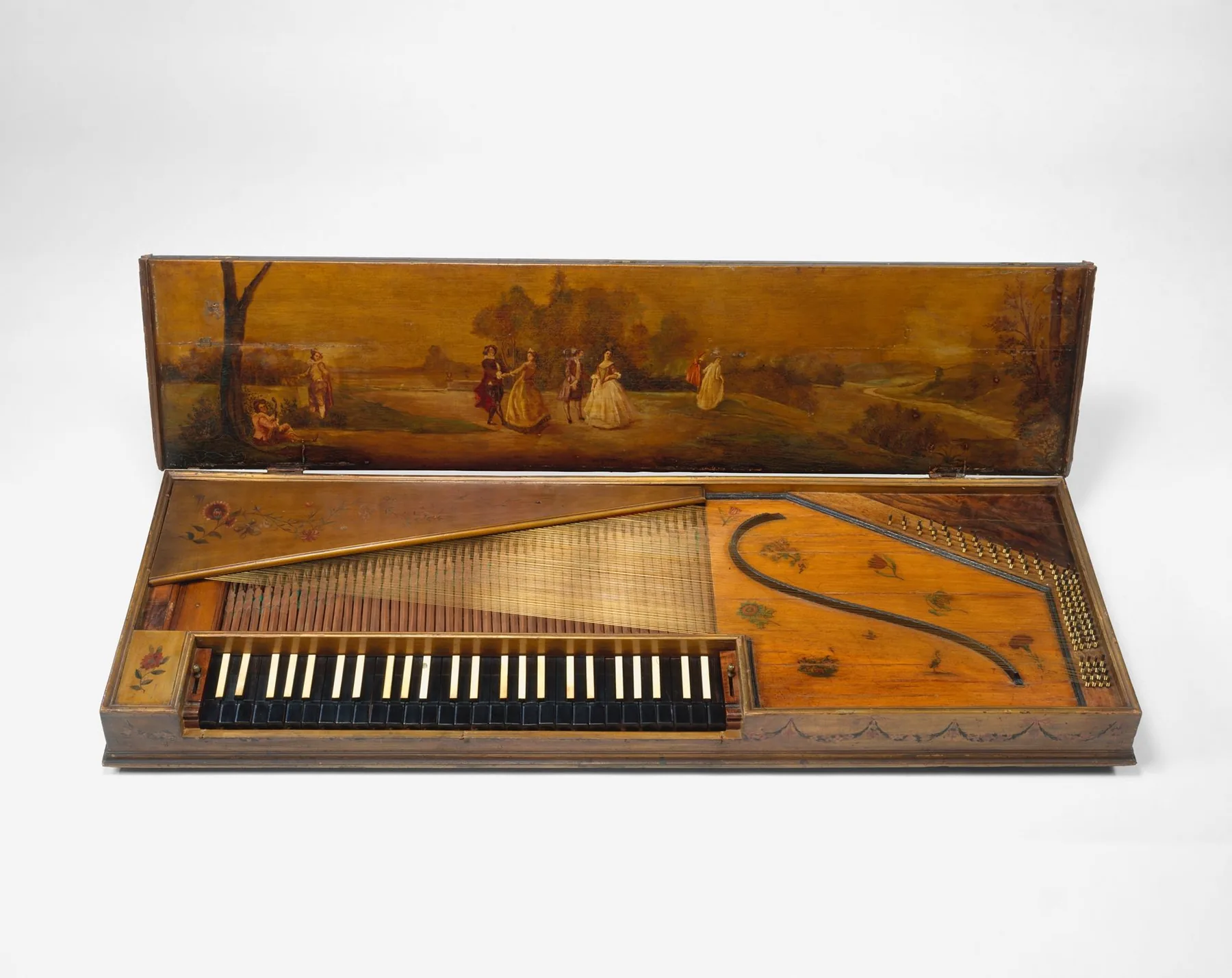
Table: forgotten instruments enjoying renewed interest
| Instrument | Characteristics | Uses |
|---|---|---|
| Cabrette | Traditional wind instrument from Auvergne with drones and a chanter | Traditional music, concerts, recordings |
| Historical bassoon | Woodwind instrument with a rich, powerful sound | Baroque and Classical music |
| Flugelhorn | Brass instrument with a soft, melancholy sound | Brass bands, orchestras, classical music |
| Valved cornet | Brass instrument with a bright, lively sound | Orchestras, brass bands, classical music and marches |
Conclusion
The forgotten instruments of classical music have fascinating histories and bring a distinctive dimension to music. Renewed interest in historical instruments offers new possibilities for musicians and collectors. Whether the cabrette, serpent, ophicleide, flugelhorn or bassoon, these rare instruments deserve to be rediscovered and appreciated for their distinctive sounds and their contribution to musical heritage.
By exploring these lesser-known instruments, we deepen our understanding of classical music and help preserve it for future generations. The market for historical instruments is growing rapidly, reflecting rising interest in these forgotten treasures. Renowned musicians are increasingly embracing this approach: they are rediscovering instruments forgotten by music history and incorporating them into their performances.
Rediscovering classical instruments expands our sonic and creative range, opening up new possibilities for performance and composition. Rare and forgotten instruments bring unique charm and depth to classical music, renewing interest in this world and its cultural heritage. Whether you are a musician, collector or simply a music enthusiast, taking time to rediscover these historical instruments can be a rewarding and inspiring experience.
FAQ
What are the lesser-known instruments of classical music?
The lesser-known instruments of classical music include the cabrette, serpent, ophicleide and flugelhorn.
What led to renewed interest in historical instruments?
Since the 1950s, musicians have begun rediscovering historical instruments, particularly in Baroque music. This later led them to explore Romantic music and music from other eras by playing original instruments.
What is the current state of the historical instrument market?
The market for historical instruments is booming, with prices for eighteenth- and nineteenth-century instruments steadily rising. Rare and forgotten instruments are increasingly sought after and fetch high prices at auction.
What roles have the serpent and ophicleide played in classical music?
The serpent was used to accompany church choirs and military songs in the seventeenth century, while the ophicleide, a metal instrument fitted with keys, replaced it in the nineteenth century and allowed more precise playing.
Which other forgotten instruments are regaining popularity?
Besides the serpent and ophicleide, the cabrette, historical bassoon, flugelhorn and valved cornet are other forgotten instruments gaining popularity and being rediscovered by musicians and collectors.
Sources
- https://www.southampton.ac.uk/humanities/news/2026/07/humanities-academic-helps-bring-forgotten-musical-masterpieces-back-to-life-.page
- https://www.theguardian.com/us-news/2025/feb/07/stradivarius-violin-auction-sale
- https://www.abc.net.au/news/2025-08-14/samuel-coleridge-taylor-a-black-composer-almost-lost-to-history/105637344