
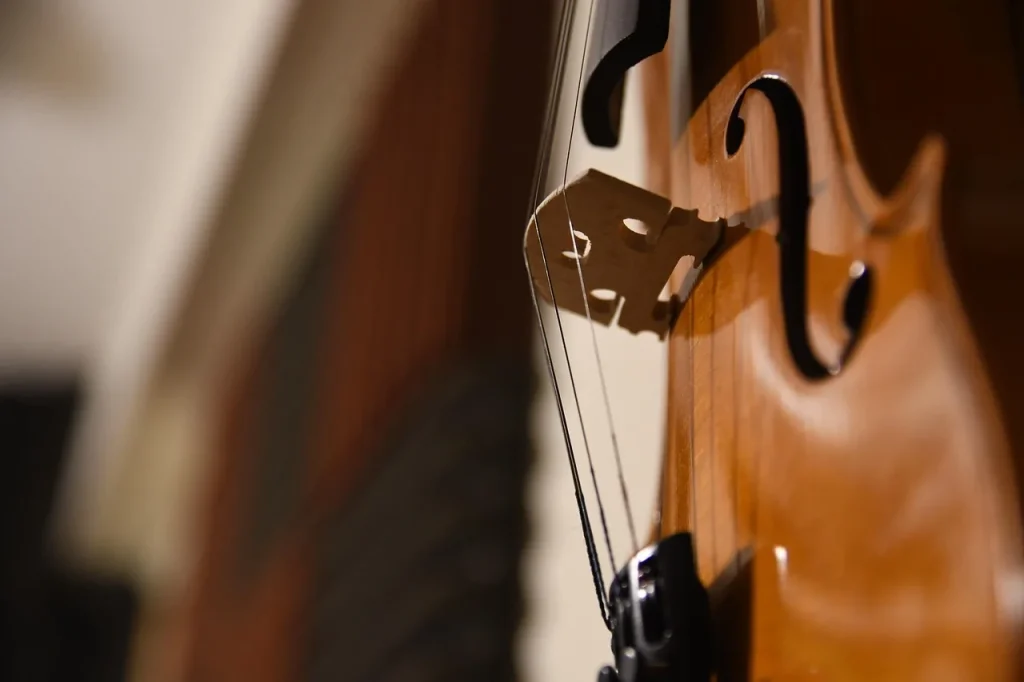
A symphony orchestra offers a wide variety of sounds. It consists of four main families: strings, woodwinds, brass and percussion. Each family plays a unique role in creating a varied range of sounds. Symphony orchestra instruments enhance melodies and give them emotional depth.
Strings, such as the violin and cello, are the soul of the orchestra. Woodwinds, including the oboe and clarinet, offer a gentle sound. Brass instruments, including trumpets and tubas, add power. Percussion instruments, such as timpani, add rhythm and texture.
This classification of the symphony orchestra helps explain the modern orchestra. It shows how the instrument families interact. A symphony orchestra is more than a group of musicians. It is a world of sound in which every instrument contributes to a collective work of exceptional beauty.
Composition of the symphony orchestra
The symphony orchestra consists of several instrument families. Each plays a unique role. Together, they create an incredible richness of sound.
The instrument families
Four instrument families predominate in the symphony orchestra:
- Strings: violins, violas, cellos and double basses.
- Woodwinds: oboes, clarinets, bassoons and flutes.
- Brass: trumpets, trombones, tuba and horn.
- Percussion: timpani, drums and other instruments played by striking.
The variety of instruments creates a unique sound texture. For example, a large orchestra may have more than a hundred musicians. This allows it to produce incomparable sounds.
Historical development of the orchestra
The development of the symphony orchestra has passed through several major stages. In the 16th century, Baroque ensembles included strings, brass, winds, percussion and a harpsichord. The Classical period saw the addition of trombones and clarinets.
The Romantic period enriched orchestration by incorporating more percussion and wind instruments. These changes reflect a search for balance and new sounds. For example, the first violins are placed on the left and the horns opposite the trumpets to improve acoustic balance.
The orchestra’s arrangement varies according to the period, musical style, acoustics and conductor’s preferences. The conductor plays a crucial role in coordinating the musicians.
Strings: the soul of the orchestra
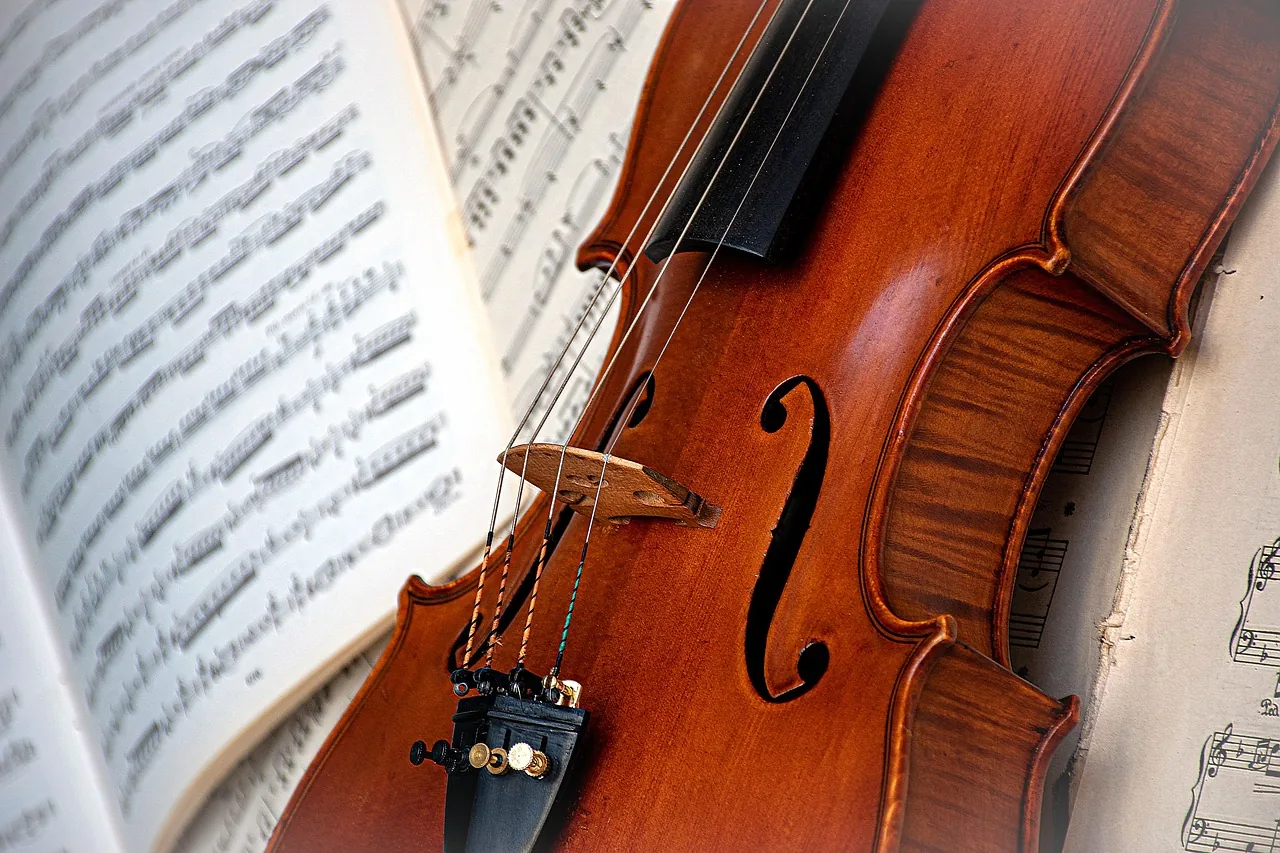
String instruments are at the heart of the symphony orchestra. This family includes violins, violas, cellos, double basses and the harp. Bowed or plucked strings produce beautiful sounds.
Bowed string instruments
Violins and cellos are essential to the orchestra. The violins are divided into first and second violins, which enriches the music. A string quartet, made up of two violins, a viola and a cello, explores various styles. For more information, see this dedicated page.
The role and placement of strings in the orchestra
Strings do more than carry the melody. They provide harmony and create unique atmospheres. Their semicircular arrangement helps the musicians see and hear one another.
With 16 first violins and 14 second violins, each instrument contributes to the orchestra’s harmony.
Woodwinds: gentle harmony
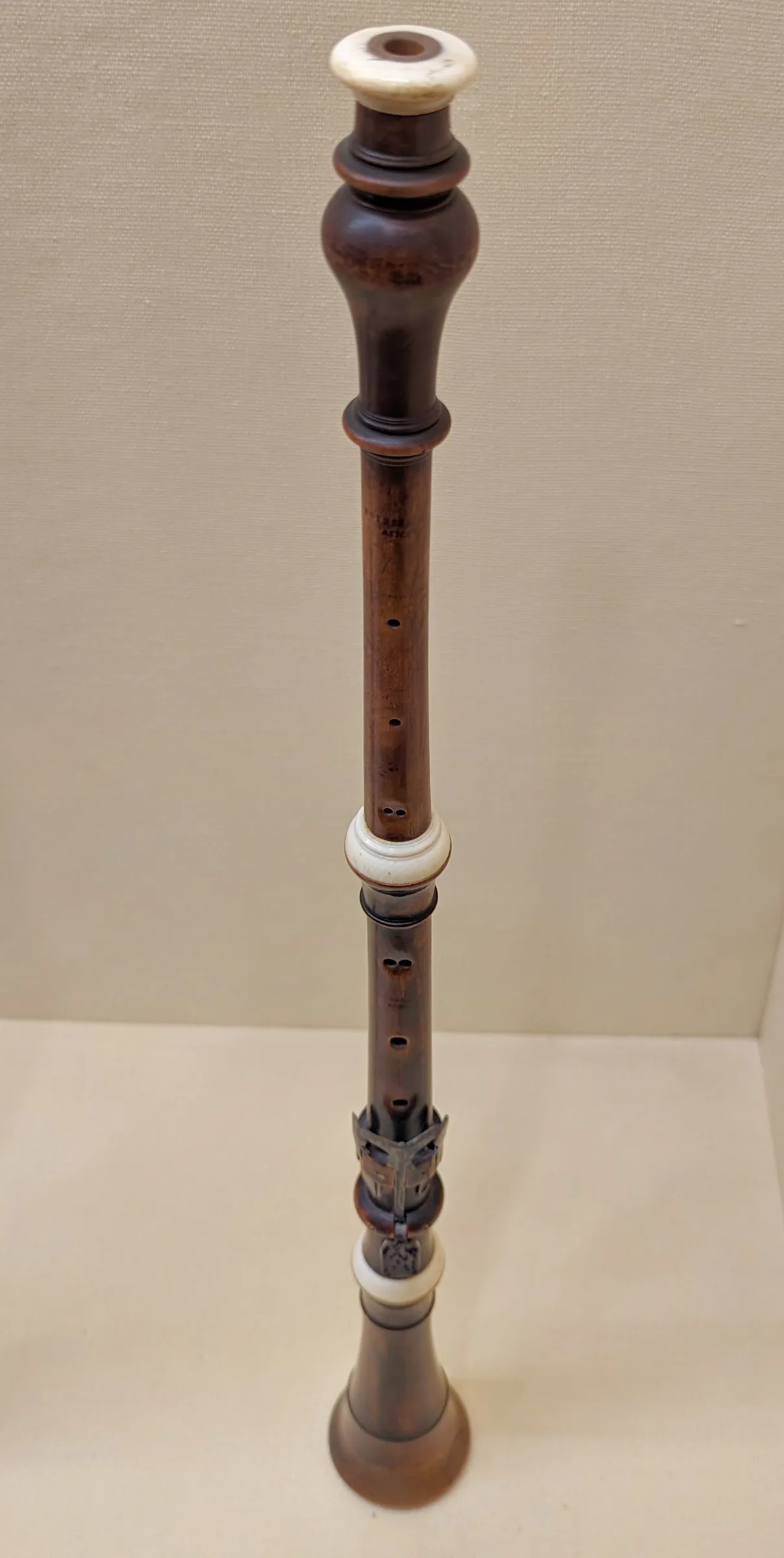
The woodwind family includes instruments such as the flute, oboe, clarinet and bassoon. These woodwind instruments play a crucial role in an orchestra’s harmony. They bring a distinctive sound to compositions. Depending on the music, their section ranges from two to more than twenty musicians.
Each musician plays a distinct part, making the performance rich and complex. This differs from the strings, where several musicians play the same part.
Classification of woodwind instruments
The classification of woodwinds is based on how they produce sound. Oboes and bassoons, for example, are highly expressive. Flutes and clarinets, by contrast, have lighter tones.
The Hornbostel–Sachs system places the flute under code 421.121.12 and the French horn under code 423.232. These codes illustrate the diversity of instruments in the orchestra.
The importance of woodwinds in orchestration
The importance of woodwinds in orchestration is clear. They balance the sounds of the other sections. Their position behind the strings helps create a gentle texture.
Woodwinds add valuable nuances to orchestral works. They bring gentleness and depth. Concert bands, for example, use these instruments to achieve a balanced sound. To learn more, read this article about concert bands.
| Instrument | Type | Classification |
|---|---|---|
| Flute | Aerophone | 421.121.12 |
| Oboe | Aerophone | 422.112.12 |
| Clarinet | Aerophone | 421.121.2 |
| Bassoon | Aerophone | 422.121.12 |
What are the 4 instrument families in a symphony orchestra?
In a symphony orchestra, four instrument families are essential. Each brings a distinctive sound that contributes to the richness and variety of orchestral music. Here is an overview of the differences between these groups.
Summary of the families and their main differences
The four instrument families of a symphony orchestra are:
- Strings: these include instruments such as the violin and double bass. They form the orchestra’s foundation, with 12 to 30 musicians.
- Woodwinds: these include instruments such as the oboe. They add texture and a delicate sound, with 2 to 20 musicians.
- Brass: these include instruments such as trumpets. They provide great volume, with 2 to 8 musicians.
- Percussion: these include instruments such as cymbals. They add rhythm and sound effects, with 3 groups.
The differences between these families are essential to orchestral performance. Each plays a particular role and, together, they create a captivating harmony.
Conclusion
The four instrument families of a symphony orchestra are strings, woodwinds, brass and percussion. Each brings a distinctive sound that enriches orchestral music.
Plucked strings, such as the guitar, offer varied sounds. Percussion instruments, such as the drum, add rhythm. Together, they create a great richness of sound.
The diversity of instruments allows composers to create unique works. They often draw inspiration from instruments from non-Western cultures. Understanding each instrument family helps us appreciate the orchestra.
Musicians bring their instruments to life. They create a dialogue between the person and the musical instrument, making the music vivid and moving.
To learn more, see this page about percussion in the orchestra. Every instrument family plays a key role. Together, they offer audiences a profound and moving musical experience.