

Buying a piano is an important step for most people with a deep interest in music. Learning to play this instrument can help you explore the subtleties of melody and harmony. But choosing between a digital piano and an acoustic piano can be confusing. Each has distinct characteristics suited to different needs. Understanding how the two types of piano differ is essential to making an informed choice. Here are the main differences to consider before you buy.
Two entirely different designs
The differences between digital and acoustic pianos begin with their design. They work differently and have different structures. To understand what this means in practice, it helps to examine three main aspects:
- How they produce sound;
- The materials they use;
- The technology they include.
How they produce sound
A digital piano produces sound using prerecorded samples of acoustic pianos. Electronic circuits and speakers play back the recorded notes. The pianist can, of course, shape how they sound.
An acoustic piano, by contrast, produces sound when hammers strike tensioned strings and make them vibrate. A soundboard amplifies those vibrations and gives the piano its rich sound. The result is more natural than the sound of a digital piano.
Tailored private lessons can be an excellent way to explore these subtleties and discover which type of piano best suits your needs. Platforms such as Superprof connect students with specialist teachers, helping you learn to play and understand either instrument, whatever your level.
The materials used
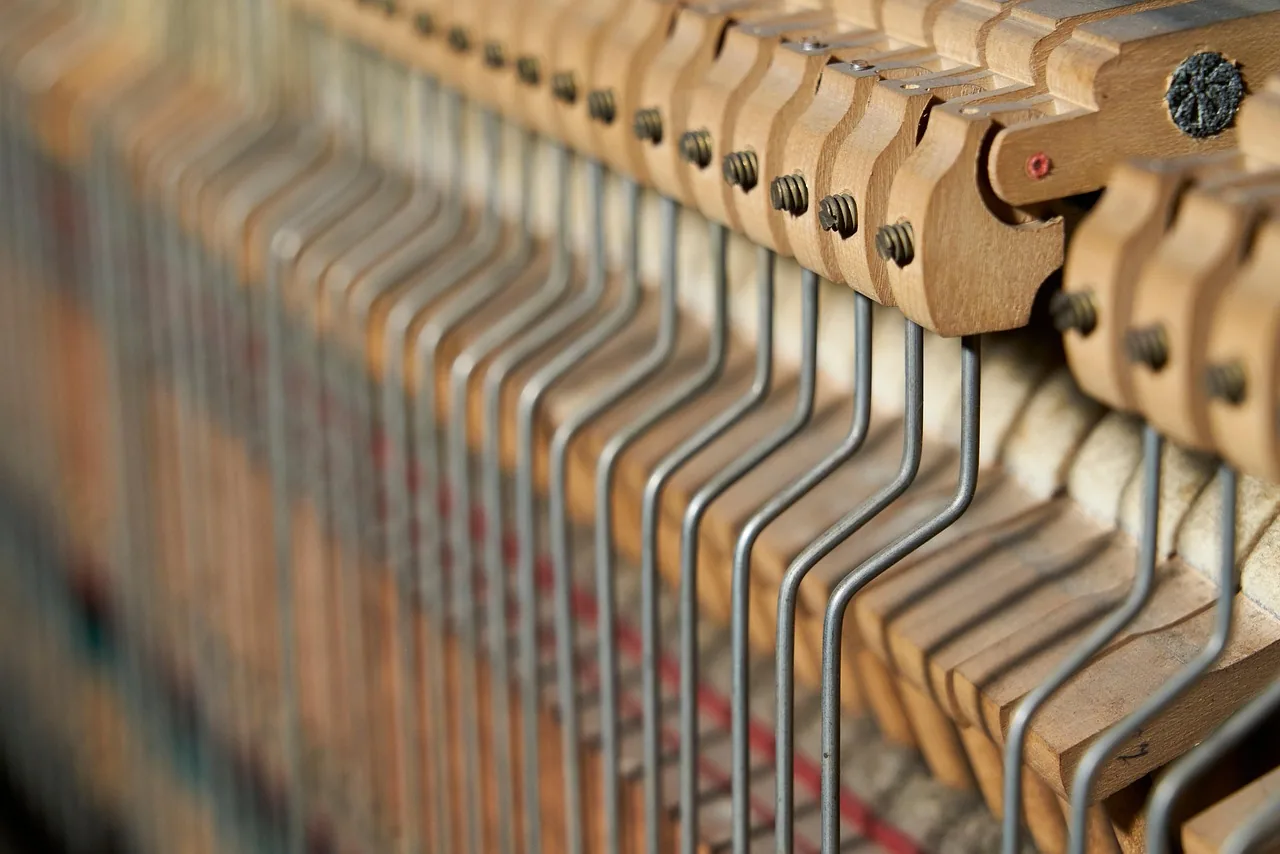
One of the main aims in designing a digital piano is to make it light and portable. It is therefore built with plastic and electronic components that help achieve this. An acoustic piano, meanwhile, is made from solid wood and metal, giving it a sturdy, durable construction.
Built-in technology
A digital piano often includes technology features such as USB ports, Bluetooth connectivity and samples of other instruments. It is equipped for a range of modern uses. An acoustic piano is a mechanical instrument and has no built-in electronic technology.
Sound quality
Sound quality is a decisive factor for any musician choosing a piano. Here, too, there are clear differences between digital and acoustic pianos.
The rich sound of an acoustic piano
An acoustic piano stands out for its ability to produce rich, complex sounds. Each keystroke creates unique vibrations that interact with the wooden soundboard. This produces a complex range of harmonics and a warm tone that are difficult to reproduce electronically. Subtle changes in how firmly the keys are played also allow for exceptional expression.
The versatility of a digital piano

Despite their limitations, modern digital pianos have improved considerably. They offer a wide variety of sounds, from traditional pianos to electronic keyboards. This versatility makes them well suited to musicians exploring different genres. Some models also let you adjust the volume or change the tone. These options are valuable for learning and recording. The right instrument therefore depends on the player’s goals.
Portability and space requirements
The physical differences between digital and acoustic pianos directly affect how easily they can be moved and where they can be placed. Acoustic pianos, especially grand pianos, are very large. They can weigh several hundred kilograms, making them difficult to move. They therefore need a dedicated space where they can remain securely installed.
An acoustic piano also needs a stable location to function well. Its condition and sound quality depend partly on its surroundings. Place it somewhere protected from changes in temperature and humidity to make maintenance easier and preserve its performance over time.
Digital pianos, on the other hand, are light and compact. They can be transported easily to concerts, lessons or rehearsals. Some portable models even fold up for storage. These features make them an ideal choice for musicians who travel frequently.
Maintenance and durability
Maintenance plays a key role in a piano’s lifespan. An acoustic piano needs regular tuning to stay in tune. Temperature and humidity must be monitored because they affect its wood and strings. A professional must also occasionally adjust its internal mechanisms.
Although digital pianos require little maintenance, they may have a shorter useful life because technology becomes outdated. Their electronic components can fail or become incompatible with newer software. This limitation may be less of a concern if the instrument has already provided good value over years of use.
Upfront and long-term costs

Finally, price is a deciding factor when choosing a piano. An acoustic piano is a substantial investment. Its higher initial cost reflects its build quality and durability. You also need to account for ongoing expenses, such as regular maintenance.
Digital pianos are generally more affordable. Their lower maintenance costs and accessible prices help explain their popularity with music enthusiasts. More expensive digital instruments are also available, depending on your budget. It all comes down to the additional features you want.
Even basic models offer learning tools such as illuminated key guides, metronomes and interactive lessons. These features make them particularly suitable for students and people teaching themselves. Some more expensive models can connect to a computer or tablet by USB or Bluetooth. This is especially useful for recording compositions or working on audio projects.