
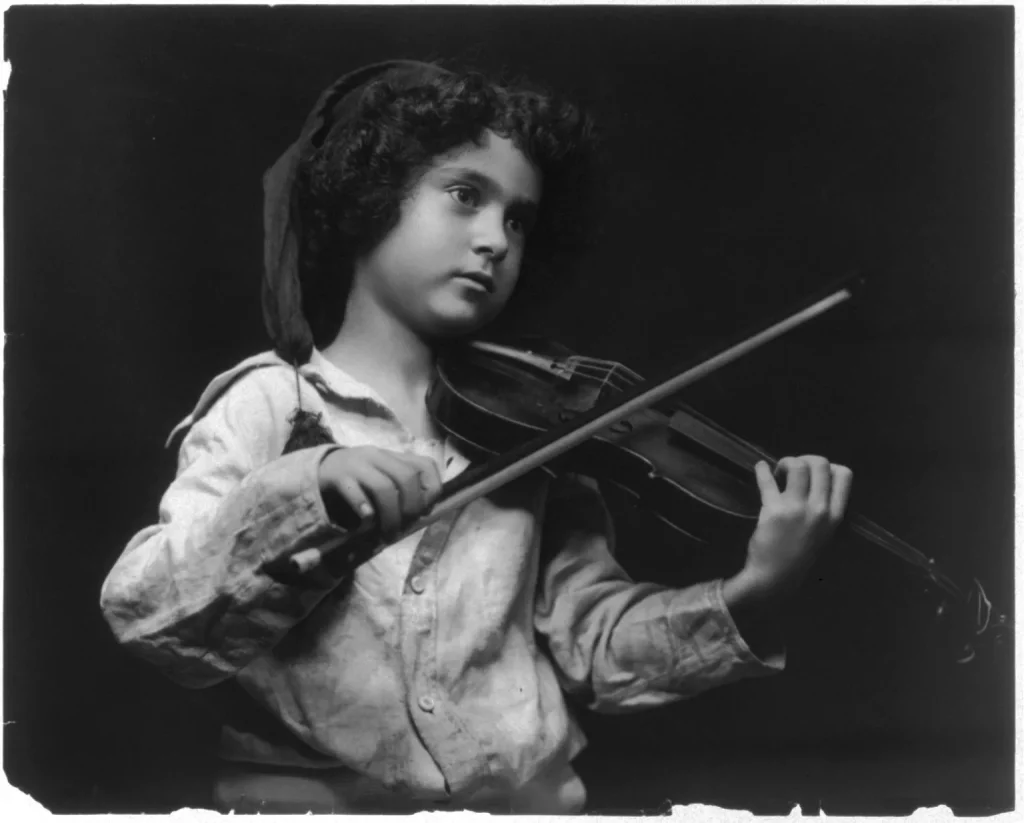
Child prodigies in classical music have always fascinated audiences. Composers and performers such as Wolfgang Amadeus Mozart and Ludwig van Beethoven showed exceptional musical talent from an early age. The history of Western classical music, however, includes many other child prodigies. Let us take a closer look at these talented young musicians and their paths to fame, shaped by their early abilities and musical education.
| Dexterity techniques | Description |
|---|---|
| Double stops | Paganini used double stops to produce rich, complex sounds by playing several violin strings at once. |
| Pizzicato | In addition to his mastery of the bow, Paganini excelled at pizzicato, producing percussive sounds by plucking the strings with his fingers. |
| Harmonics | He developed advanced harmonic techniques, creating clear, evocative sounds. |
| Trills | Paganini was renowned for his fast, virtuosic trills, which added intensity and brilliance to his performances. |
Fanny and Felix Mendelssohn
Fanny and Felix Mendelssohn were siblings. Both showed musical talent at an early age and left a lasting mark on classical music. Felix began composing complex works at the age of 10, while Fanny established herself as a virtuoso musician when she was still young. Their exceptional musical education played a major role in their development and gave them the foundations they needed to explore their creativity.
Unfortunately, because of the social conventions of the time, some of Fanny’s compositions were published under Felix’s name, limiting recognition of her talent. Even so, Fanny continued to compose and perform music with passion. Felix, meanwhile, achieved considerable success as a composer and was hailed as one of the greatest of his era.
“Music is a universal language that allows us to express our emotions and communicate with others in a unique way. We were fortunate to receive an exceptional musical education and to share our passion with the world.”
Fanny and Felix undoubtedly influenced each other. They supported one another throughout their musical journeys and inspired each other. Their close sibling relationship strengthened their artistic bond and helped give rise to new musical ideas and innovations. Their collaboration also produced joint compositions that enriched the musical legacy of their time.
The musical legacy of Fanny and Felix Mendelssohn
The music of Fanny and Felix Mendelssohn continues to be enjoyed and studied today. Their compositions reflect deep artistic sensitivity and remarkable technical mastery. Their music often features lyrical melodies, rich harmonies and great expressiveness. As young classical music prodigies, Fanny and Felix left a lasting legacy and inspired many musicians and composers.
| Composition | Date |
|---|---|
| Songs Without Words, Op. 19b | 1830 |
| Octet in E-flat Major, Op. 20 | 1825 |
| Elijah, Op. 70 | 1846 |
Frédéric Chopin: Piano Virtuosity in Aristocratic Salons
Frédéric Chopin, the celebrated Polish composer and pianist, is known for his exceptional talent at the piano. Chopin began studying the piano at the age of six and soon showed remarkable ability. His passion for music and dedication to the art of the piano brought him onto the musical stage while he was still young.
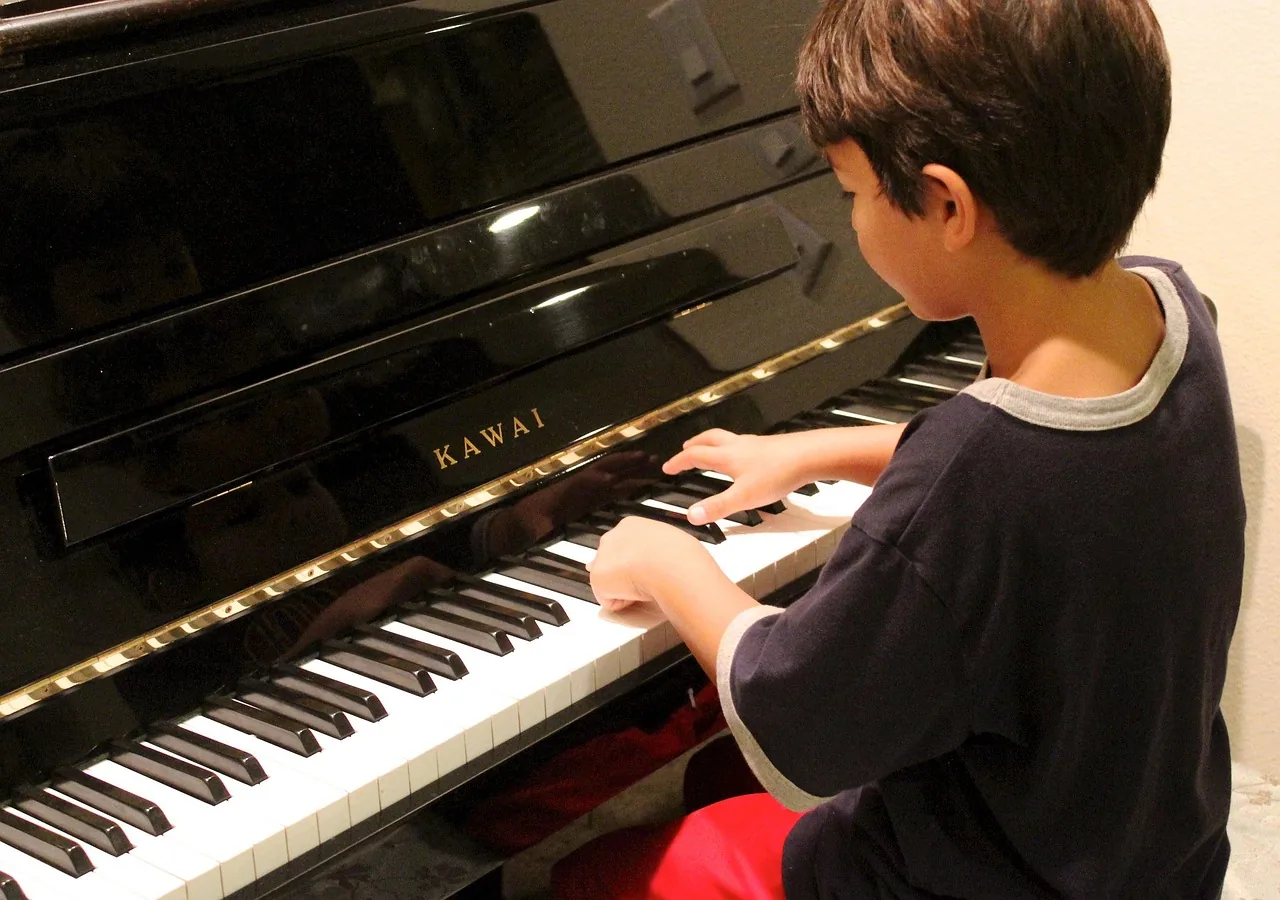
The salons of the Polish aristocracy played an important role in Chopin’s career. These elegant, refined gatherings were favored settings for high-level musical performances. Chopin performed there many times, captivating audiences with his virtuosity and expressive piano playing. His compositions, filled with sensitivity and deep emotion, won the admiration of listeners.
Aristocratic salons as a springboard for Chopin’s fame
Chopin’s appearances in aristocratic salons brought him essential visibility and recognition in musical circles. These prestigious venues attracted influential figures and patrons, allowing him to make valuable contacts and secure opportunities to perform in concert. By playing for knowledgeable and enthusiastic audiences, Chopin was able to perfect his art and refine his distinctive musical style.
“The piano is not simply an instrument; it is an extension of my soul.” — Frédéric Chopin
Chopin also composed many works that were played at these social gatherings. His nocturnes, waltzes and études were especially appreciated for their melodic beauty and technical demands. The influence of aristocratic salons can be heard in Chopin’s compositions, which captivated audiences while retaining great artistic sophistication.
An undeniable contribution to classical music
Frédéric Chopin left a lasting legacy in the history of classical music. His innovative piano technique, artistic sensitivity and mastery of emotional expression greatly influenced the development of Romantic music. His compositions continue to be studied and performed by pianists around the world, reflecting the importance of his work to classical music.
| Major compositions by Frédéric Chopin | Years of composition |
|---|---|
| Nocturnes | 1830-1846 |
| Ballades | 1835-1842 |
| Preludes | 1835-1839 |
| Polonaises | 1826-1846 |
| Études | 1829-1841 |
Frédéric Chopin’s music continues to delight classical music lovers. He remains one of the great masters of the piano and of composition.
Conclusion
Young classical music prodigies shaped music history through their early talent and exceptional musical education. These child prodigies displayed extraordinary musical abilities from a young age and left a lasting legacy. Their contribution to Western classical music is invaluable and continues to inspire future generations.
The stories of Henry Purcell, Niccolò Paganini, Fanny and Felix Mendelssohn and Frédéric Chopin remind us that young musicians can achieve remarkable things. Their love of classical music, dedication to learning and practice were key to their early success.
These young prodigies also benefited from a strong musical education, which helped them develop their talent and hone their skills. The importance of early musical education cannot be overstated: it provides an essential foundation for talented young musicians to grow and flourish.
In conclusion, we celebrate young classical music prodigies for their early talent and dedication to music. Their remarkable achievements testify to the beauty and power of classical music, and we hope they will continue to inspire young musicians around the world.
FAQ
Who are the child prodigies of classical music?
Classical music child prodigies are talented musicians who display exceptional musical abilities from an early age.
Who are the most famous classical music child prodigies?
Among the most famous classical music child prodigies are Wolfgang Amadeus Mozart, Ludwig van Beethoven and Henry Purcell.
At what age did they begin their musical education?
Classical music child prodigies often began their musical education very young, some as early as age five.
What dexterity techniques did classical music child prodigies develop?
Some child prodigies, such as Niccolò Paganini, developed remarkable dexterity techniques on their instruments, including fast playing and innovative string techniques.
How did musical education contribute to the development of classical music child prodigies?
Exceptional musical education, combined with early talent, played an essential role in the musical development of classical music child prodigies. It enabled them to explore and refine their abilities.
What legacy did classical music child prodigies leave?
Classical music child prodigies left a lasting musical legacy. Their compositions and talent continue to inspire later generations and enrich the repertoire of Western classical music.